Adam Mosseri said Instagram struggled for years to get teens to use 'Take a Break'
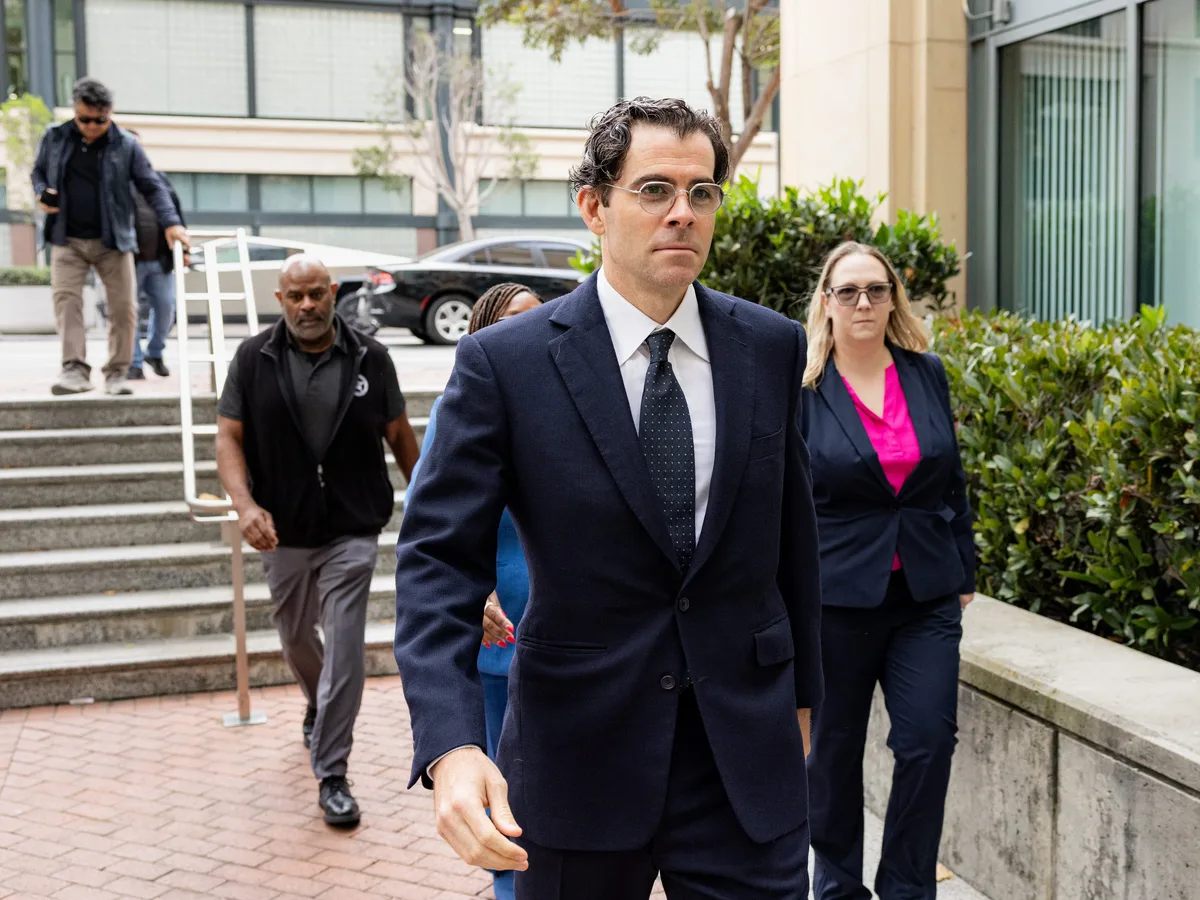
Adam Mosseri, the head of Instagram, testified that the app struggled for years to get teens to use its Take a Break well-being feature.
Bloomberg/Getty Images Mosseri said Instagram struggled for years to get teens to use its Take a Break well-being feature.
Instagram touted a 90% retention rate for Take a Break but omitted its 1.8% activation rate.
Meta faces a high-stakes trial in Oakland over whether its platforms cause harm to teens.
The head of Instagram said the company spent years trying to persuade teens to " take a break ." Adam Mosseri testified Tuesday on the witness stand in Meta's social media addiction trial in Oakland that relatively few teens initially opted into "Take a Break," a well-being feature designed to encourage users to step away from the app after a set amount of scrolling.
"Most people don't turn it on, but I don't think we knew that yet because this was still under development," Mosseri told the jury.
"Actually, we found out that a lot of people didn't turn it on, and we've had to make a lot of changes over the last few years in order to have it be more adopted.
This was back in 2021." Mosseri said Instagram first tried showing teens notifications encouraging them to activate the reminders.
The strategy produced some improvement, he said, but fell well short of the company's expectations.
"It started very low.
We started trying to do those notifications, encouraging teens to turn it on themselves," Mosseri said.
"That helped, but not nearly as much as we had hoped.
And then we eventually made it on by default as part of Teen Accounts ." A coalition of attorneys general, led by California Attorney General Rob Bonta, has accused Meta of exploiting young users for profit by designing its platforms to keep them hooked.
The states also allege that Meta violated children's privacy protections and misled the public about the platforms' safety.
5News aggregated this summary from the outlet’s public feed. The full article, with all the context, is on www.businessinsider.com — the content belongs to Business Insider.