The most sympathetic case for NIMBYism is still wrong
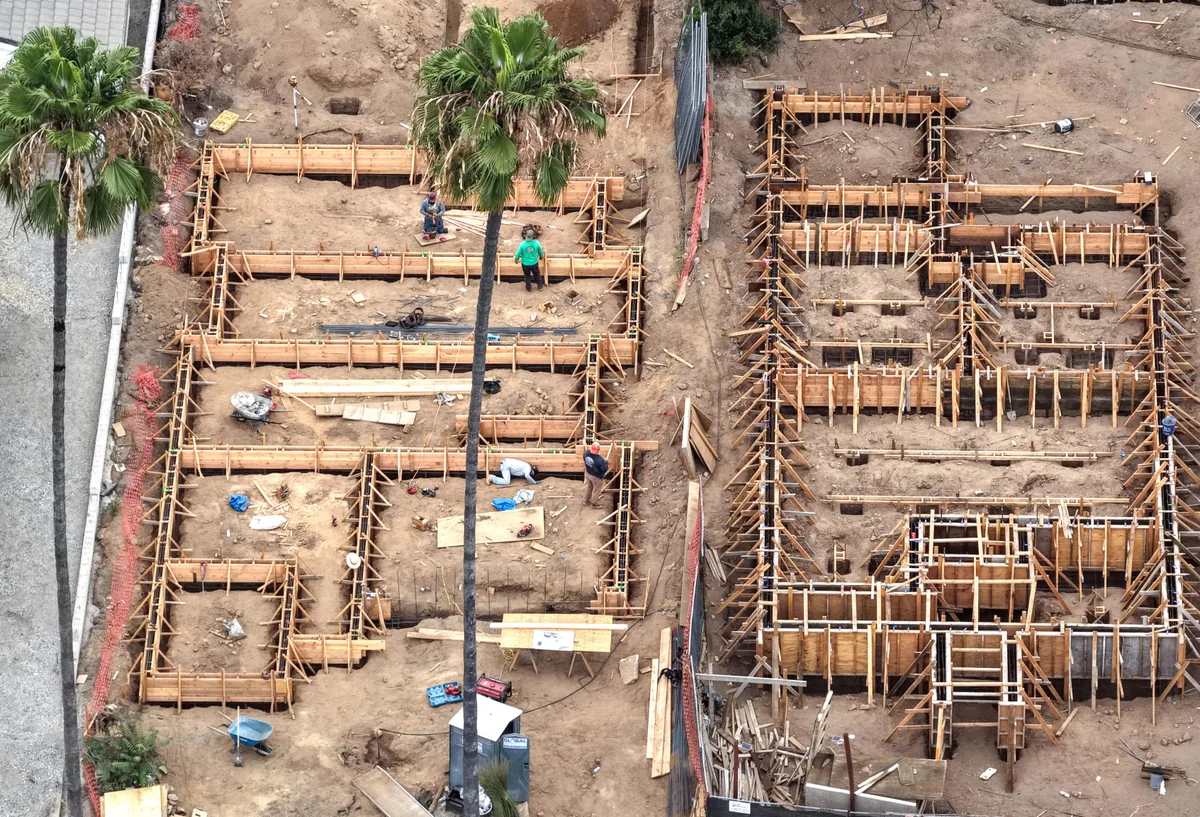
Homes being rebuilt in Altadena. | Mario Tama/Getty Images A natural disaster can do in one day what decades of public zoning fights cannot: Erase entire neighborhoods and force thousands of decisions, all at once, about what will replace them.
That’s the question now — still — hanging over Altadena, the Pacific Palisades, and other Los Angeles-area communities that burned in the catastrophic January 2025 wildfires.
More than a year and a half later, rebuilding remains painfully slow .
All this is unfolding in a region already desperately short of homes, with one of the most expensive housing markets in America.
Now, California’s legislature is set to vote on a law bowing to local anti-density pressure that could make that all the worse, and set an ominous precedent for housing affordability.
This is, on one level, a regional story about a fire-traumatized community trying to get back on its feet and shape its future, but it reflects something much larger, too.
It highlights the kind of zero-sum politics increasingly pervasive nationwide, that casts ordinary homebuilding as something sinister, and that elevates local control above all else.
These instincts help explain why it’s become so hard for the US to build the things we need, and why the fight for affordable, abundant housing remains so fraught, in California and nationwide.
The roots of this dispute go back well before the fires.
For the better part of a decade, California has been trying to solve one of the central contradictions driving our national housing shortage: Almost everyone agrees that the country needs more homes, yet almost everyone has a reason they should go somewhere else.
The state has passed laws weakening exclusionary zoning , legalizing denser “missing middle” housing, and taking some housing decisions out of the hands of local governments that refuse to permit enough homes.
That push included, in 2021, a now-famous statewide law, Senate Bill 9, which overrode local zoning to enable homeowners statewide to build up to four housing units on their lots.
Another pair of laws, SB 684 and a subsequent expansion, SB 1123, made it possible to subdivide vacant lots zoned for single-family houses and build up to 10 smaller homes on them.
The 2025 fires are now testing California’s pro-housing progress.
5News aggregated this summary from the outlet’s public feed. The full article, with all the context, is on www.vox.com — the content belongs to Vox.