A Field Guide to Carrie Whites
In 1974, Stephen King published his first book, Carrie . In 1976, it became his first novel to get a screen adaptation . Five decades later we have nearly as many King-inspired movies and TV shows as we do actual King stories, especially considering that so many of them have been adapted multiple times.
Carrie is one of King’s most enduring works. It’s already become two feature films and a made-for-TV movie. The notorious Broadway musical it inspired later attained cult-beloved status and spawned multiple parodies. But one of its most high-profile spotlights is yet to come, in the form of Mike Flanagan’s eight-episode series for Prime Video. He’s a proven creator of potent horror tales, working again with one of his favorite authors, and it feels like 2026’s Carrie has the potential to be the best on-screen interpretation in 50 years.
But first, let’s look back at all the versions of Carrie White—high school misfit turned superpowered mass murderer—to hit big and small screens, and peek ahead at what’s next .
Brian De Palma hadn’t yet attained household name status when he took on Carrie , but the film’s success surely aided his ascension. Sissy Spacek and Piper Laurie earned Oscar nominations for their memorable turns as Carrie and Margaret White; the latter’s shrill, repeated cries of “They’re all gonna laugh at you” became so ingrained in pop culture they inspired an Adam Sandler comedy routine nearly 20 years later.
But it’s Spacek’s eerie performance that really lingers. She hardly resembles King’s physical description of the character (a “chunky girl with pimples” who’s compared to an ox, a pig, and “a fat, whiny bag of lard”), setting a standard that would continue throughout future depictions. But her Carrie does convey the weight of being constantly bullied by her classmates at school while also enduring physical and emotional abuse at home.
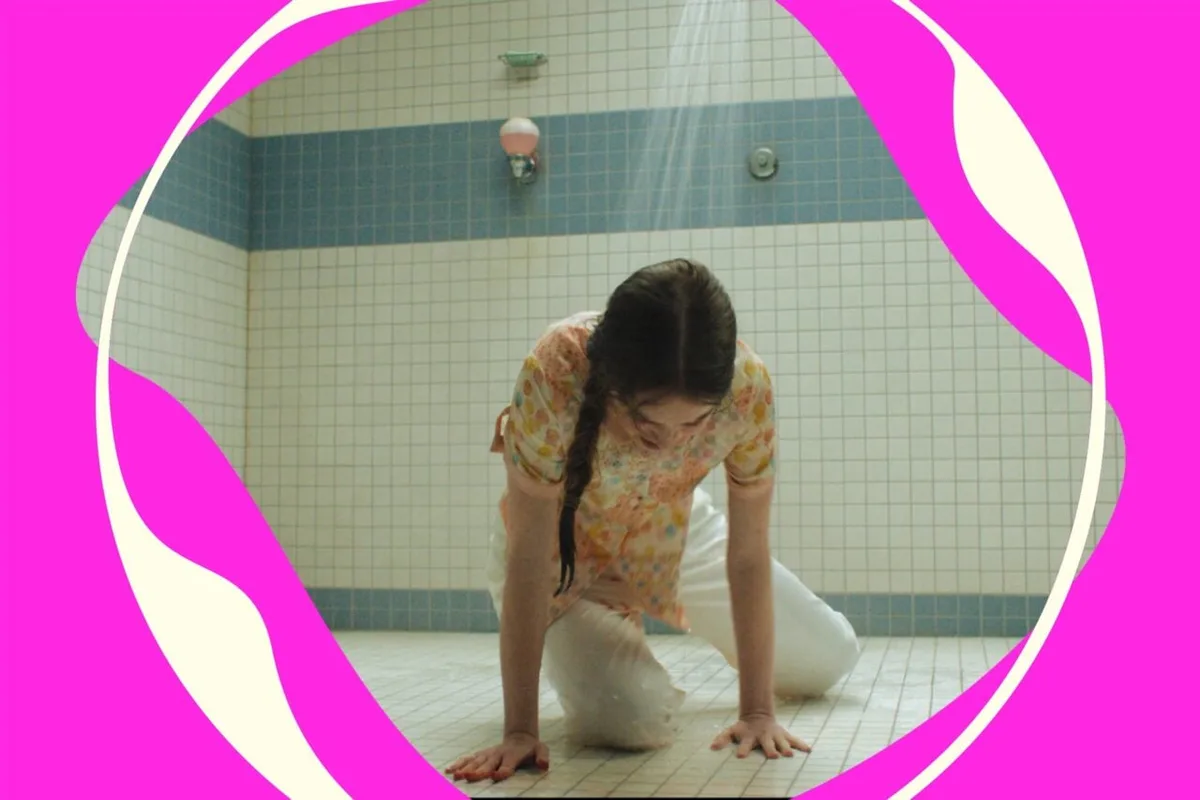
The movie begins with blood, as Carrie—a klutzy failure in gym class—gets her first period during the nudity-filled group shower scene. The humiliation of that moment as the other girls taunt her confused terror comes in stark contrast to Carrie’s dreamy ecstasy of soaping up under the water, a mood echoed later when Carrie allows herself to believe her golden moment of being crowned prom queen is genuine.
Of course, a lot more blood is about to ruin her naive delight, as the ultimate prank, dreamed up by the villainous Chris Hargensen, turns into tragedy for everyone caught up in Carrie’s psychic meltodown. It’s horrifying, but it’s so cathartic. We’ve been rooting for this childlike outcast as the blows start accumulating: the principal who repeatedly calls her “Cassie,” the teacher who makes fun of her for calling her future prom date Tommy Ross’ poem “beautiful,” the ever-present ugly graffiti (“Carrie White eats shit”), and the cruel glares and whispers that follow her down every hallway.
Her mother, whose religious fanaticism is elevated by mental illness, ensures there’s no comfort at home.
When Spacek’s Carrie starts to realize the strength of her powers, it helps her stand up to her mother and accept Tommy’s invitation to the dance.
5News aggregated this summary from the outlet’s public feed. The full article, with all the context, is on gizmodo.com — the content belongs to Gizmodo.