I’m a Princeton Student. The Story of Its Ties to Slavery and Exploitation Must Be Remembered
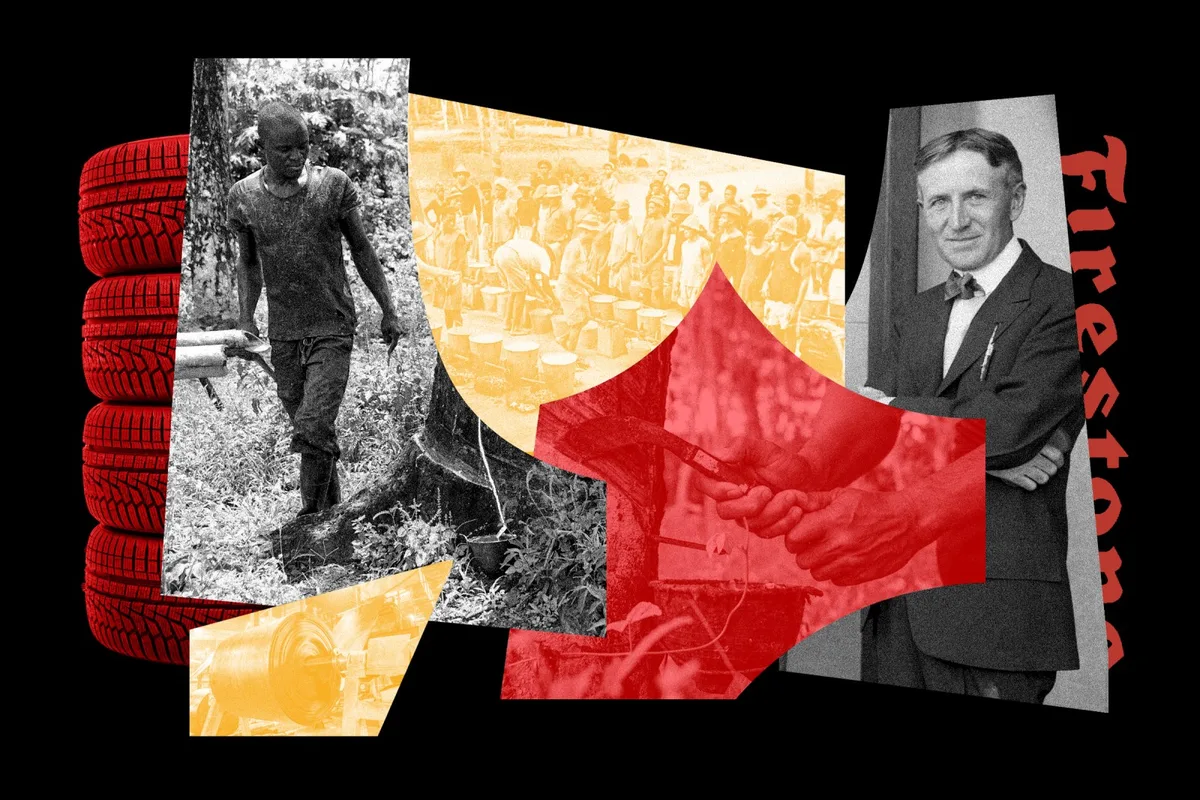
Editor’s note: This story is part of a special series by Princeton University journalism students reporting on the discovery of an African burial ground in Key West , Florida, and how the legacy of slavery still reverberates there and beyond.
I started this complicated story in my living room back home in Pennsylvania in the fall of 2023, staring at a giant tiger head on my computer screen, letting it sink in that I had just gotten into Princeton. I had a lot of emotions running through me, chiefly disbelief. Sure, it meant that the work I had put in during high school had paid off, but it wasn’t my work that meant the most to me. What my acceptance signified, more importantly, was that the struggle of my parents was showing some of its fruit.
My family had suffered enormously during the Liberian conflicts of the 1990s. I knew that I wanted to use my education to help Liberia and struggling nations like it, and I was ecstatic at the resources Princeton was offering me to do so. My parents were even more overjoyed, and not just because of the generous financial aid I would receive. When my father came to the United States after fleeing Liberia’s Second Civil War, he had an uphill battle toward raising a son he would send off to the U.S. News Number One-ranked university in the country — and another, younger one currently on track to surpass the first academically. I didn’t expect the opportunity, nor did I fully appreciate what I had gotten myself into.
DURING MY SOPHOMORE YEAR, as a fun extra, I enrolled in a journalism class. We would be reporting on a little known 19 th -century story of trafficked slaves who were emancipated and sent from Key West, Florida, to West Africa to live freely. Early on in the class, I was shocked to hear my professor mention Liberia as their final destination.
Ten weeks into the semester, the class met Dr. Artemus Gaye, a scholar and activist from Liberia’s capital, Monrovia. He had taken our professor to meet the descendants of those freed slaves, and now he was visiting our class to share their story, and others like it. He started off with a brief but emotional history of his life in Liberia. He then took us on a tour of Princeton’s grounds, which he was seeing for the first time as he spoke about its connections to Liberia. Editor’s picks The 250 Greatest Albums of the 21st Century So Far The 100 Best TV Episodes of All Time The 500 Greatest Albums of All Time 100 Best Movies of the 21st Century
First stop: Pyne Hall, where Dr. Gaye and his two cousins looked up at the looming, nearly 18-foot statue of John Witherspoon. The Princeton University President from 1768 to 1794, Witherspoon was revered for expanding the campus enormously, as well as for signing the Declaration of Independence. Witherspoon was also a source of controversy four years ago, when student activists protested the statue venerating the man who resisted emancipation in his day, holding two enslaved people himself.
5News aggregated this summary from the outlet’s public feed. The full article, with all the context, is on www.rollingstone.com — the content belongs to Rolling Stone.