Friday, October 9, 2026 SourcesAbout🌓
🇺🇸 US ▾
BREAKING
› Dominion still has pending lawsuits against election deniers such as Rudy Giuliani and Sidney Powell› Russia is 'going backwards' in equipment and deploying post WWII-era tanks, according to Western officials› Podcast: One country musician is calling for other artists to oppose assault rifles› Bidets save you money and reduce waste — we tested the best options out there› 50+ products to make your life easier and our planet cleaner› Mother's Day is around the corner. Here are 50+ thoughtful gifts she'll love› A head-to-toe guide of how men should dress this spring, and where they should shop› 42 of the most useful travel products you can buy on Amazon› The 7 best high-yield savings accounts of April 2023› Taxes are due tomorrow. Here's how to file for an extension› Dominion still has pending lawsuits against election deniers such as Rudy Giuliani and Sidney Powell› Russia is 'going backwards' in equipment and deploying post WWII-era tanks, according to Western officials› Podcast: One country musician is calling for other artists to oppose assault rifles› Bidets save you money and reduce waste — we tested the best options out there› 50+ products to make your life easier and our planet cleaner› Mother's Day is around the corner. Here are 50+ thoughtful gifts she'll love› A head-to-toe guide of how men should dress this spring, and where they should shop› 42 of the most useful travel products you can buy on Amazon› The 7 best high-yield savings accounts of April 2023› Taxes are due tomorrow. Here's how to file for an extension
Technology

Europe will go it alone on Venus mission after NASA yanks radar instrument
Ars Technica ·
Europe will go it alone on Venus mission after NASA yanks radar instrument

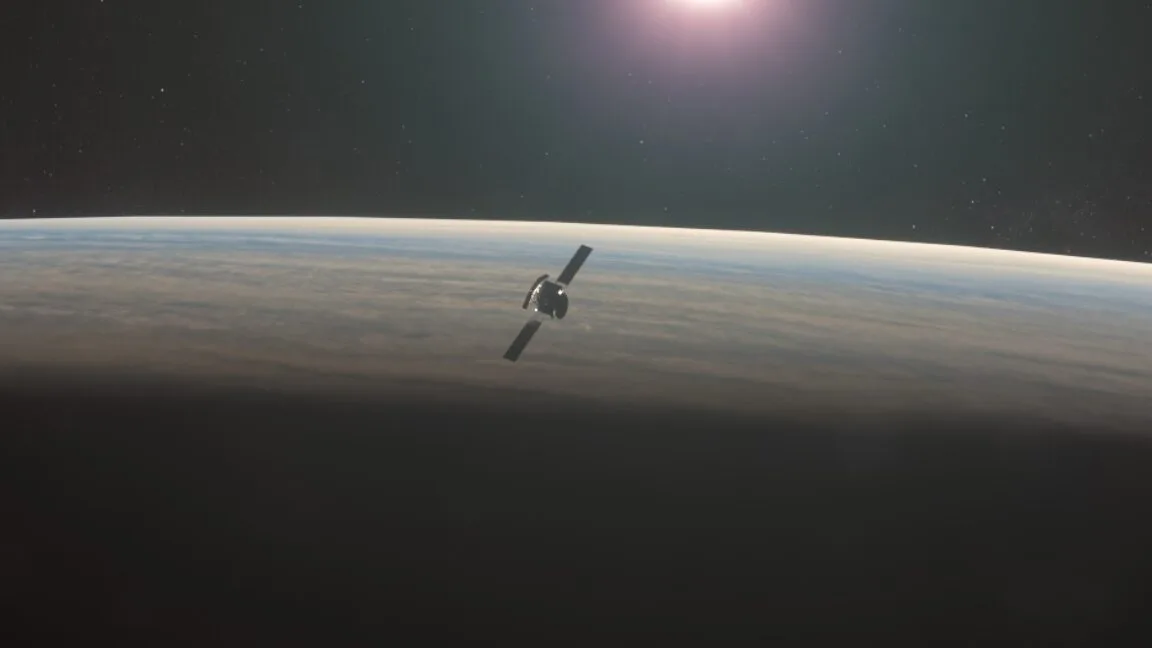
The European Space Agency is moving "full steam ahead" with development of a robotic mission to Venus after NASA officials determined they were unlikely to fulfill a commitment to provide a US-built radar instrument for the spacecraft, the mission's project scientist said.

The European orbiter, named Envision, will map the Venusian surface at 10 times higher resolution than the last radar mission sent to Venus by NASA in the 1990s.

The planet is enshrouded in a blanket of thick clouds of sulfuric acid, rendering its mysterious surface unseen by optical cameras in orbit.

Radar is the most effective way to penetrate the clouds of Venus to reveal the terrain below, and scientists will use Envision to look for signs of active volcanism.

NASA and ESA signed a memorandum of understanding in 2024 outlining their partnership on Envision.

NASA agreed to supply a US-made synthetic aperture radar instrument, Envision's primary means of mapping the surface of Venus, along with providing tracking and communications support through NASA's Deep Space Network.

In exchange, ESA would include US researchers on Envision's science team.

Europe would build the Envision spacecraft and the rest of its science instruments and provide the launch on an Ariane 6 rocket.

Read full article Comments

Read the full article on Ars Technica ›

5News aggregated this summary from the outlet’s public feed. The full article, with all the context, is on arstechnica.com — the content belongs to Ars Technica.

More from Ars Technica

See all ›

More in Technology

See all ›