The US wants an AI-era 'red phone' with China
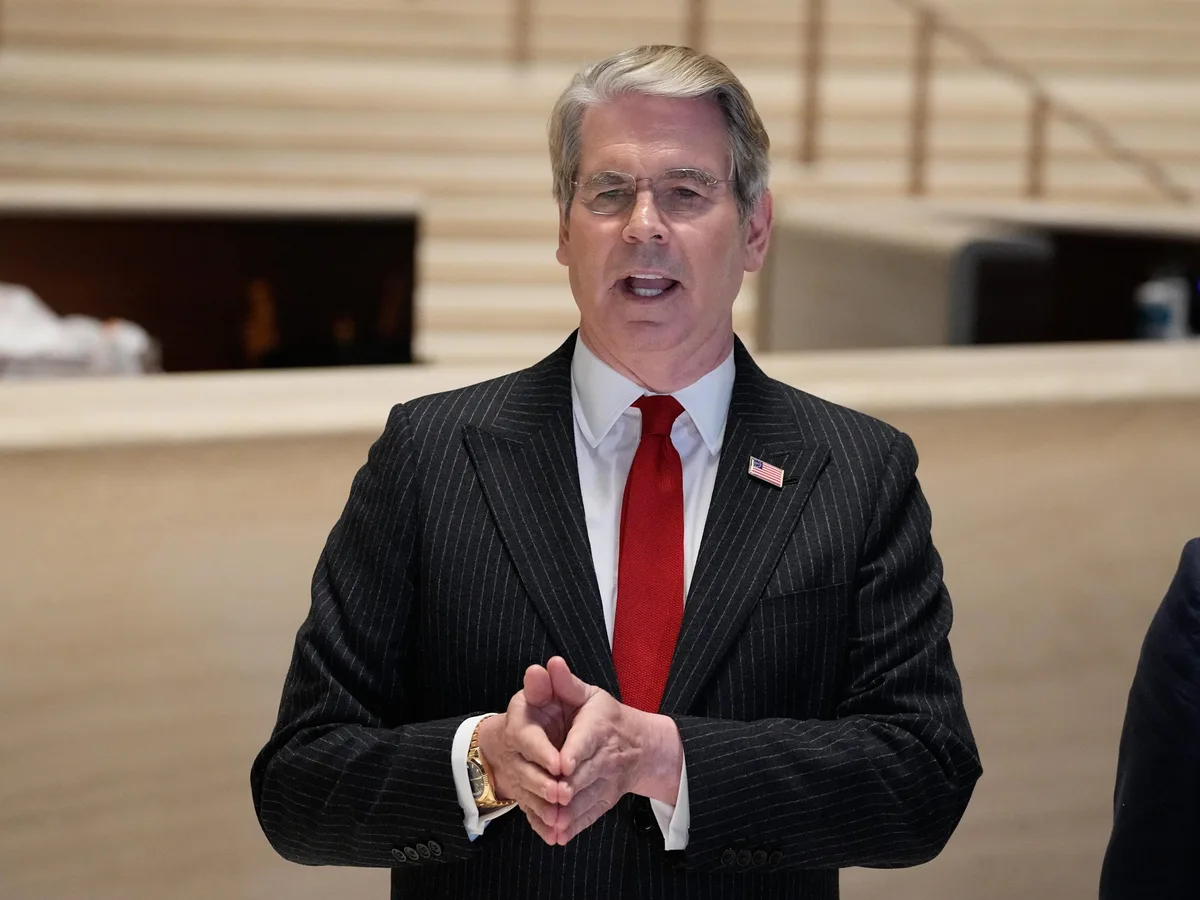
Treasury Secretary Scott Bessent said a proposed US-China AI dialogue would focus on AI-related national security incidents.
Eduardo Munoz Alvarez/Getty Images The US is pushing for a direct AI safety channel with China, even amid an intensifying rivalry.
Washington wants a direct US-China channel for major AI-related national security incidents.
The proposal comes as a growing AI safety debate puts catastrophic risks back in the spotlight.
The US has proposed a direct channel with China to notify both governments of major AI-related national security incidents even as their AI rivalry intensifies.
Treasury Secretary Scott Bessent said the proposal was made during talks in New York on Sunday with Chinese Vice Premier He Lifeng.
Their discussion came ahead of President Donald Trump's summit with Chinese leader Xi Jinping in Washington on Thursday.
"The US has proposed that we have a notification mechanism between the two countries, and we want a shared vision of common goals and common threats," Bessent told reporters.
He said the proposal would be part of a new "US-China AI dialogue" focused on national security incidents involving AI.
"We think that, just like with any cross-border activity, that moving from opaque to more transparency between the number one and the number two AI powers in the world is very important," Bessent said.
The proposal comes amid a broader debate over AI safety.
In recent weeks, prominent AI researchers, executives, and some lawmakers have renewed warnings about increasingly capable AI systems, arguing that governments should work together to reduce the risk of catastrophic misuse.
China stopped short of publicly endorsing the proposal.
State news agency Xinhua described the talks as "candid, in-depth and constructive" and confirmed the two sides discussed AI, but did not mention the proposed notification mechanism.
5News aggregated this summary from the outlet’s public feed. The full article, with all the context, is on www.businessinsider.com — the content belongs to Business Insider.