We followed people’s memories of 9/11 over the past 25 years — they started hallucinating things by 2002 and never stopped
How did you first learn of the attacks on Sept.
11, 2001? Was it your mother’s panicked phone call? Your roommate shaking you awake with the news? The anxious chatter on your commuter train? No matter how you answer, our research suggests you may have around 40% of the details wrong.
The questions are not about the facts of the event itself, but rather the circumstance of learning about the event – what psychologists call flashbulb memories .
People don’t remember such personal details for most news events, but for a select few, they do.
For instance, Americans of a certain age also have flashbulb memories of hearing about President John F.
Kennedy’s assassination.
Flashbulb memories can last a lifetime.
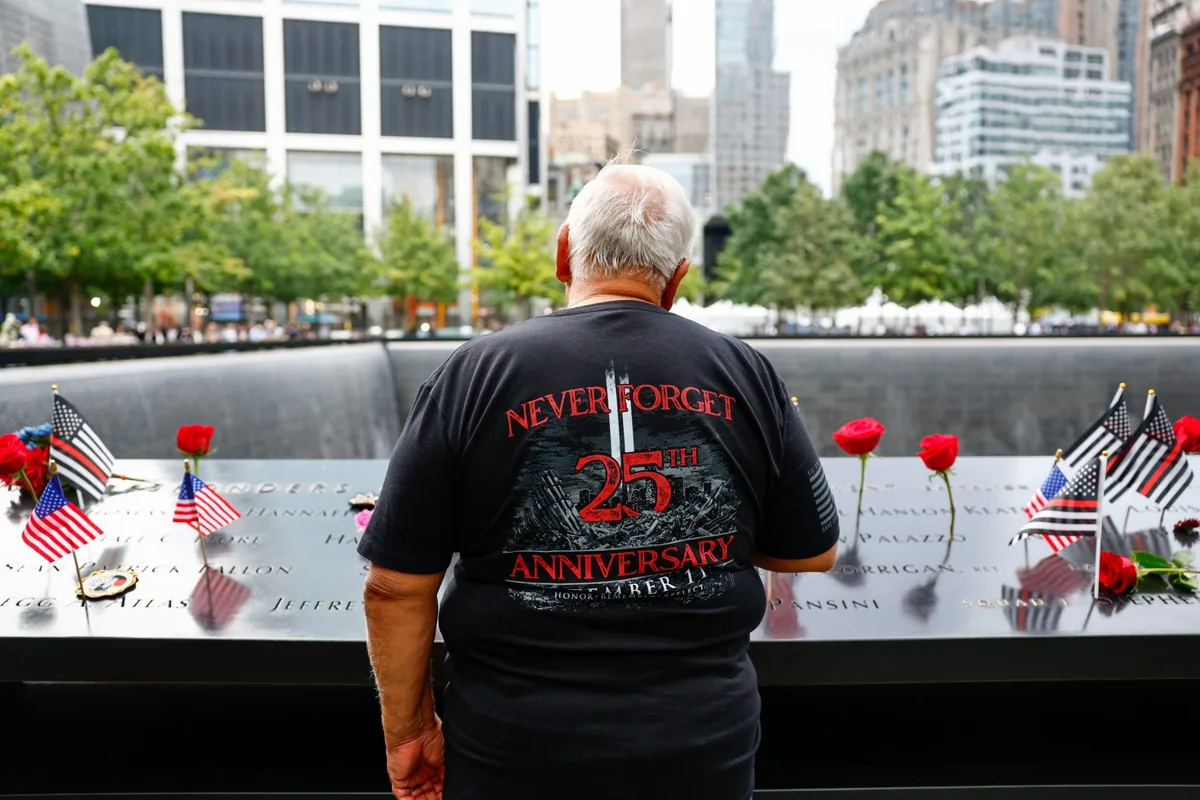
Twenty-five years after the 9/11 attacks, people can still describe in detail how they learned of the attacks.
But there is an important caveat: These long-lasting memories may not be as accurate as you might like to believe.
Comparing memories over time In research that we launched in the days after the attacks, we asked a few thousand people across the United States to tell us their memories .
We asked them to tell us how they learned about the attacks, who they were with, where they were, what they were doing beforehand and how they felt.
We also asked how confident they were that their memory was accurate.
We followed up with the same people one year, three years and 10 years later .
We are now collecting their memories after a quarter century.
5News aggregated this summary from the outlet’s public feed. The full article, with all the context, is on fortune.com — the content belongs to Fortune.