Saturday, August 22, 2026 SourcesAbout🌓
🇺🇸 US ▾
BREAKING
Dominion still has pending lawsuits against election deniers such as Rudy Giuliani and Sidney Powell Russia is 'going backwards' in equipment and deploying post WWII-era tanks, according to Western officials Podcast: One country musician is calling for other artists to oppose assault rifles Bidets save you money and reduce waste — we tested the best options out there 50+ products to make your life easier and our planet cleaner Mother's Day is around the corner. Here are 50+ thoughtful gifts she'll love A head-to-toe guide of how men should dress this spring, and where they should shop 42 of the most useful travel products you can buy on Amazon The 7 best high-yield savings accounts of April 2023 Taxes are due tomorrow. Here's how to file for an extension Dominion still has pending lawsuits against election deniers such as Rudy Giuliani and Sidney Powell Russia is 'going backwards' in equipment and deploying post WWII-era tanks, according to Western officials Podcast: One country musician is calling for other artists to oppose assault rifles Bidets save you money and reduce waste — we tested the best options out there 50+ products to make your life easier and our planet cleaner Mother's Day is around the corner. Here are 50+ thoughtful gifts she'll love A head-to-toe guide of how men should dress this spring, and where they should shop 42 of the most useful travel products you can buy on Amazon The 7 best high-yield savings accounts of April 2023 Taxes are due tomorrow. Here's how to file for an extension
Technology

Putting mice into hibernation causes a major loss of synapses
Ars Technica ·
Putting mice into hibernation causes a major loss of synapses

Our leading hypothesis for how our memories are stored is that when you learn something, the connections among neurons involved get stronger and physically larger, and that constitutes the memory.

The trouble is that these connections significantly change over time—they’re plastic.

“If you compare the arrangement of these connections on day one with the same on day four or five, it's very, very different," says Kazumasa Tanaka, a neuroscientist at the Okinawa Institute of Science and Technology Graduate University in Japan.

To learn how a memory that can last for years can sit on hardware that shifts every few days, Tanaka’s team made the shift a bit more dramatic.

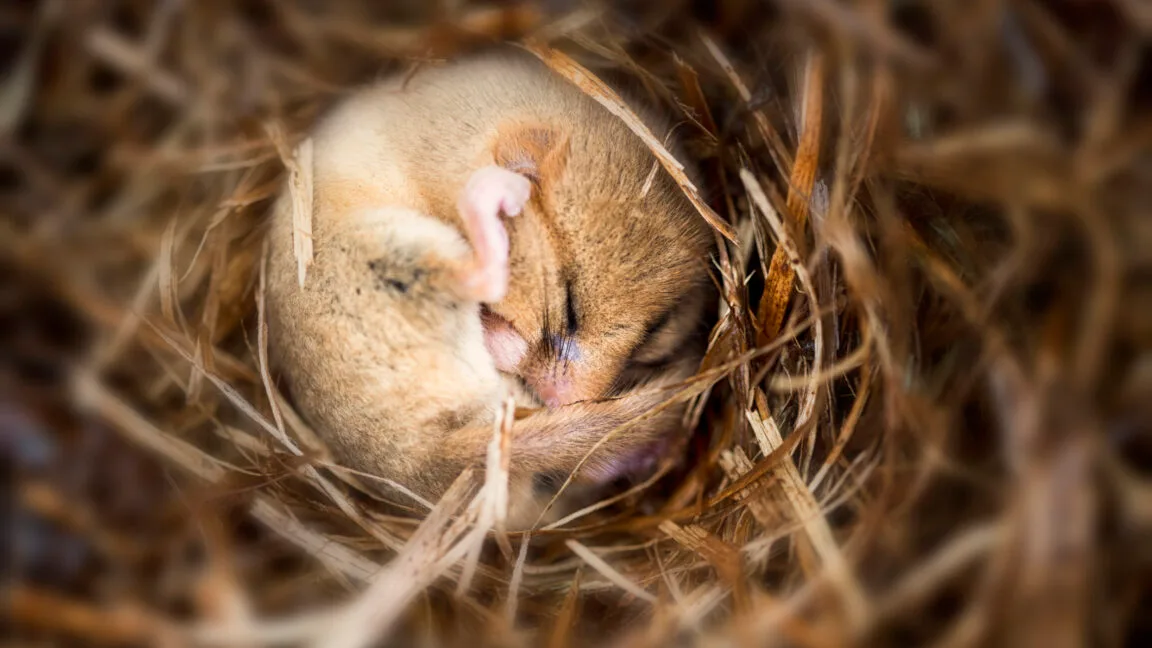
In a recent Science study, they induced a hibernation-like state in mice, which basically erased the state of more than half of their synapses.

And yet the mice apparently have kept their memories.

Hibernation on demand Hibernation is a specialty of squirrels, hamsters, and bears, but the neural circuit that triggers it is conserved across mammals, and is present in species that never hibernate in the wild—like mice.

In June 2020, a team of researchers led by Takeshi Sakurai, a neuroscientist at the University of Tsukuba and a collaborator on Tanaka’s study, developed a technique to artificially activate this hibernation circuit.

This can be done by activating a population called Q neurons in a region of the hypothalamus.

Read full article Comments

Read the full article on Ars Technica ›

5News aggregated this summary from the outlet’s public feed. The full article, with all the context, is on arstechnica.com — the content belongs to Ars Technica.


More from Ars Technica

See all ›

More in Technology

See all ›