What a desert lizard teaches us about patents and the GLP-1 revolution
After steadily rising for decades, America’s obesity rate is finally declining.
It peaked in 2022, when 39.9% of adults were obese, according to Gallup.
This year, that share dipped to 36.4% — in large part thanks to increasingly widespread GLP-1 weight-loss medicines.
About one in every nine adults currently takes Wegovy, Zepbound, or another GLP-1.
That’s roughly a ten-fold increase since 2022.
And that share will likely keep rising as the price of these drugs continues to drop.
As recently as last year, the weight-loss treatments cost over $1,000 per month.
Today, patients can purchase them for as little as $149 a month — because the leading GLP-1 manufacturers have been forced to slash prices to compete for market share.
Americans can thank a desert lizard—and the patent system—for these increasingly ubiquitous, increasingly affordable treatments.
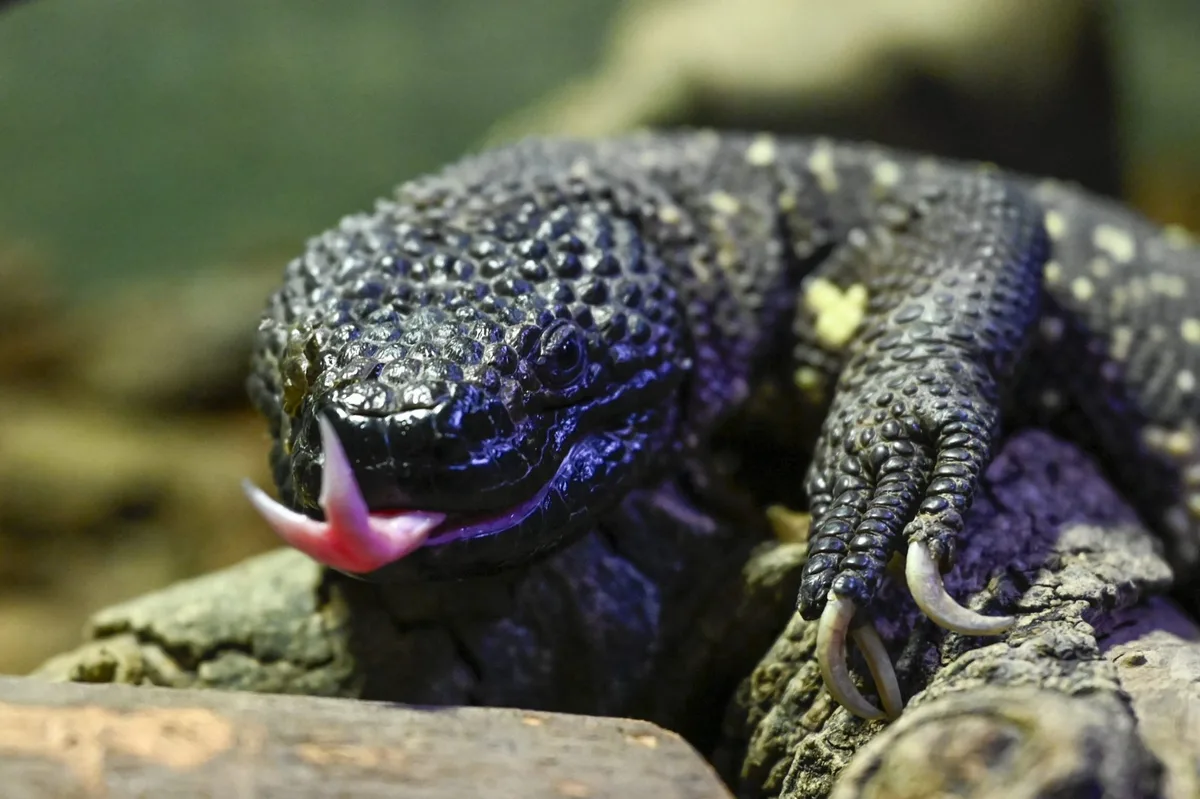
The story begins in 1990, when John Eng, an endocrinologist at the Veterans Administration, isolated a peptide from the venom of Gila monsters, the nearly two-foot-long lizards native to the Southwest.
That peptide mimicked the human hormone GLP-1, which prompts the pancreas to release insulin and makes people feel full.
But unlike natural GLP-1, which disappears from the body within minutes, this compound remains active for hours.
Dr.
Eng patented the peptide.
5News aggregated this summary from the outlet’s public feed. The full article, with all the context, is on fortune.com — the content belongs to Fortune.