Covert mideast oil flows are keeping global prices in check
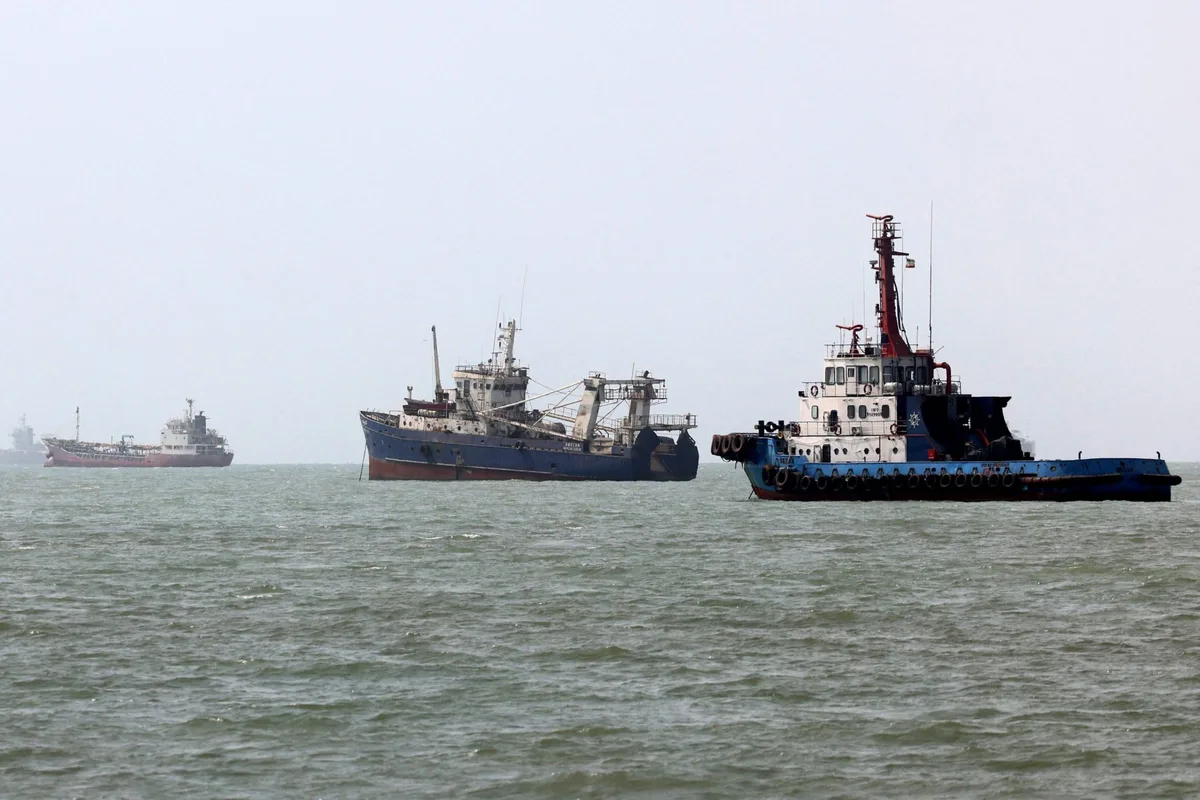
Middle Eastern oil producers are pressing ahead with shuttling large volumes of crude out of the Persian Gulf, helping keep a lid on prices and assuaging fears of an energy-driven inflation spike, even as the Iran war drags on.
The trade of ferrying oil through the Strait of Hormuz undetected to transfer the barrels onto tankers in the Gulf of Oman is running at full tilt, despite recent attacks on vessels, people with knowledge of the shipments said.
The incognito crossings of the world’s most vital energy chokepoint have become a major lifeline for global markets that were bracing for a much worse supply shock when the Iran war broke out.
For producers in the region, the situation is far from normal, however, with ships subject to repeated hostility even though they have some military protection, the people said.
The shuttling has been ongoing for months, but tracking how much oil those “dark” ships are moving is a challenge for traders and analysts alike because vessels are protecting themselves by giving little clue about their locations.
The volumes are running higher than market estimates of 4 million barrels a day, the people said, without specifying by how much.
They spoke on condition of anonymity given the sensitivity of the matter.
Before the Iran war, about 20 million barrels a day crossed Hormuz, roughly a fifth of the world’s oil supply.
Last week, US Energy Secretary Chris Wright said that 9 million barrels a day crossed Hormuz over the previous seven days — a figure that surprised many traders and would be on the high end of estimated flows, at almost half of pre-war rates.
The embattled shipments are one of the reasons that Brent oil futures have spent much of August trading between $80 and $90 a barrel, traders and analysts say.
That’s far from the most alarming levels foreseen at the onset of the conflict if the Iran war lingered through the summer.
Some were bracing for $150 oil.
The dark shuttle transits have combined with pipeline workarounds, stockpile releases and reductions in demand across the world to limit the economic hit from the war.
“Despite the repeated targeting of our vessels, we are determined to continue meeting our responsibility to safely deliver energy to global markets and to meet our customer commitments and needs as much as possible,” the United Arab Emirates’ state oil giant Abu Dhabi National Oil Co. said in response to a request for comment for this story.
5News aggregated this summary from the outlet’s public feed. The full article, with all the context, is on fortune.com — the content belongs to Fortune.