Oil prices dive on signs of Hormuz diplomacy while Saudi Arabia is left hanging in fight against an Iranian ally threatening crude’s other chokepoint
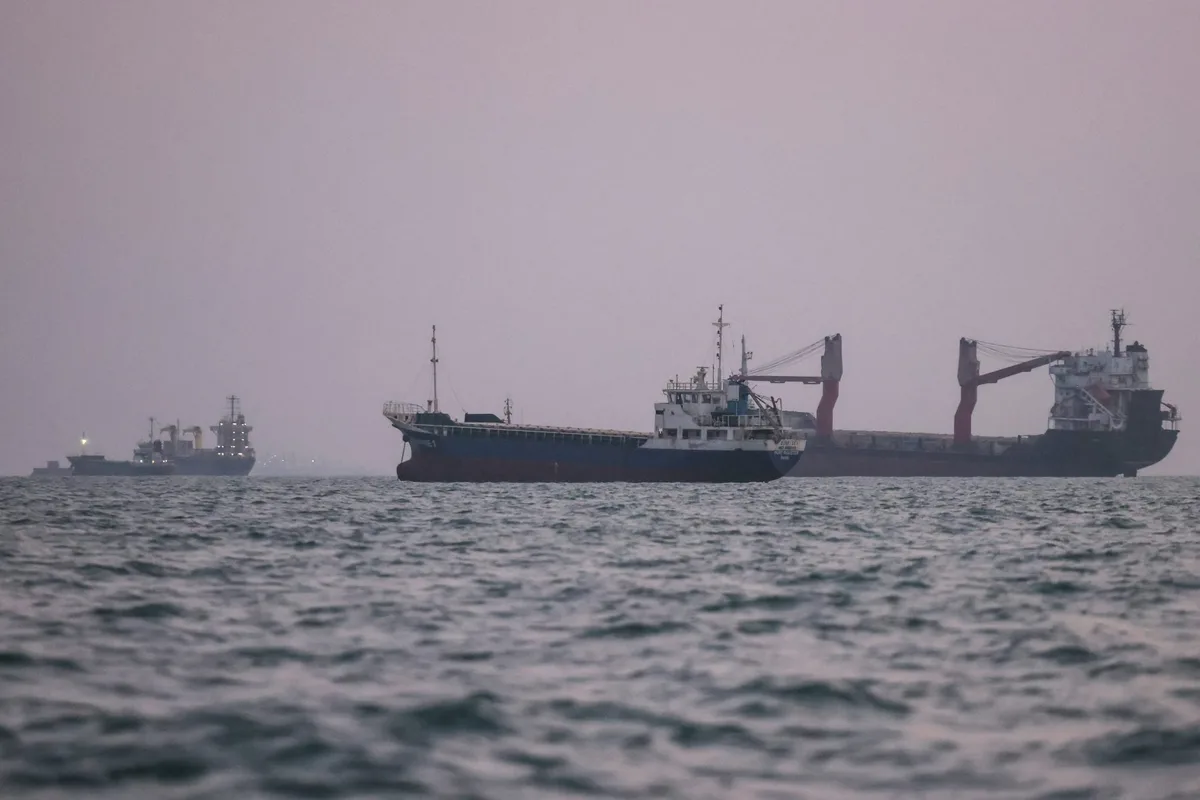
After weeks when Middle East diplomacy seemed dead in the water, a rare meeting between Iran and its Persian Gulf neighbors has renewed hope for a deal that could fully reopen the Strait of Hormuz.
Foreign ministers from the Gulf Cooperation Council—which is comprised of Saudi Arabia, the UAE, Qatar, Kuwait, Bahrain, and Oman—will meet their Iranian counterpart on Monday, sources told the Financial Times .
Brent crude oil prices tumbled 2.9% to $104.52 a barrel on Friday.
It would be the first such gathering since the U.S. and Israel launched their war on Tehran and also comes as Oman and Iran seek to build support on a deal the two countries have been crafting to temporarily manage traffic in the Strait of Hormuz, the report added.
For now, the U.S. and Iran have been locked in a stalemate over the global energy chokepoint.
The U.S. naval blockade is preventing Iran from exporting oil via its ports, while Iranian drone and missile attacks are preventing other exporters from returning to prewar levels.
But an agreement on the Iran-Oman shipping scheme wouldn’t fully reopen the strait.
Tehran has insisted the U.S. must first fulfill terms of their earlier ceasefire deal reached in June.
“For Iran and Oman it is about getting the GCC on board to try and use that to get the U.S. to lift its blockade on Iranian ports,” a source told the FT , while the GCC wants to ensure that “whatever is agreed is temporary and they are able to get ships in and out.” GCC states are wary about agreeing to anything that would recognize any Iranian control over Hormuz.
But the equation may be changing as Iran tries to turn the tables on the U.S. and its allies.
The U.S. military has been helping non-Iranian oil sneak through the Strait of Hormuz, bringing exports from the region to around two-thirds of prewar levels.
While that still represents a significant shortfall, the U.S.-guided oil flows weakened Iran’s ability to use the strait as political leverage.
At the same time, the naval blockade is crushing Iran’s economy.
To regain the upper hand, Iran recently launched fresh missile salvos at U.S. bases in the region, attacked U.S. warships, and helped its Houthi allies in Yemen seize territory near the Bab al-Mandab Strait that links the Red Sea and the Arabia Sea.
5News aggregated this summary from the outlet’s public feed. The full article, with all the context, is on fortune.com — the content belongs to Fortune.