Arabia's Top Companies of 2026
Countries in the Gulf Cooperation Council, whose economies have benefitted massively from natural resources like oil and gas, have been increasingly diversifying their economies beyond the hydrocarbon business.
“In terms of economic strategy, [the GCC countries have] gotten the message that oil is not going to be there for long,” says Adnan Mazarei , a senior fellow at the Peterson Institute for International Economics and former deputy director of the IMF's Middle East and Central Asia department.
“They've been aware that the geopolitical landscape is changing.
They have a role to play by being a platform for various things in between these two poles: China versus the West .” To gauge how different industries are developing across the GCC countries, TIME partnered with data firm Statista on a research project aimed at identifying the top-performing 200 companies in Bahrain, Kuwait, Oman, Qatar, Saudi Arabia, and United Arab Emirates based on employee satisfaction, revenue growth in recent years, and sustainability transparency informed by self-reporting.
Methodology: How TIME and Statista Determined Arabia’s Top Companies of 2026 There are varied diversification efforts across the GCC countries.
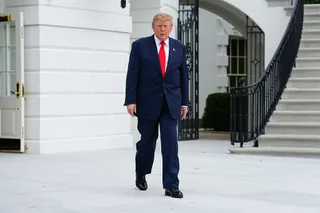
The United Arab Emirates, Qatar, Saudi Arabia, and Bahrain have entered into agreements as part of the Trump Administration’s America First Investments to put more money into AI data centers and other technology innovations over the coming years.
Saudi Arabia has been interested in becoming a hub where critical minerals are processed .
And in the UAE and Saudi Arabia, which lead the region in economic diversification , other growing industries include health services, health tourism , and regular tourism.
Developmental differences in each country have affected which non-oil industries excel.
“The most profitable investments are still in energy,” says Mazarei, and an increasing share of their own energy use mix is renewables , which has also been a key part of their diversification strategy.
States are investing more in renewable energy and green tech as they consider energy efficiency to meet their enormous electricity needs, and saving oil for exports, says Karen Young , political economist and senior fellow at the Middle East Institute.
“There was a lot of inefficient power generation from oil that's being phased out,” she says.
“That makes sense from a climate perspective, but also from a cost perspective.” For example, in late 2025, QatarEnergy (no.
1 in the country and no.
5News aggregated this summary from the outlet’s public feed. The full article, with all the context, is on time.com — the content belongs to TIME.