How IHH Healthcare CEO Prem Kumar Nair is planning for a longer-lived Asia
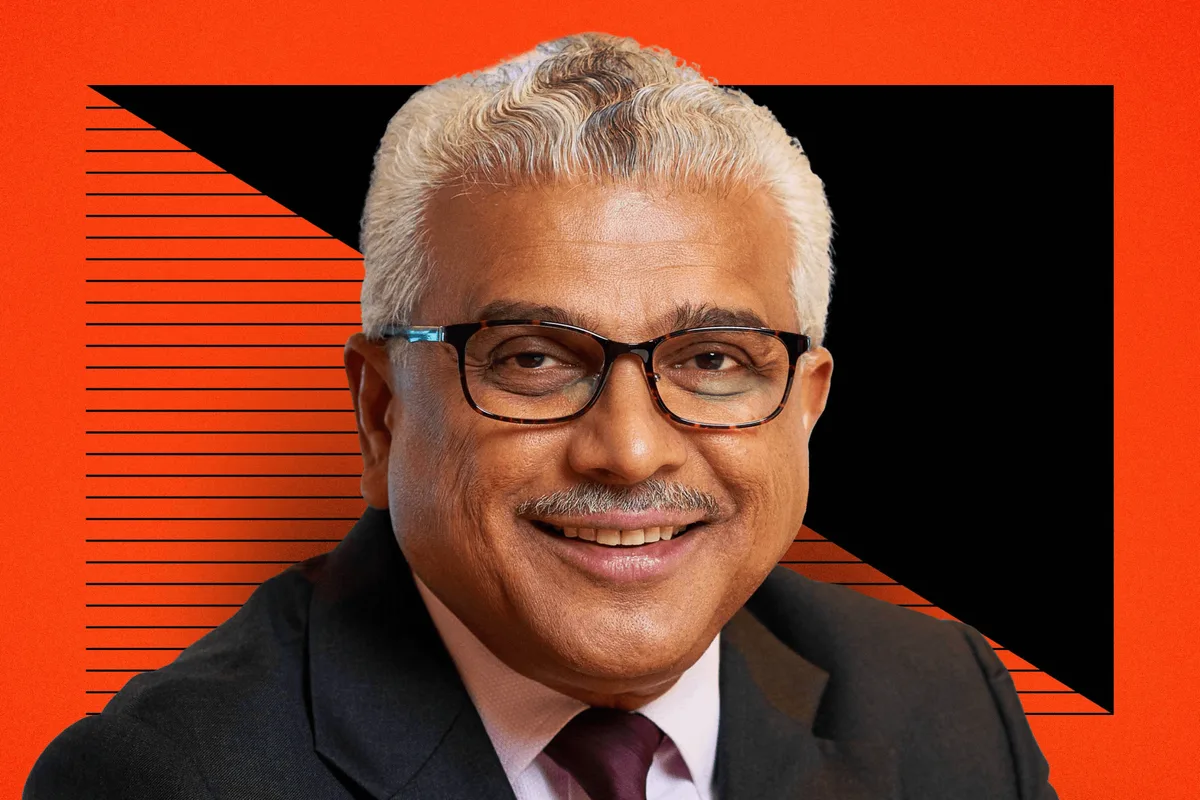
“There’s no point in living longer if you’re not healthy.” So says Prem Kumar Nair, CEO of Asia’s largest private health group, IHH Healthcare, as he grapples with an Asia that’s wealthier, longer-lived, and far more willing to spend money on the finer things in life.
“As populations grow more affluent and people indulge in good food and wine, we’re seeing a rise in lifestyle diseases: diabetes, hypertension and high cholesterol,” he points out in an interview with Fortune.
Asia is getting older.
One in four people in the region will be older than 65 by 2050, according to the Asian Development Bank .
Asians generally have longer life expectancies than those outside the region—but longer lives aren’t the same as healthier ones.
A Stanford study published in April found that population aging accounted for 33.6% of the increase in disease burden across mainland China, Japan, Singapore, South Korea and Taiwan.
IHH is stepping in with “Healthspan”, a new preventive health and longevity program launched in July.
Unlike the aesthetics-driven wellness industry, IHH’s Healthspan is built around clinical intervention.
Though the program is now only offered in Singapore, Prem eventually hopes to bring it to IHH’s nine other markets, which include India, Turkey and Greater China.
“For many people, longevity means aesthetics : coloring your hair, and taking a whole lot of vitamins and supplements.
But for a healthcare provider like us, longevity is anchored very strongly in clinical science,” Prem says.
Take sarcopenia, the age-related loss of muscle mass.
“We’ll encourage older patients to do resistance training, not for them to build biceps, but to make sure that their muscles can hold them up and they don’t fall and sustain knee or hip fractures,” Prem explains.
IHH’s Healthspan program also leans on GLP-1 drugs, the class of medications (including Ozempic and Wegovy) that has become, in Prem’s words, “the poster boy of longevity”.
5News aggregated this summary from the outlet’s public feed. The full article, with all the context, is on fortune.com — the content belongs to Fortune.