New York City is on track to launch 5 city-run grocery stores. Here's what happened when other cities tried them.
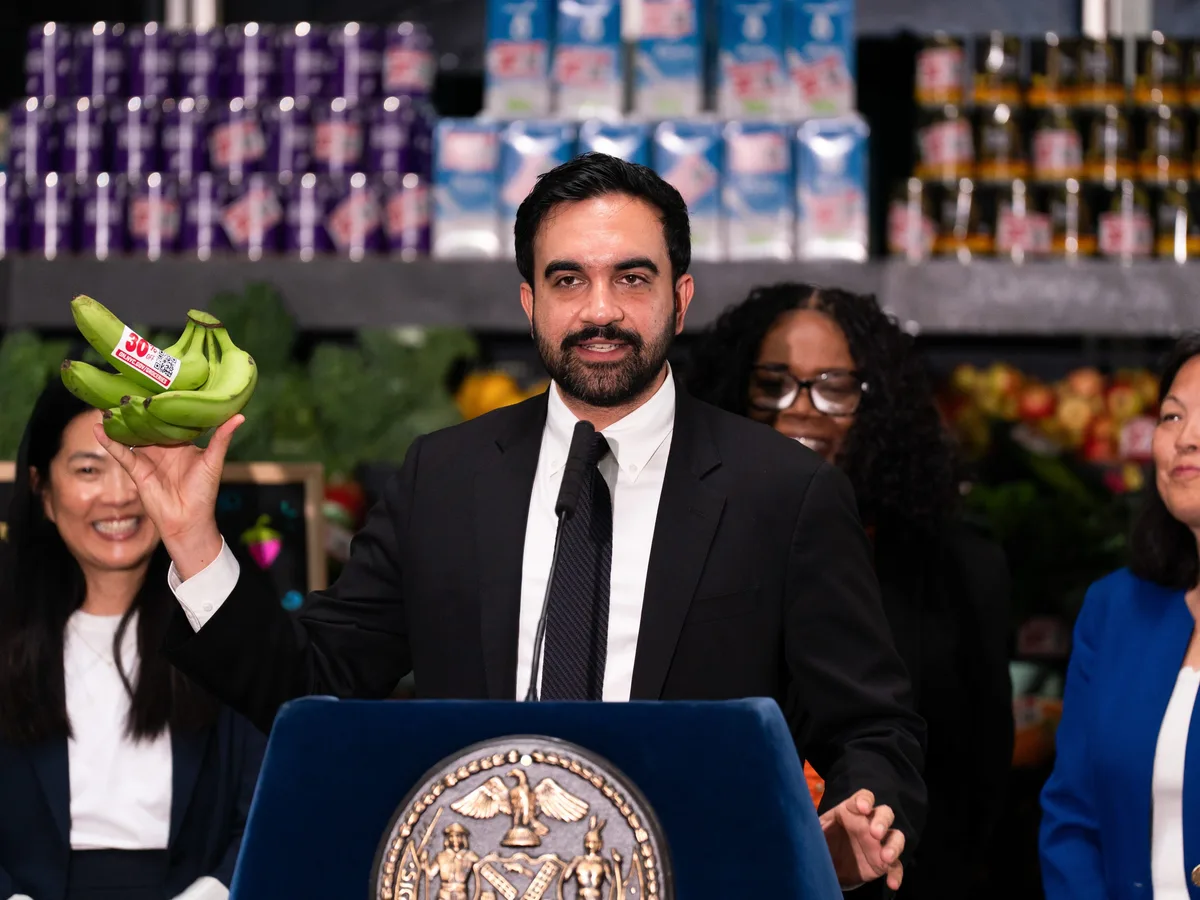
Mayor Zohran Mamdani is rolling out his plan for city-run supermarkets in New York.
Bloomberg/Getty Images NYC's Mamdani plans to open five city-run grocery stores by 2029, with a 30% discount on core goods.
Big cities like Atlanta, along with small towns in Kansas, along with have tried a similar model.
Affordability hurdles make it difficult for city-run stores to operate long term.
Mayor Zohran Mamdani is rolling out his city-run grocery stores — and New York City has a lot to learn from metros that have done the same thing.
The five NYC stores , which the city says will open by 2029, plan to offer shoppers a 30% discount on core goods like meat, dairy, and fresh produce through government subsidies offered to private operators that will run the stores.
In other cities, lawmakers have opened city-run stores through a series of grants and loans.
Some, such as a public-private partnership -run supermarket in Atlanta that closely resembles Mamdani's proposal, are financially viable.
Other experiments in places like Kansas City, Missouri, failed and closed because of high overhead costs, dwindling city support, and theft.
While other cities have focused on rectifying food deserts, the five boroughs' promise of lower prices is distinct.
"Basically, every other example is almost entirely about food access," said Jamie Horton, executive vice president for strategic initiative and business operations at NYC's Economic Development Corporation — a quasi-public nonprofit partnering with Mamdani on the stores.
"They don't have that mandated affordability.
That's what really separates our program.
We're both." The city recently filed a request for proposals seeking experienced grocers to partner on the stores' operations.
5News aggregated this summary from the outlet’s public feed. The full article, with all the context, is on www.businessinsider.com — the content belongs to Business Insider.