Meta's historic $18 billion settlement may mean little for the plight of teens
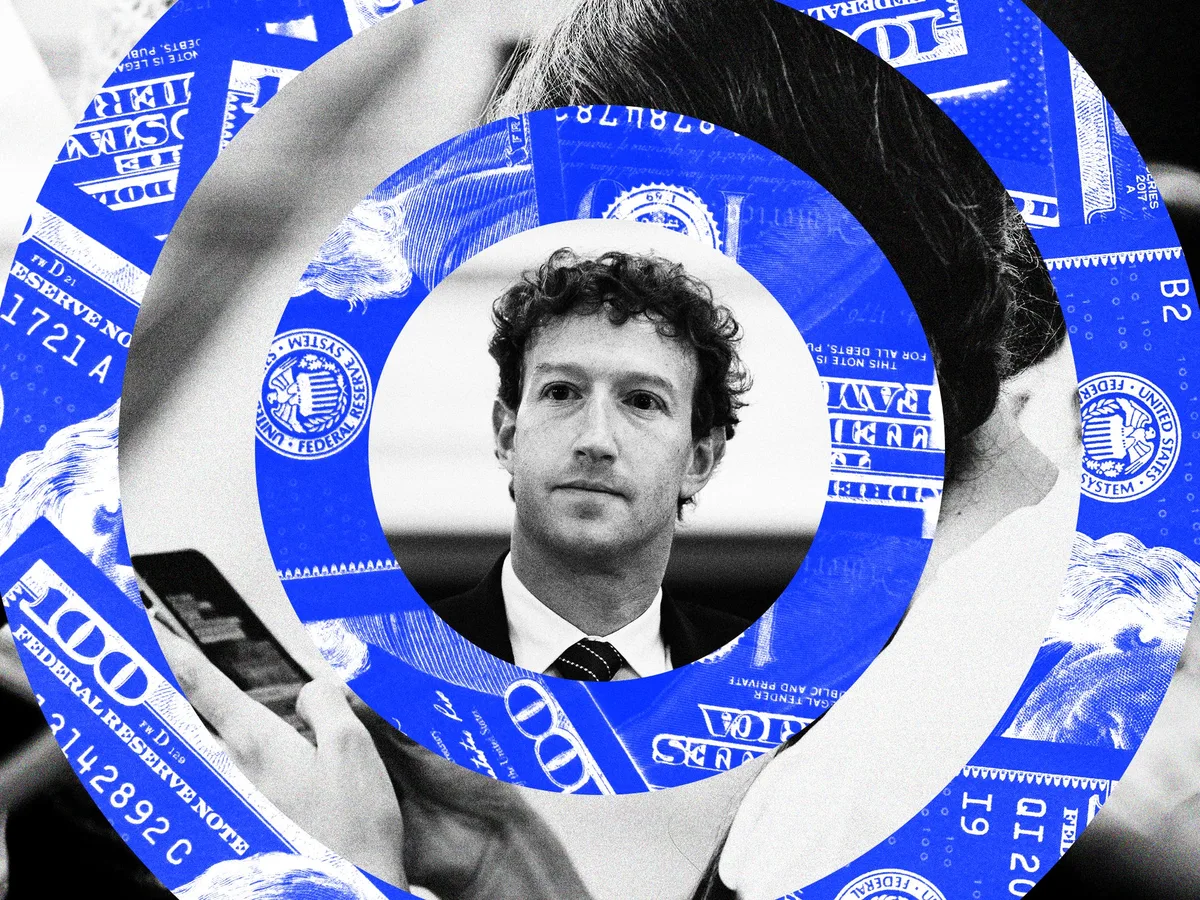
Bloomberg/Getty Images; Getty Images; Tyler Le/BI On Wednesday, Meta reached an agreement with attorneys general across states, Washington, DC, and US territories that had brought claims the design of the company's apps had harmed children.
The company will pay up to $18 billion in penalties and alter its apps to potentially limit the amount of time teens spend on them daily.
The settlement is historic: It's the highest ever paid to states by a Big Tech company, and it could have massive implications for how other social media companies design their platforms for both kids and adult users.
What we don't yet know is whether the specific changes Meta has agreed to implement will alleviate what brought on the lawsuit in the first place: the problems teens face when they log on to social media .
The company will install interruptions to infinite scroll, impose two-hour daily time limits for using its apps, and silence notifications overnight and during the school day.
Meta has also agreed to limit the use of beauty filters and hide the tallying of likes on posts by default, while strengthening age verification tools and parental controls.
The agreement also allows teens to choose a non-algorithmic feed, harkening back to the early days of social media, and turn off autoplay, meaning they would have to tap or swipe to see specific content.
Meta lost two lawsuits this year regarding safety on its platforms.
Now, the company has taken a more proactive stance in revamping their products, says Stavros Gadinis, a professor at the University of California, Berkeley, School of Law.
"Their strategy is developing," he says, because they may believe that by embracing these changes, "they're going to convince consumers that their product is credible." The settlement aims for an issue that lawmakers and parents have sounded alarms on, but it could miss the mark.
Giant social media companies get blamed for the state of the modern world, but mere usage is not the root cause of issues teens face.
Because social media is a highly visible target, it's drawn ire.
People think: "These are the bad guys, we gotta go after them," says Ari Lightman, a professor at Carnegie Mellon University's Heinz College of Information Systems and Public Policy.
"The bad guys are unfortunately everywhere." Approaches that track and limit kids' time on the internet don't address the deeper issues that draw them online and lead them to have a negative experience.
5News aggregated this summary from the outlet’s public feed. The full article, with all the context, is on www.businessinsider.com — the content belongs to Business Insider.