Hot flashes, night sweats, insomnia – OB-GYNS set new rules for menopause treatment
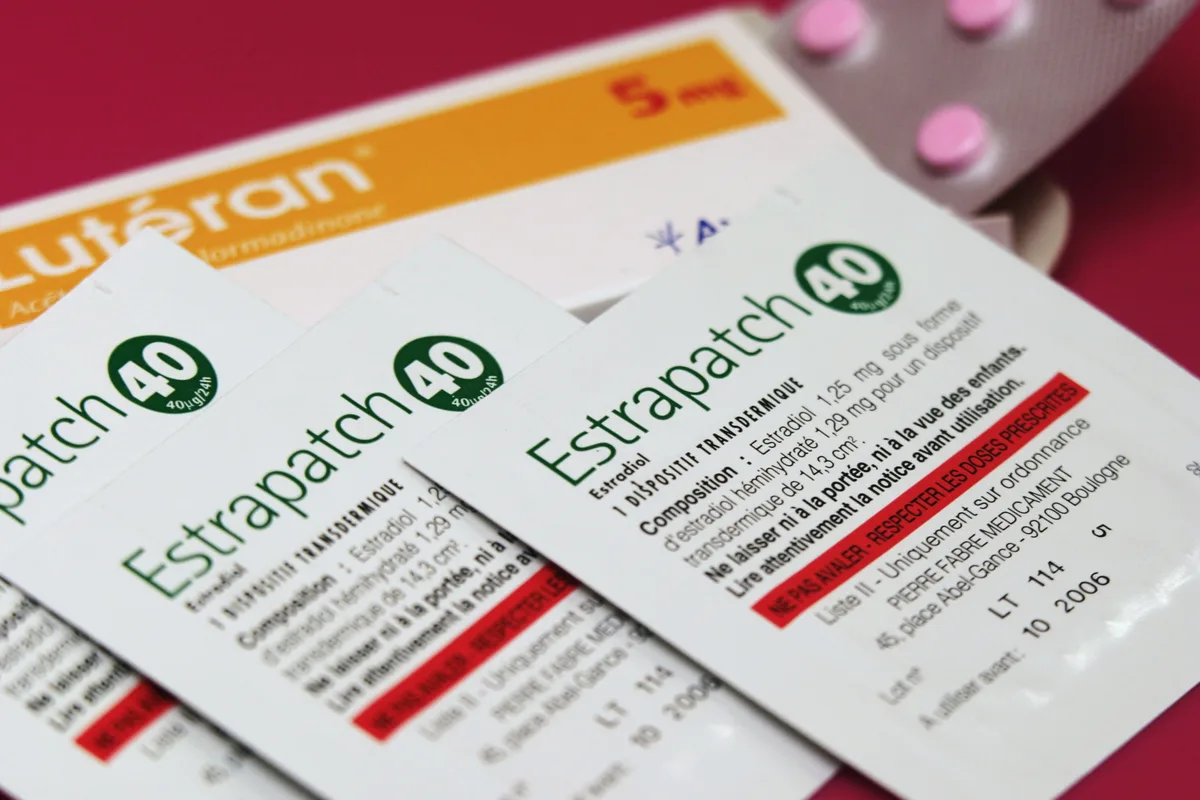
For the first time since 2014, the American College of Obstetricians and Gynecologists has updated its guidelines for the treatment of symptoms commonly associated with menopause. The doctor's group, known as ACOG, recommends hormone replacement therapy alongside certain antidepressants, nonhormonal medicines, and other treatments to address symptoms like hot flashes, insomnia and mood swings.
"What's changing is the breadth of options that we now have … And the benefit of that is that we are better equipped to be able to take an individualized approach for patients," said Catherine Cansino, MD, MPH, an obstetrician/gynecologist, chair of ACOG's Committee on Clinical Practice Guidelines and co-author of the new guidance.
The guidance, released Thursday, focuses on specific menopausal symptoms and underscores that the safety of hormone replacement therapy is now "well-established," Cansino said.
In 2002, the Women's Health Initiative suggested that hormone replacement therapy increased the risk of heart disease, breast cancer, stroke and pulmonary embolism.
Real Talk With a Doc Everyone's talking about hormone therapy for menopause. Should I be on it? However, as researchers revisited that data years later, they noticed certain limitations, (including that a majority of participants were 60 years or older) making it difficult to generalize the findings to younger women experiencing menopause or perimenopause.
With more and better quality studies, physicians are able to review the evidence and make better-informed recommendations, Cansino said.
"Hormone therapy is probably the best option for symptomatic, newly menopausal women within 10 years of the final menstrual period or before the age of 60," said Robert Kauffman, MD, MSCP, a co-author of the guidelines, during a press briefing on Thursday.
In addition to hormone replacement therapy, the guidelines highlight new nonhormonal options for treating menopausal symptoms, including the drug fezolinetant, brand name Veozah, which the Food and Drug Administration approved to treat hot flashes in 2023 and elinzanetant, brand name Lynkuet, which was approved in 2025.
Life Kit: Health Is hormone therapy the cheat code to perimenopause? "What's so exciting about these treatment options is they were specifically studied based on the understanding that we have of the physiology of thermoregulation and sleep," Cansino said.
The medications work by blocking certain chemical messengers in the part of the brain that regulates body temperature and manages sleep/wake cycles, according to the guidance.
About 2 million women begin menopause each year. The average age of a woman experiencing menopause is 49.9 years, according to the guidelines.
5News aggregated this summary from the outlet’s public feed. The full article, with all the context, is on www.npr.org — the content belongs to NPR.