Dangerously Hot Days Are Now Bleeding Into Spring and Fall
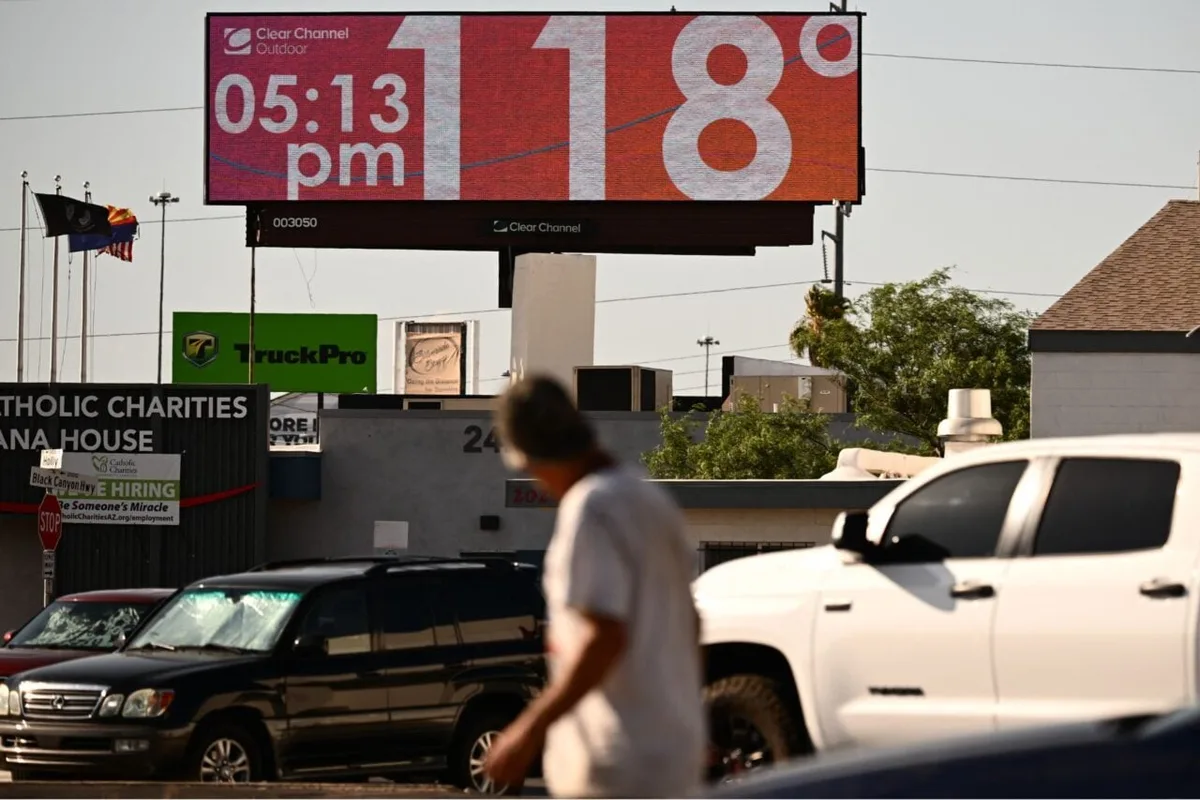
This summer brought record-breaking heat , but new research suggests the problem isn’t confined to the hottest months of the year. A recent study found that extreme heat events have become increasingly frequent not only during summer but also in the months leading up to and following it.
A team of researchers analyzed 45 years of global climate data and found that hot days have expanded into spring and fall across half of the world since the 1980s. The findings, published in AGU Advances, suggest that dangerously high temperatures are no longer limited to the traditional summer peak.
This week, the National Oceanic and Atmospheric Administration announced that this summer—from June to August—was the warmest in 132 years of record-keeping across the Lower 48 states. Globally, August set a global heat and humidity record.
While extreme heat has become more common, previous research tends to focus on average temperatures rather than the timing of the weather events. The researchers behind the new study set out to examine dangerous heat thresholds throughout the year.
They first measured extreme heat events worldwide between 1980 and 1989, and then compared those baseline figures to the most recent decade on record, 2015 to 2024. The team found that extreme heat seasons had expanded significantly across just over half the world’s land area for dry heat and just under half for humid heat.
The analysis also showed that the expansion was lopsided, with extreme heat events pushing further into spring in some regions and fall in others. In the western U.S., eastern China, northern Africa, and eastern Europe, extreme heat became more common and more rapid in the two months after summer. On the other hand, western Europe, southern Africa, and northwestern India experienced extreme heat events during the two prior months.
“There are very clear asymmetries in how extreme heat seasons are expanding in different parts of the world,” Catherine Ivanovich, a climate scientist at NASA Goddard Institute for Space Studies and lead author of the new study, said in a statement . “Extreme heat is starting to become something different in a lot of these regions.”
The study doesn’t explain what’s causing those extreme weather events to take place lopsidedly across the world. Unusually warm conditions taking place outside the season are rare and therefore hard to pin down statistically, according to the researchers.
The researchers tested whether ordinary warming alone could produce the pattern; climate simulations accounted for changes in the heart of the heat season but not for the lopsidedness at its edges. Regardless of the cause, the study warns that changes in the seasonal timing of extreme heat have dire repercussions.
Extreme heat can be especially dangerous when it arrives before people have had a chance to acclimate—or lingers after they’ve already endured months of scorching temperatures. It can also catch communities off guard.
5News aggregated this summary from the outlet’s public feed. The full article, with all the context, is on gizmodo.com — the content belongs to Gizmodo.