Fuel prices dominate midterm election discussions, but spiking utility bills may be the difference maker
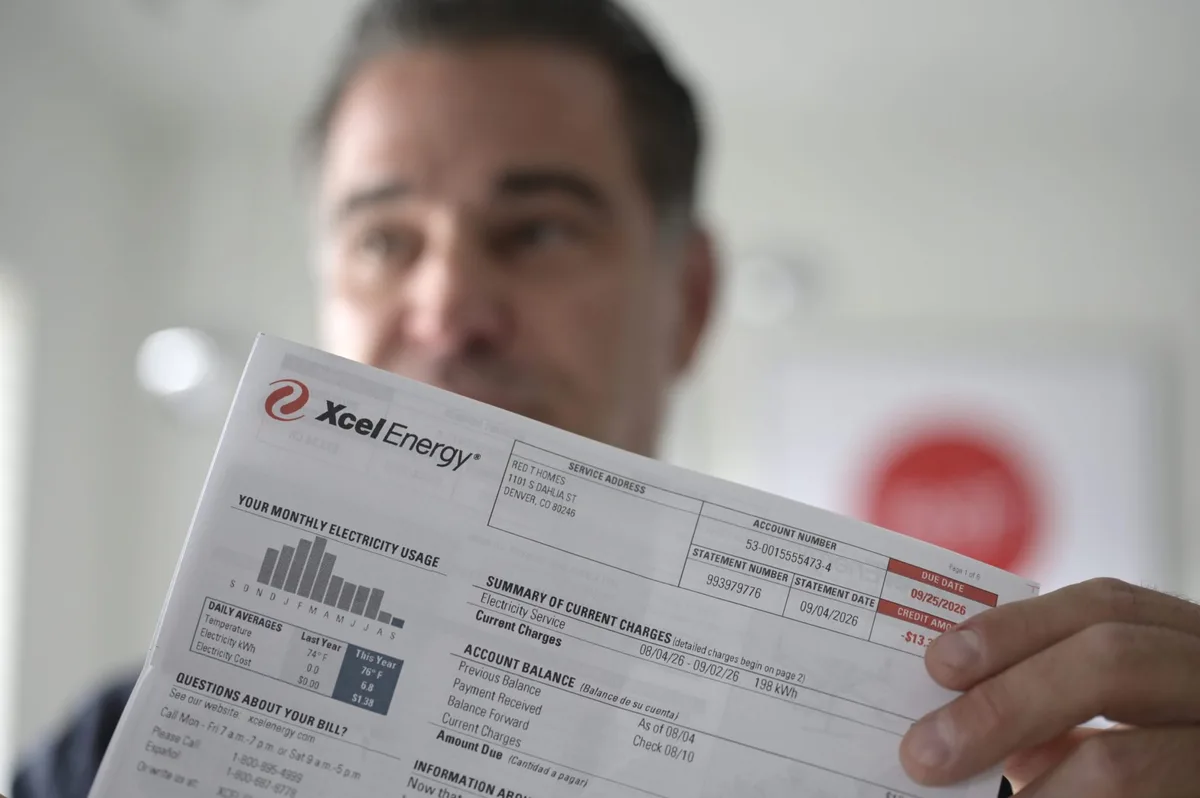
Record-breaking fuel prices triggered by the Iran war and global refinery outages have dominated the discourse leading up to the November midterm elections, but skyrocketing utility bill and the data center boom are squarely on the ballot too—and could tip the balance of power in many states and in Congress.
Prior to the beginning of the Iran war, electricity and natural gas utility bills led the nation in inflation and helped trigger the AI and data center backlash, even though data centers are only partly responsible for rising utility bills in some parts of the country.
But the uproar hasn’t dissipated—despite fuel prices winning more headlines of late—and many positions from public utility commissioners to U.S. senators to governors hang in the balance, said Charles Hua, executive director of the PowerLines nonprofit, which seeks to modernize the utility regulatory system.
“This is no longer a boring, sleepy energy story,” Hua said.
“I cannot think of another election cycle prior to this 2026 midterm cycle where electricity and utility bills were on the ballot.
“Energy has always been an issue that’s animated voters, but primarily on the oil and gas and fuel cost side in terms of what people pay at the pump.
What is new and distinctive about this moment is the way in which electricity is now an issue and the way in which utility bills are one of the predominant sources of frustration for energy consumers across the country,” he added.
Over the last five years, U.S. electricity prices have risen by roughly 40% on average.
Through the first three quarters of 2026, utilities have requested another $23.1 billion in rate increases, on track to match the record-smashing high of nearly $31 billion in 2025.
The record set last year was nearly double the previous high.
And utility rate hikes are typically associated with increased spending.
Investor-owned utility companies increased their capital expenditure plans by more than 27% to at least $1.4 trillion through 2030, up from $1.1 trillion a year ago, and that’s not even counting privately held companies, according to PowerLines.
While most of the rate hikes from previous years are attributed to an aging grid in need of upgrades, increasingly extreme weather events, and volatile fuel prices, much of the future spending is also for new power generation, in part to power the AI data center boom.
Data center developers can build their own power behind the meter or cover the costs to help reduce the impacts on ratepayers, but it varies by project and region.
5News aggregated this summary from the outlet’s public feed. The full article, with all the context, is on fortune.com — the content belongs to Fortune.