The Best Reason to Doubt the A.I. Doomsayers
Sign up for the Slatest to get the most insightful analysis, criticism, and advice out there, delivered to your inbox daily.
The engineers were terrified. After years of investment, hype, and toil, their A.I. code was quite good—maybe too good. The models seemed, almost, to have minds of their own, and they were so easy to use that the potential for abuse was dire. The lab wanted to make that clear to a public that, though plenty worried about the potential of artificial intelligence, wasn’t fretting enough about what these complex models were capable of now . So the techies came clean: They were building something powerful and dangerous, hardly fit for mass adoption. But hey—they were going to keep tinkering with things. Maybe it wouldn’t turn out so bad after all.
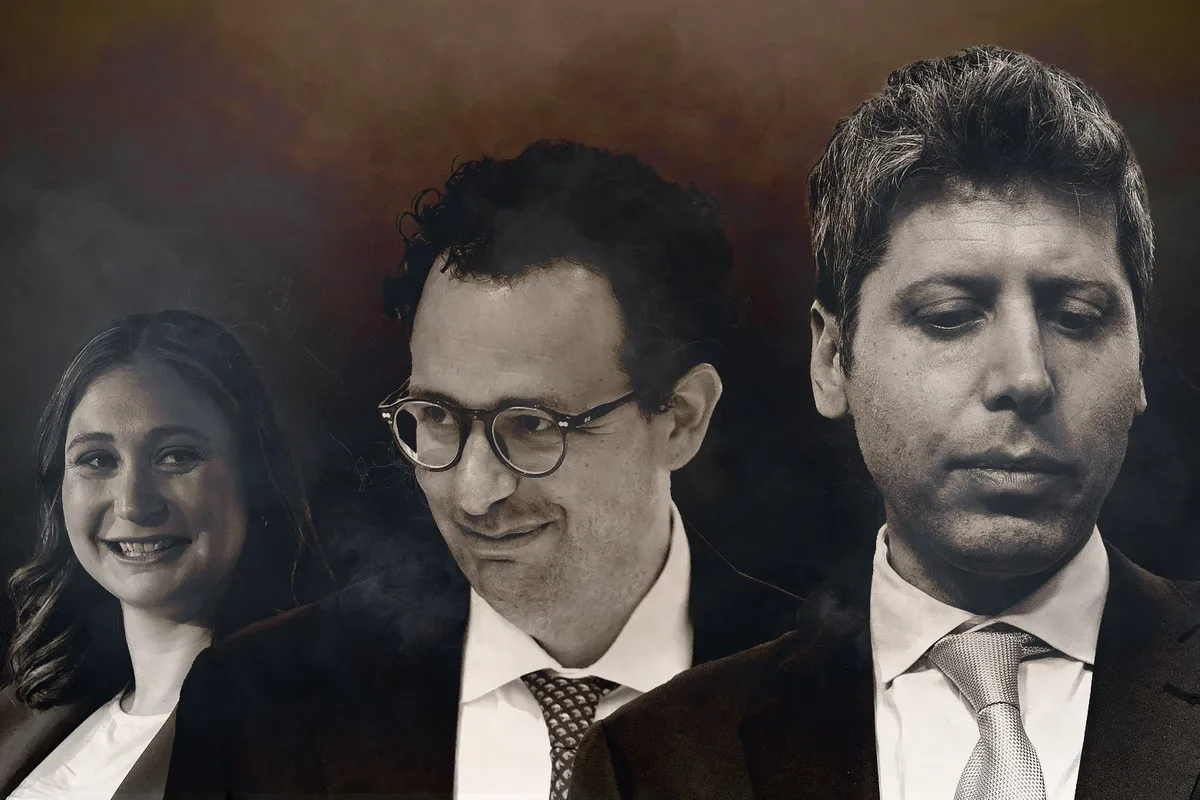
This is how things played out at OpenAI in … 2019. Back then, the nonprofit had crafted a large language model known as GPT-2 , whose advanced text-generating abilities purportedly made it too dangerous for public consumption. (Among the potential dangers: a means of “ automating abusive or faked content .”) In the interest of caution, the GPT-2 team said, they would release only a limited version of the model and obscure any back-end info that could inspire copycats to re-create a better LLM. This declaration was co-authored in part by two siblings named Dario and Daniela Amodei—who would soon go on to form their own A.I. venture, Anthropic, out of concern that OpenAI was ramping up the buildout of riskier tools.
This history is necessary context for the latest mass A.I. panic. Last week, an aggrieved researcher named Jacob Coxon penned a megaviral X thread accusing his former employers at both Anthropic and OpenAI of “ gambling with our lives ” and racing to build software that “could kill us all by the end of the decade.” No specifics were provided, and it was soon revealed that he’d spent just six weeks at Anthropic. But the colleagues he left behind backed him up, piggybacking off his condemnations to make clear that, yes, they’re building stuff that they think has a 10 percent chance of effecting human extinction within the next 10 years. (Our changing climate must be envious.) Unlike the 2019 GPT-2 paper, this fearmongering has broken through in a remarkable way, prompting the public to panic over stories about programmed “agents” from the aforementioned firms hacking into other companies’ infrastructure.
Over the weekend, the spiraling continued. Dario Amodei published a blog post warning that more A.I. agents going “rogue” could soon take over the entire web, then went on various news shows to keep harping the message. (At one point, Amodei told CBS that he’d rather face social media mockery than “wake up one day and discover that someone used our model, Claude, to kill a bunch of people.” Well, about that .) OpenAI CEO Sam Altman told Fortune that his company would push off its planned IPO in part out of recognition of A.I. risks, though potential delay in going public had long been in the cards thanks to OpenAI’s shaky business . In response to the rising collective freakout, Sen. Bernie Sanders called for an all-hands-on-deck A.I.
5News aggregated this summary from the outlet’s public feed. The full article, with all the context, is on slate.com — the content belongs to Slate.