I created a viral AI watermark remover. I wasn't ready for all the attention.
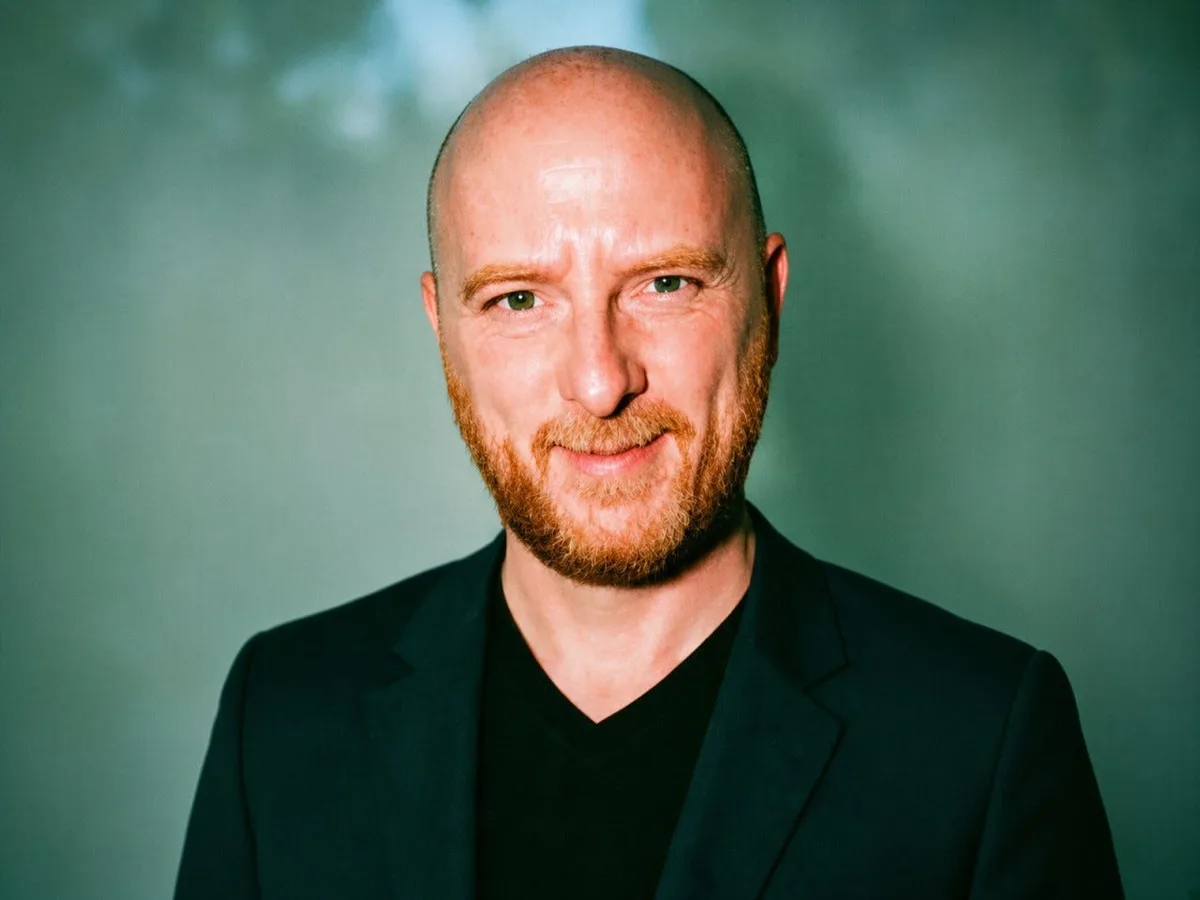
Guillaume Meyer created a viral AI watermark remover.
Courtesy of Guillaume Meyer Guillaume Meyer created "Watermarks Remover" after Anthropic's AI watermark announcement.
Meyer's open-source project gained viral attention after he published the tool online.
He believes AI watermarks create more problems than they solve, but he supports content attribution.
This as-told-to essay is based on a conversation with Guillaume Meyer, a Paris-based tech founder and creator of a viral open-source project "Watermarks Remover," which he made in response to Anthropic's AI watermark announcement .
His words have been edited for length and clarity.
I'm an entrepreneur, and I've been in the tech industry for over 20 years.
Last week, Anthropic announced it would add an invisible AI watermark .
I knew other vendors, like Gemini, were already doing this, and out of curiosity, I started researching what AI watermarking is and how it works.
I had the idea to build a tool to see if I could remove the invisible watermark.
A few hours later, I published the first version of my watermark remover on GitHub.
After my second X post about the project on August 11, it blew up, and I got over 2 million impressions.
I later discovered that it went viral on LinkedIn and other social networks, too.
I had to create new accounts just to learn about what people were saying about it.
5News aggregated this summary from the outlet’s public feed. The full article, with all the context, is on www.businessinsider.com — the content belongs to Business Insider.