Your AI agent wants your money back — and that could mean trouble for these companies
Personal AI agents are helping consumers claw back cash — and threatening companies that profit from consumer inertia.
Cheng Xin/Getty Images Insurance companies have long profited from customers who don't shop around or challenge prices.
Personal AI agents could upend that business model by comparing prices and haggling.
"It would certainly be disruptive," one insurance analyst told Business Insider.
Personal AI agents are coming for one of companies' most profitable customer behaviors: doing nothing.
As personal AI agents make their way into people's financial lives, early users are using them to lower internet bills, recover airline credits, find cheaper insurance, chase refunds, and unearth money they had forgotten was theirs.
Noah Shinn, the CEO of Instinct, one such personal AI agent, touted their saving benefits on an episode of "Invest Like the Best" released last week, saying they can scan users' bank transactions, identify forgotten subscriptions , and cancel them.
"It just sends back the number of what it saved you," Shinn said.
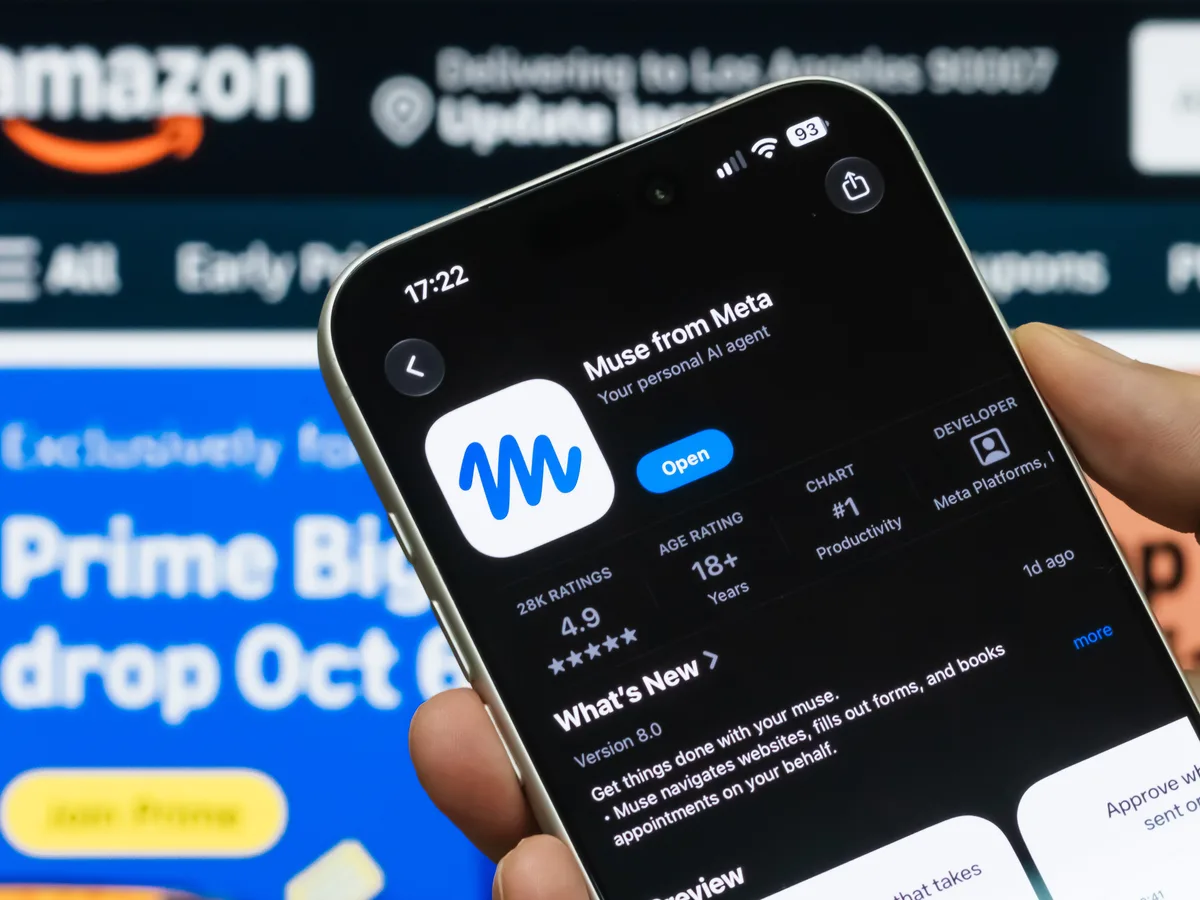
Meta has marketed its new agent , Muse, in a similar way.
That could come at a cost to insurers, airlines, banks, broadband providers, and subscription businesses — industries that have for decades benefited, at least in part, from consumer inertia: the millions of people who do not compare the renewal price, dispute the fee , call about the credit, or brave the cancellation maze.
Wall Street has already seemingly begun trading on that thesis.
In the two weeks after Muse launched, the share prices of Airbnb and Booking.com dropped 12% and 10%, respectively.
Planet Fitness shares dropped 17% over the same period.
No insurer or consumer experts Business Insider spoke to could put a reliable dollar figure on the potential impact.
5News aggregated this summary from the outlet’s public feed. The full article, with all the context, is on www.businessinsider.com — the content belongs to Business Insider.