Schools are starting to teach AI literacy
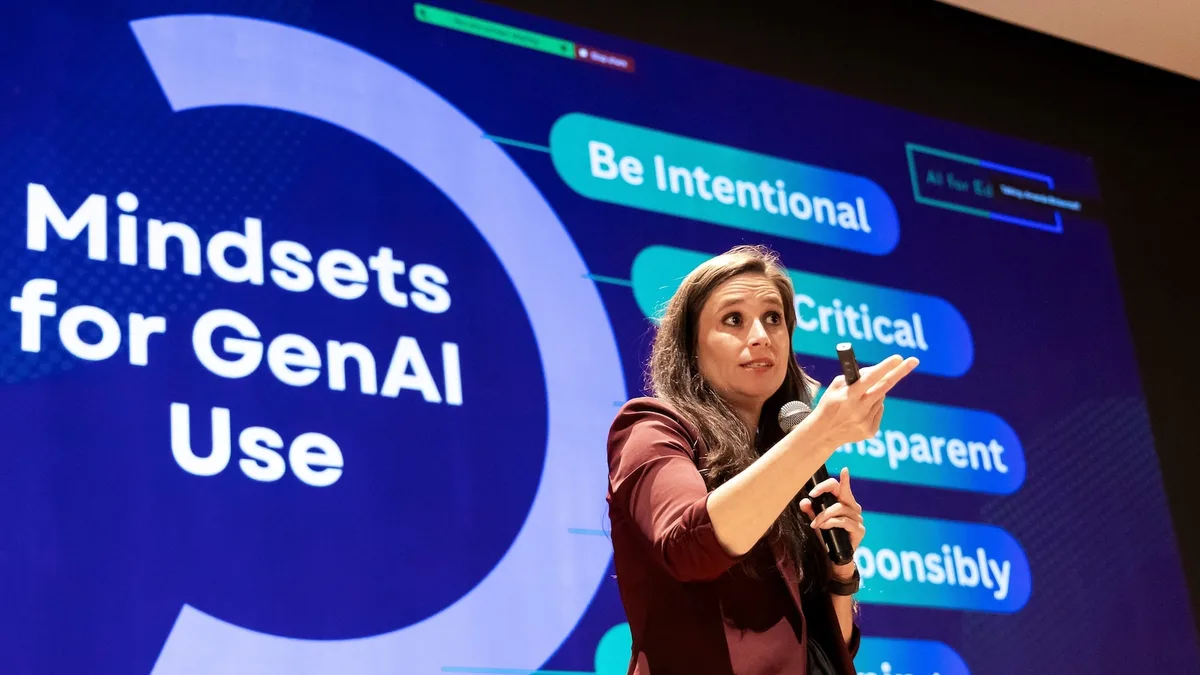
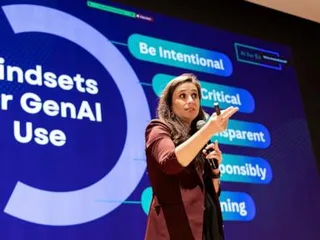
NORTH CHARLESTON, S.C. -- Artificial intelligence chatbots have become the bane of teachers everywhere, but to prepare for the new school year, a group of educators in Charleston, South Carolina, packed into a high school auditorium and talked about inviting AI into the classroom.
The teachers and principals watched as an instructor prompted an AI tool to “create a map of the world.”
The result drew gasps of disbelief and laughter. Projected on a large screen was a map riddled with bizarre errors . Mali was spelled “Mail.” Egypt was identified as “Sopth.” In place of Libya was something simply called “Africa.” Dozens of other countries' names were misspelled or written in pure gibberish.
“If you ever want kids not to over trust these tools, try the map demo,” said the instructor, Amanda Bickerstaff, founder and CEO of AI For Education, an organization that helps schools draft AI policies and train teachers and students in what she calls safe, ethical and effective use of the technology.
After initially trying to ban AI use, a growing number of U.S. public schools are trying a new strategy: encouraging classroom experimentation, partly so students can see its shortcomings, including generative AI’s notorious tendency to “hallucinate,” or fabricate information.
AI literacy has become a buzzword of this back-to-school season as educators try to strike a balance between equipping students with the skills they need for an AI-driven future while preventing them from outsourcing their thinking to chatbots.
There is no single definition of what AI literacy means, or how it should be taught. Tech giants like OpenAI, Google and Anthropic offer schools training sessions in how to use their AI tools . But for educators, there is a growing consensus that AI literacy is about more than learning how to use generative AI and write good prompts.
“Good AI literacy,” said Rebecca Winthrop, director of the Center for Universal Education at the Brookings Institution, “includes knowing when not to use it.”
Thirty-seven states have now published official AI guidance that schools can use as a blueprint. South Carolina is not one of them.
So the state’s second-largest school district set out to do it on its own, said Lucas Clamp, deputy superintendent of the 50,000-student Charleston County School District. “It has been a huge endeavor.”
A year ago, the district contacted AI for Education, which helped draft guidance for Chicago Public Schools, Houston and dozens of other districts.
Phase 1 was laying the foundation. The district developed an AI policy, seeking input from teachers, students and parents.
The district organized student focus groups and learned that student AI use was ubiquitous but unguided. Teachers and students said they were navigating the technology on their own and wanted clear rules and instruction.
Studies show a majority of teenagers and teachers nationwide are using AI for schoolwork, but they're teaching themselves how to use it; very few say they have a technical understanding or have received formal training on how it works.
5News aggregated this summary from the outlet’s public feed. The full article, with all the context, is on abcnews.go.com — the content belongs to ABC News Money.