Gen Z’s religious turn, the data center backlash and a ‘lack of consent’: how the youngest adults are winning battles the millennials lost
Gen Z is not supposed to be the religious generation.
Pollsters have spent two decades describing this cohort as the most secular in American history, the one that would finally break the chain of belief passed down from their grandparents.
New Harris Poll data shared with this publication suggests otherwise: 33% of Gen Z identifies as religious, compared with 18% of Boomers, 22% of Gen X and 19% of Millennials—making Gen Z the most religious-identifying generation in the survey.
Their “neither religious nor spiritual” rate, 19%, is the lowest of any generation measured, lower than Boomers at 23%.
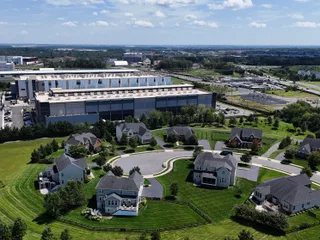
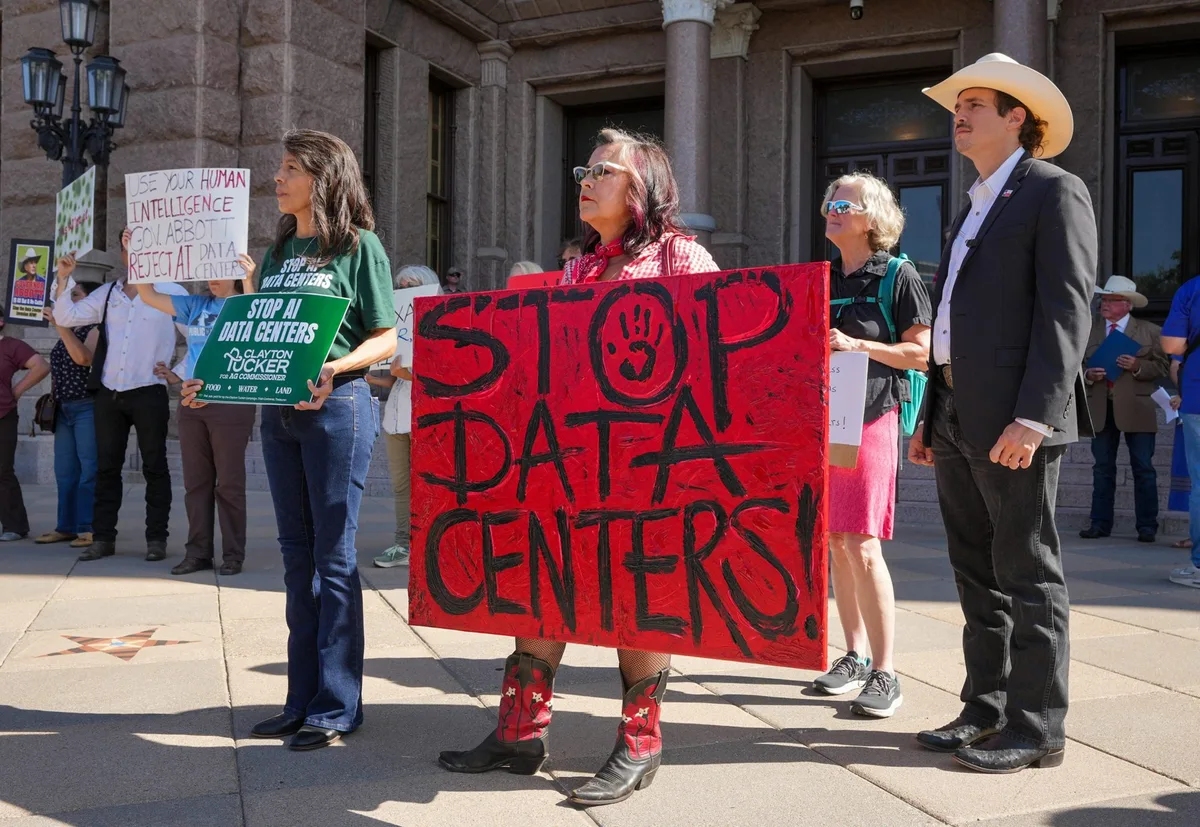
At the same time, Gen Z has become the organizing force behind a nationwide revolt against AI data centers, a movement that has blocked or delayed more than $228 billion in projects since the start of 2025, according to research group Data Center Watch.
More than 500 localities across 39 states have now passed bans, moratoriums or other restrictions on data center construction, and 843 opposition groups are active in 49 states.
Libby Rodney, chief strategy officer at The Harris Poll, wasn’t sure at first when Fortune asked if these were flipsides of the same story, but when put in context with the craze for “analog” trends in the developing AI economy, she responded, “I think you’re onto something” and explained there’s a “control element” underlying a lot of these responses.
Rodney’s polling suggests the data center fight and the religious turn are not parallel trends but expressions of similar underlying needs.
“There’s a control element,” she said of the religious data.
“That’s the reason that they are spiritual—they’re looking for some sense of agency and control.” Her research found 57% of Gen Z say they turned to spirituality or manifestation practice specifically to feel greater control over their future, while 60% say they belong to more real world and in-person communities than they used to, and 70% say they want to belong to even more of them in the future.
“The real thing that you can see is there’s just no consent,” Rodney said in an interview.
“This idea that the world—the narrative that’s out there from tech companies—is like this AI world is happening whether you like it or not.
And so there’s this lack of consent.” A Movement With Numbers Behind It The scale of the data center backlash is a constant on the eve of America’s midterm elections.
Local pushback blocked or delayed 45 projects worth $68 billion between April and June of this year alone, according to Data Center Watch, following an even larger $130 billion disruption in the first quarter — the largest single-quarter total on record.
5News aggregated this summary from the outlet’s public feed. The full article, with all the context, is on fortune.com — the content belongs to Fortune.