Friday, August 21, 2026 SourcesAbout🌓
🇺🇸 US ▾
BREAKING
Dominion still has pending lawsuits against election deniers such as Rudy Giuliani and Sidney Powell Russia is 'going backwards' in equipment and deploying post WWII-era tanks, according to Western officials Podcast: One country musician is calling for other artists to oppose assault rifles Bidets save you money and reduce waste — we tested the best options out there 50+ products to make your life easier and our planet cleaner Mother's Day is around the corner. Here are 50+ thoughtful gifts she'll love A head-to-toe guide of how men should dress this spring, and where they should shop 42 of the most useful travel products you can buy on Amazon The 7 best high-yield savings accounts of April 2023 Taxes are due tomorrow. Here's how to file for an extension Dominion still has pending lawsuits against election deniers such as Rudy Giuliani and Sidney Powell Russia is 'going backwards' in equipment and deploying post WWII-era tanks, according to Western officials Podcast: One country musician is calling for other artists to oppose assault rifles Bidets save you money and reduce waste — we tested the best options out there 50+ products to make your life easier and our planet cleaner Mother's Day is around the corner. Here are 50+ thoughtful gifts she'll love A head-to-toe guide of how men should dress this spring, and where they should shop 42 of the most useful travel products you can buy on Amazon The 7 best high-yield savings accounts of April 2023 Taxes are due tomorrow. Here's how to file for an extension
Technology

Thunder + fiber-optic cabling used for seismic imaging
Ars Technica ·
Thunder + fiber-optic cabling used for seismic imaging

Most of what we know about the Earth's interior comes from observing seismic waves.

These travel at somewhat different speeds depending on the details of the rock they're moving through—whether it's solid or semi-molten, how much water is present, whether it's fractured or solid material, and so on.

Get enough data from enough seismic events, and you can start piecing together a picture of what's present at different depths below the surface.

In many cases, we can get this data from naturally occurring events like earthquakes.

In others, we intentionally create waves using things like explosives, providing the opportunity to do imaging in specific areas without needing to wait for an earthquake.

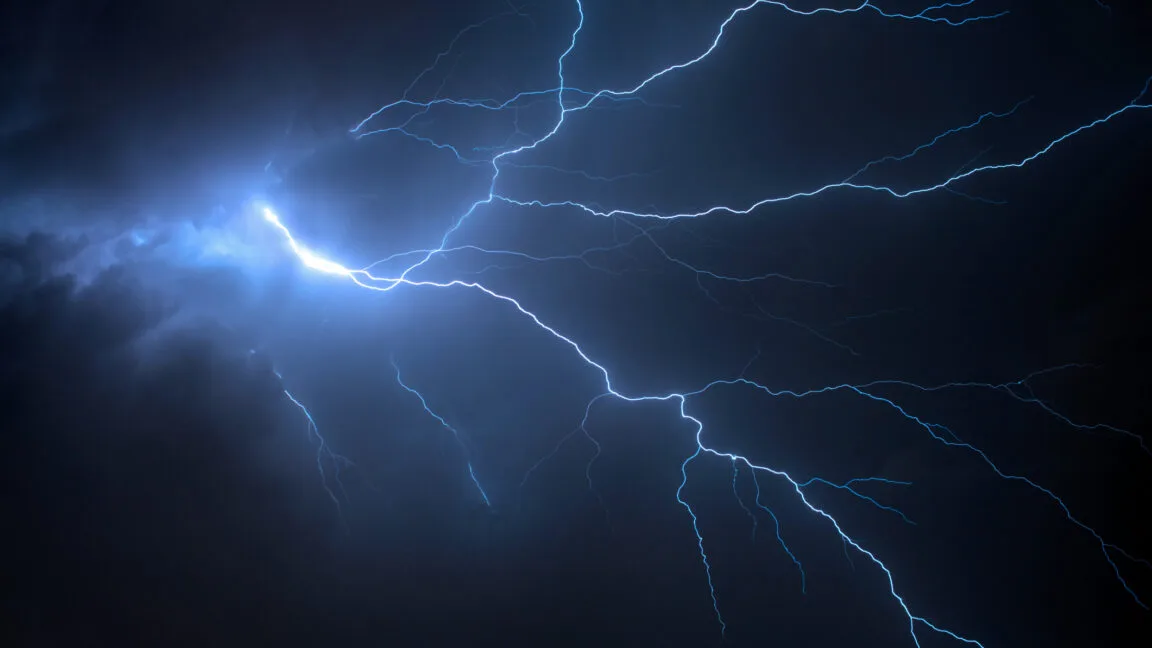
Now, a team of scientists at Penn State suggests there's a potential option that sits between waiting for an earthquake and triggering your own seismic event: thunderstorms.

Some of the energy carried by thunder enters the Earth's upper crust, triggering what are termed "thunderquakes." But, for various physical reasons, the seismic signals are extremely complex, making it difficult to extract clear signals from them.

The Penn State team says it has finally constructed a model that can help make sense of this complexity and used it to reconstruct the terrain under the local campus.

Read full article Comments

Read the full article on Ars Technica ›

5News aggregated this summary from the outlet’s public feed. The full article, with all the context, is on arstechnica.com — the content belongs to Ars Technica.


More from Ars Technica

See all ›

More in Technology

See all ›