Kenya triples its power target, aiming to expand use of nuclear and geothermal energy
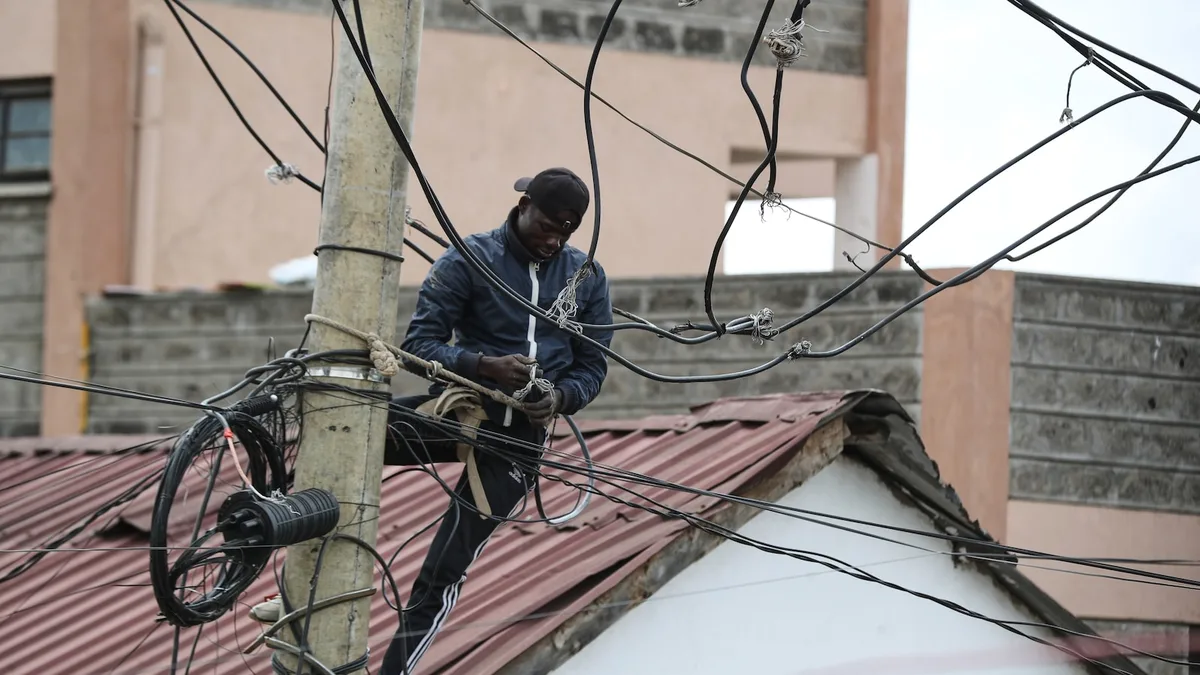
Kenya has tripled its long-term target for expanding its renewable power capacity to meet surging demand and support its industrialization, but that might not result in more affordable power for consumers
NAIROBI, Kenya -- Kenya has tripled its long-term target for expanding its renewable energy capacity to meet surging demand and support its industrialization, but that might not result in more affordable power for consumers.
The plan calls for renewable power generating capacity of 5,500 megawatts, up from about 1,500 MW now. That would include 2,000 MW of nuclear power alongside 700 MW of hydropower and new geothermal projects.
That will strengthen the country’s position as a global leader in renewable energy. Kenya already produces 93% of its electricity using renewable sources. But experts say that reforms for utility contracts, electricity grids, financing and pricing are needed to translate clean energy growth into lower cost power for consumers.
"We have recalibrated our long-term growth trajectory from 1,500MW to a 5,500MW renewable energy development pipeline,” said Peter Njenga, CEO of KenGen, the state-owned utility that produces about 60% of Kenya's power.
Lawmakers have been pushing the government to reduce electricity rates. In July, the parliament directed Energy Minister Opiyo Wandayi to develop a policy for renegotiating electricity supply agreements with major power producers. Lawmakers said lower wholesale prices could create more leeway for Kenya Power to cut consumer rates without damaging its finances.
Energy experts say Kenya needs to focus less on building new generation capacity than on making electricity cheaper.
“The answer to this conundrum is not as straightforward as it may seem,” said Mugwe Manga, climate finance lead at the nonprofit FSD Kenya. “One must look at the entire energy system holistically to understand the drivers of the end cost of power.”
Unlike countries like Morocco, Egypt and China, Kenya provides limited direct subsidies to cushion electricity prices. While renewable generation costs are broadly competitive, consumers ultimately bear the burden of financing costs, transmission and distribution losses, taxes, and foreign exchange movements.
Latest data show that industrial consumers in Kenya pay between $0.18 and $0.23 per kilowatt-hour, compared with about $0.03 in South Africa and Egypt, and $0.05 in Morocco and Ethiopia.
“The perception that electricity is expensive is subjective,” Kenya Power CEO Joseph Siror said in an earlier interview.
5News aggregated this summary from the outlet’s public feed. The full article, with all the context, is on abcnews.go.com — the content belongs to ABC News Money.