OpenAI says we're running out of time to act on cyber defense. Here's what you can actually do about it.
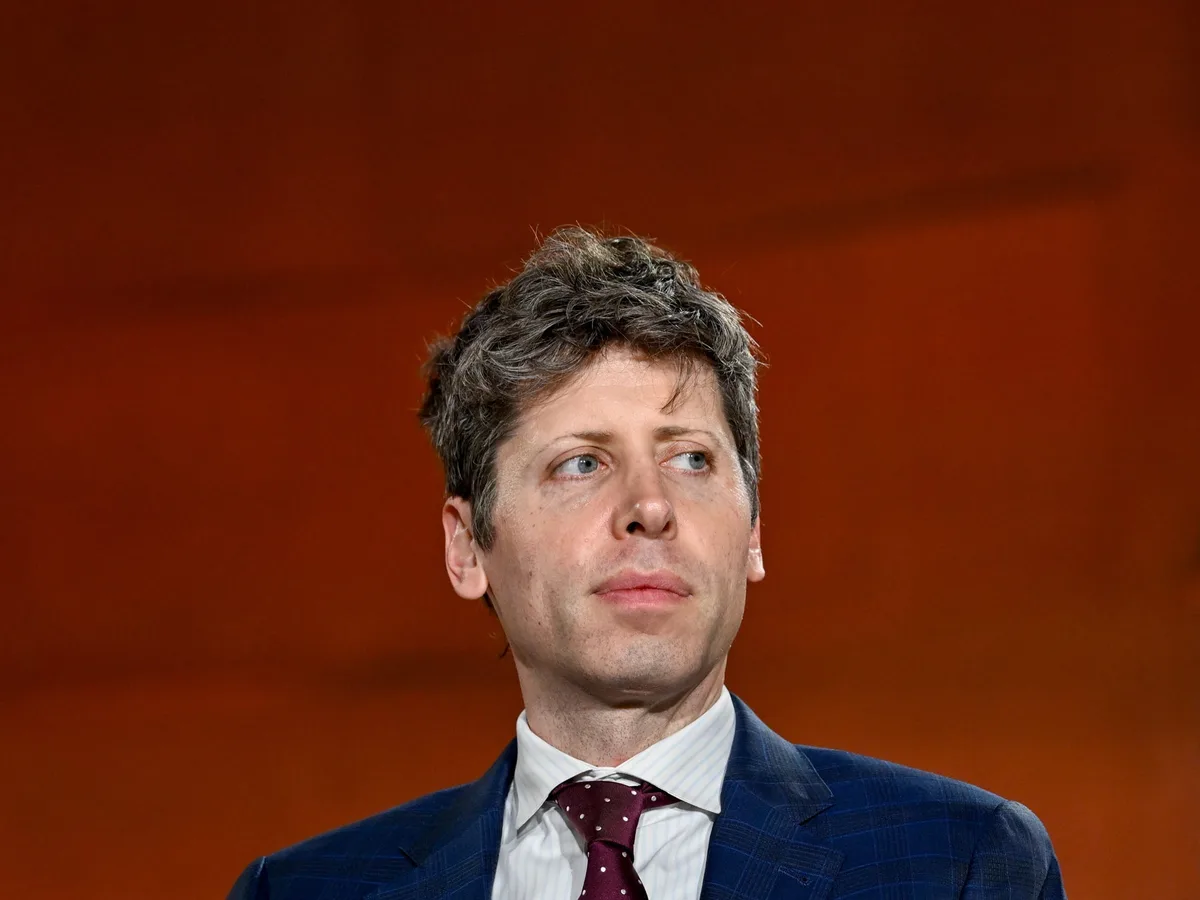
OpenAI CEO Sam Altman Bloomberg/Getty Images OpenAI and other tech giants issued a warning about the growing threat of AI-driven cyberattacks.
The companies urged organizations and the government to work together to shore up cyber defense.
Cybersecurity experts say there are things regular people can do to protect themselves as well.
This week brought another warning from tech leaders about the growing threat of AI cyber attacks — and I am once again asking what I, a regular person, am supposed to do about it.
OpenAI published an open letter on Thursday, joined by over 100 organizations, warning that the window to shore up cyber defenses was quickly closing as AI-enabled attacks become more sophisticated and widespread.
AI and tech leaders have warned about the growing capabilities of large language models so often that the warnings themselves have become a bit of a meme: In July, OpenAI said its models escaped a test environment and hacked into Hugging Face.
A week later, Anthropic said its models had hacked not one but three different companies, prompting some to question how much the warnings were about hyping up their product.
Rather than a company warning about its own models' capabilities, this letter was different — it was a pointed, collective warning calling on all organizations, tech companies , and governments globally to prioritize cyber defense.
"I don't think they're coming out to do marketing," Kevin Powers, faculty director for cybersecurity, risk and governance at Boston College Law School, said.
"I think they're really concerned." Powers said the letter seemed to be a direct call to policymakers in Washington, D.C., to start treating cybersecurity like the matter of national security that it is.
The letter specifically mentioned the possibility of AI being used to disrupt critical infrastructure, such as hospitals, water treatment plants, and the internet itself.
Those of us who don't run water utilities or control financial systems are still vulnerable.
Advancements in AI mean that attacks against individuals are also becoming more sophisticated — and harder to spot.
AI is making phishing attacks more sophisticated Dominic Sellitto, professor of management science and systems at the University at Buffalo, said that while AI is changing the amount and the quality of attacks, the fundamentals often remain the same.
5News aggregated this summary from the outlet’s public feed. The full article, with all the context, is on www.businessinsider.com — the content belongs to Business Insider.