UAE accuses Iran of Hormuz attacks as Vance says cheap gas is "goal number one"
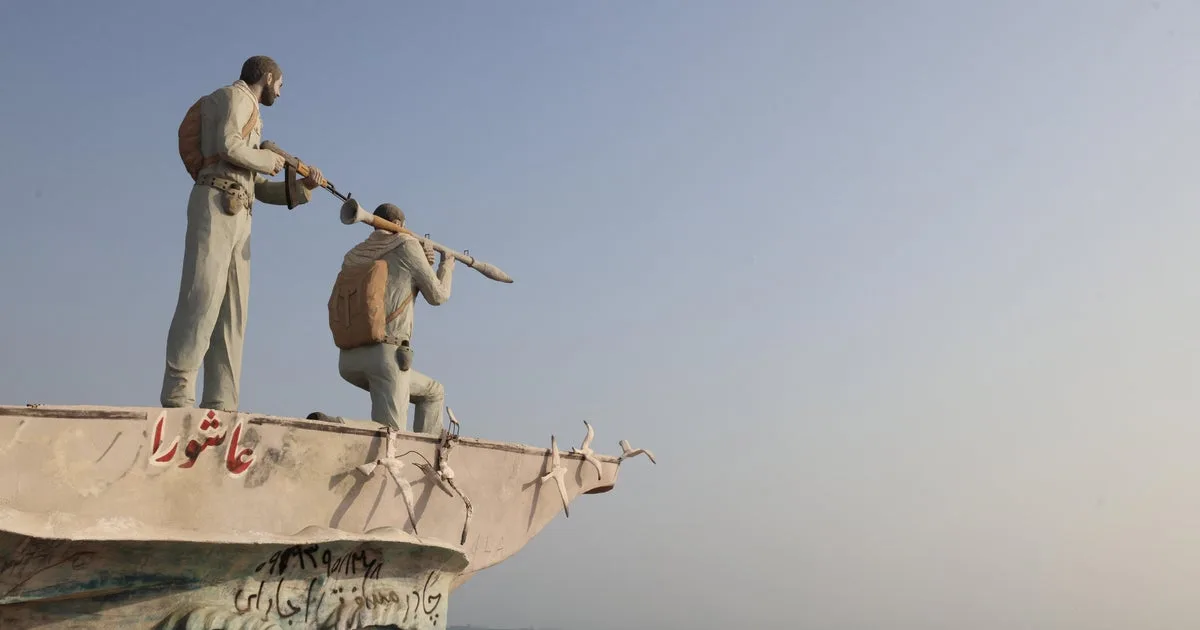
The United Arab Emirates on Friday blamed Iran for attacks on two vessels linked to its state-owned oil company as they passed through the Strait of Hormuz a day earlier.
Iran has imposed an effective blockade of the strait, frequently attacking commercial ships, and wants to charge users for passage, which the U.S. fiercely opposes.
The UAE foreign ministry denounced what it called "the hostile Iranian attack" targeting two vessels affiliated with the Abu Dhabi National Oil Company (ADNOC) "with no injuries reported."
ADNOC confirmed "two of its vessels were attacked while transiting" the waterway on Thursday evening, adding the situation was "brought under control," the official WAM news agency reported.
On Friday, the United Kingdom Maritime Trade Operations (UKMTO) reported two identical incidents of drone strikes on tankers in Hormuz a day earlier, causing minor damage but no casualties.
It was not clear whether they were referring to the ADNOC-affiliated ships.
"UKMTO has received reports from military authorities that a tanker was struck by a Uncrewed Aerial Vehicle (UAV) whilst conducting an outbound transit of the Strait of Hormuz. The vessel was subject to minor damage, crew are reported as safe and accounted for and no environmental impact has been reported," it said in both statements.
Last week, ADNOC had said three of its tankers had been attacked in the strait, with the UAE foreign ministry reporting an attack on an ADNOC tanker a day later.
Treasury Secretary Scott Bessent is threatening to subject Iran to economic isolation "like the world has never seen before," adding that new measures are expected next week.
"It will be a combination of economic isolation, like the world has never seen before," Bessent told conservative television network Newsmax Thursday, adding that "the continued blockade in the Strait of Hormuz ... will keep anything from going in or out of the Iranian ports."
Bessent described a two-pronged approach featuring financial pressure and a physical blockade of Islamic republic's ports.
Vice President JD Vance said earlier that the top U.S. priority in the Iran war was bringing oil and gasoline prices down for Americans, with preventing Tehran from acquiring a nuclear weapon now ranking second.
The tougher stance contrasts with remarks by Bessent on August 4, when he told CNBC an agreement with Tehran to reopen the strait could be reached within days.
The U.S. military's Central Command called a spate of news reports about dire conditions aboard the USS Abraham Lincoln aircraft carrier "false."
5News aggregated this summary from the outlet’s public feed. The full article, with all the context, is on www.cbsnews.com — the content belongs to CBS News.