Alaskans will decide fate of ranked choice voting system after chaotic end to state's primary
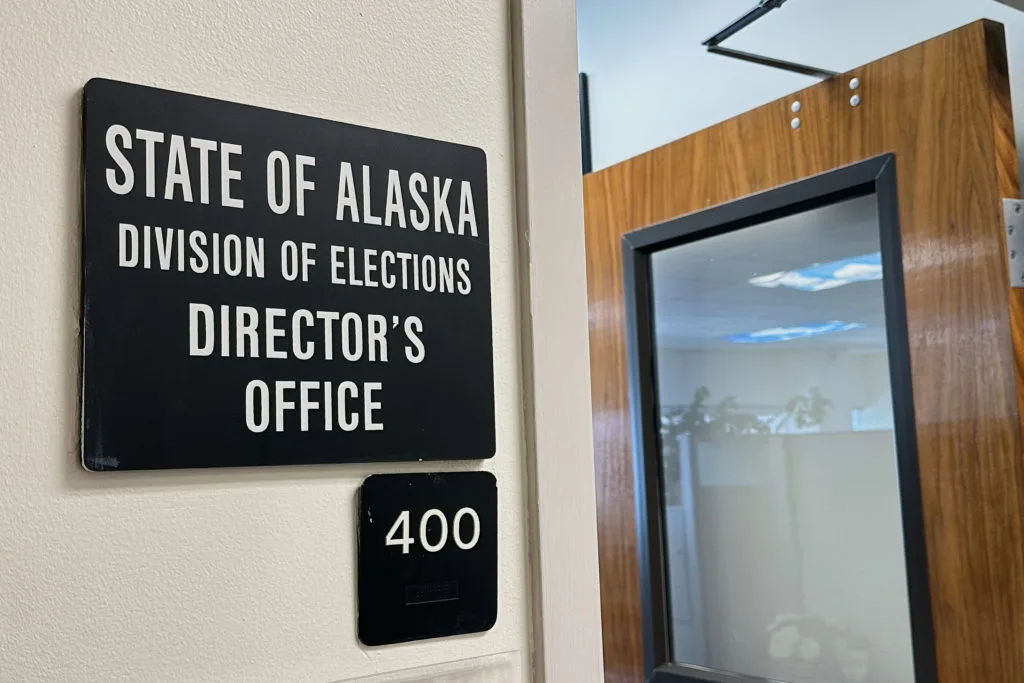
JUNEAU, Alaska (AP) — Even after the last votes were counted from Alaska's primary election, the final slate of candidates was far from settled.
Late withdrawals shook up the races for governor, U.S. Senate and U.S. House, leaving many voters upset with candidates who dropped out after winning a spot in November's general election or cursing others who stayed in.
Some were quick to blame the upheaval on Alaska's unique elections system that combines open primaries, where the top four vote-getters advance, with general elections run under a ranked choice system.
The August primary revealed some of the headaches related to a major change in how Alaska voters select their candidates and was the latest example of how the real-world experience of state voting changes don't always line up neatly with expectations. California Democrats earlier this year worried they might get shut out of the state's top-two primary for governor out of fears they were running too many candidates.
Alaska voters will once again be asked to decide whether to keep or scrap their election method this fall. Maine is the only other state using ranked choice voting for its statewide races.
"We need to make things much more transparent and predictable and understandable by the general public so that we can truly have trust in our democracy again," said Matt Schultz, a Democrat who suspended his U.S. House bid before the primary.
He plans to support keeping the system in place but said it is a complicated decision. He thinks adjustments can be made and sees the role big money plays in elections as a major factor that discourages candidates.
Alaska first used the voter-approved top-four primary and ranked choice general election system four years ago, and two years ago narrowly rejected an effort to repeal it. Supporters have credited the system with having a moderating effect on the Legislature in what has long been a Republican-led state, with both chambers controlled the past two years by bipartisan coalitions.
That was one of the intentions when supporters originally placed ranked choice on the ballot, to introduce a voting system that could reduce partisanship by opening a door to more candidates who would need to work beyond their traditional bases for support.
An unintended consequence is what happened after voting ended in this summer's primary. At least five candidates between the races for the U.S. Senate, U.S. House and governor dropped out after advancing.
Tom Begich was among them. After a one-two finish by Democrats in the governor's primary, some voters were angry when Begich, who finished second, withdrew and endorsed leading vote-getter Jonathan Kreiss-Tomkins.
The race is now a matchup with Kreiss-Tomkins and Republicans Bernadette Wilson, Dave Bronson and Treg Taylor. Some Begich supporters said they felt their votes didn't matter and that they were robbed of a chance to rank the candidates in the general election. Others said they trusted Begich's judgment.
Begich's campaign said staying in the race would have required millions of dollars. It said information the campaign reviewed showed the best path forward was to unite behind one candidate.
5News aggregated this summary from the outlet’s public feed. The full article, with all the context, is on www.pbs.org — the content belongs to PBS NewsHour.