The Pentagon’s new plan to track troops’ blast exposure and brain health has run into problems, watchdog says
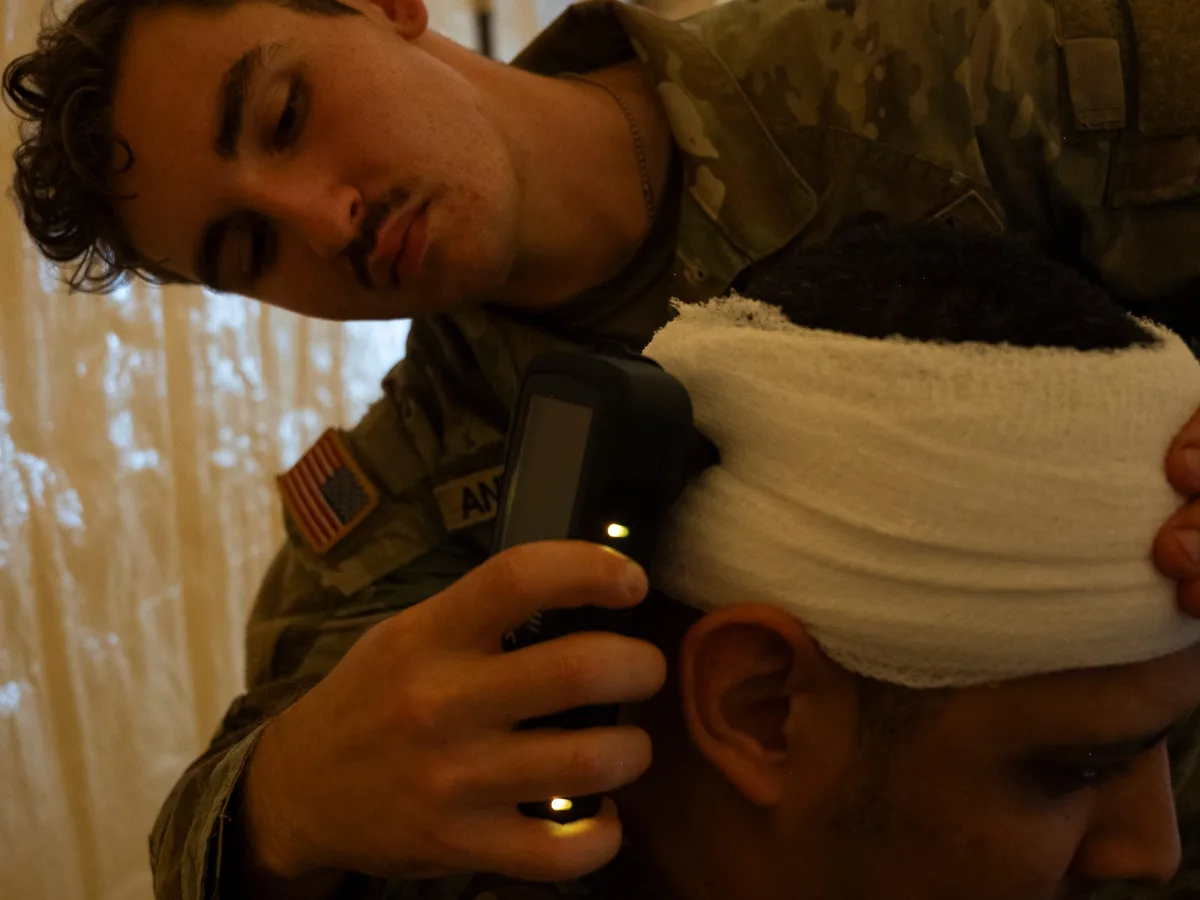
An Army combat medic operates an intercranial hemorrhage assessment device during a Soldier touchpoint event U.S.
Army Photo by T.
T.
Parish/Released The Pentagon faces challenges in monitoring troop brain health, a GAO report highlighting resource gaps says.
The effects of blast overpressure exposure can be jarring and have serious consequences.
The US military is struggling to conduct cognitive tests for blast exposure due to staffing and equipment shortages.
The Pentagon has struggled to implement a new system meant to monitor service members' brain health and document exposures to shock waves produced by weapons, a government watchdog found.
The Defense Department has begun requiring cognitive assessments for newly enlisted troops and active-duty personnel in jobs considered at high risk for blast exposure.
But the military services lack sufficient staff, equipment, and other resources to complete all of the required assessments, according to a new Government Accountability Office rep o rt released last week.
In 2024, the Pentagon directed the services to begin tracking service members' potential exposures to blast overpressure — the forceful waves generated when certain weapons are fired or when explosives detonate — and set new requirements for how far troops should stand from certain weapons when they are fired.
Troops who work in artillery, infantry, explosive ordnance disposal, and some aviation jobs are among those considered at increased risk of exposure , the report said.
The new requirements came amid growing concern that repeated exposure to blast waves in training and combat can affect brain health.
Troops who've been exposed to blast overpressure may report headaches, slower cognitive processing, trouble concentrating, and memory problems after exposure.
Repeated exposure can also contribute to traumatic brain injury , the effects of which can last a lifetime.
5News aggregated this summary from the outlet’s public feed. The full article, with all the context, is on www.businessinsider.com — the content belongs to Business Insider.