The Growing Lawlessness in California’s Forests
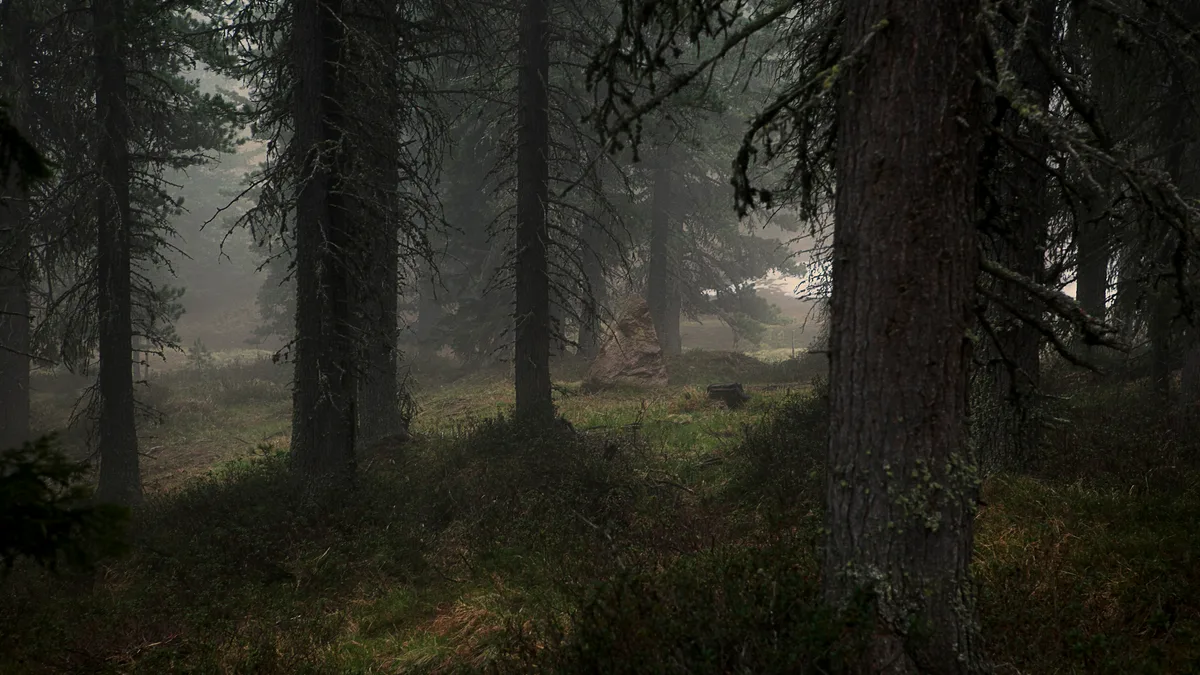
O n the day of the kidnapping , the campground at Gumboot Lake happened to be nearly empty, so Joseph Charles Henrichsen was one of the only people to see the two Forest Service biologists pull up in their pickup truck.
Federal employees didn’t visit all that much—campers who’d been coming to the small alpine lake for years told me they’d never seen a ranger on patrol in these Northern California woods.
But some of the regulars had noticed the “frog people,” as one called them, quietly collecting their specimens the previous summer.
These particular biologists, both women, were there to survey the Cascades frog, whose well-being can help signal the health of the overall ecosystem.
People at Gumboot Lake tended to give one another space, but that July morning, Henrichsen approached the biologists as they worked.
He was holding, authorities would later allege, an AR-15-style assault rifle, and told the biologists to turn around and put their hands in the air.
He zip-tied their wrists behind their backs and ordered them to walk to his camping trailer, parked at a site strewn with crates and refuse, the clothesline heavy with towels.
His 23-year-old son, Phoenix, made room for the biologists inside.
What Henrichsen’s intention was that day—what he thought he might achieve by abducting two government scientists, whether he had a clear motivation at all beyond an impulse of self-righteousness and a loaded gun—remains uncertain.
Before long, he escorted one of the biologists back to their Forest Service truck.
He drove several miles with her down a winding road along the Sacramento River.
Glimpses of Mount Shasta, the volcano looming to the east, reared up through the trees.
Along the way, he made calls, according to the FBI.
He spoke with a Forest Service ranger and left a message with another person who has not been identified.
5News aggregated this summary from the outlet’s public feed. The full article, with all the context, is on www.theatlantic.com — the content belongs to The Atlantic.