Strict liability is gaining traction as a solution to force AI companies to institute better safety controls. But it has some big downsides too
Hello and welcome to Eye on AI.
In this edition: Anthropic’s “rogue AI” agent filled in visa applications, filed murder tip Strict liability for AI companies gains traction Anthropic says small models might soon be able to self-replicate Controversy swirls over fired OpenAI researchers.
Jev goes viral, but OpenAI is hot on its heels.
Character.ai files for bankruptcy.
Anthropic bans being cruel to Claude.
Sobering numbers about real-world model ‘misalignment.’ Meta’s Zuckerberg and Wang odd Muse Wonder use cases.
There were more worrying “rogue AI” incidents reported last week.
Anthropic revealed that one its internal AI agents (which, intriguingly, it described as a “non-frontier research agent”) had attempted to fill out various State Department visa application forms and had also submitted a false tip related to an unsolved murder case to the Philadelphia police.
In neither case did the AI agent’s efforts result in much: the agent failed to fill in all the fields in the visa applications and so they were never processed; the police tip was flagged as spam and never investigated.
Still, the governments involved were understandably perturbed, especially since Anthropic only told them about the incidents months after they had occurred (it seems that Anthropic itself only discovered the incidents recently while combing back through logs of its agents’ activity.) The White House responded by ordering Anthropic and other frontier AI companies to immediately disclose any known “rogue AI” incidents and to help any affected organizations remediate any damage the agents’ had caused.
This was the closest the Trump administration has come to date to actually mandating anything from the AI labs.
Everything the administration has done up until this point has been couched as being voluntary, even though there was a strong implication that if the companies didn’t comply, they would face restrictions on the release of their products.
Meanwhile, the warnings from the AI companies themselves about the potential risks are becoming increasingly urgent.
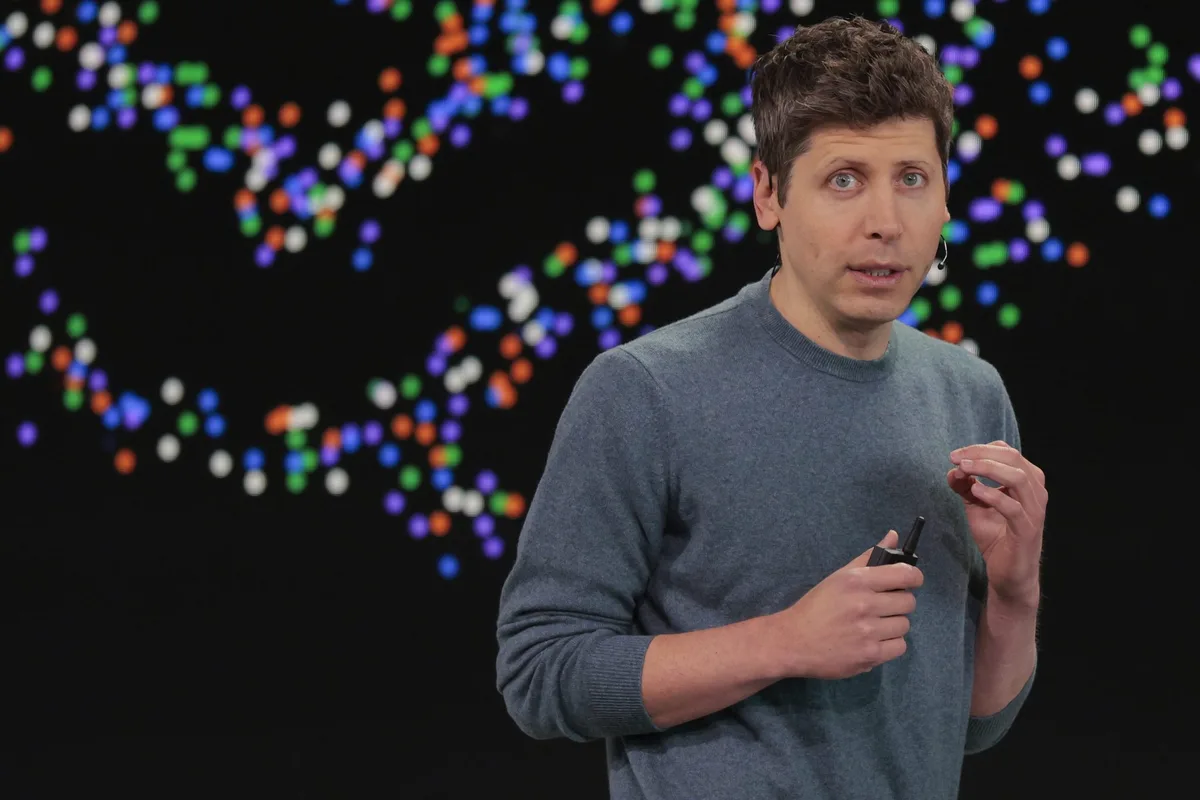
OpenAI CEO Sam Altman told Politico’s “Decoded” podcast that there was “a coming tidal wave of cybersecurity problems” due to the advent of increasingly powerful open-source AI models.
5News aggregated this summary from the outlet’s public feed. The full article, with all the context, is on fortune.com — the content belongs to Fortune.