Can cooking for terrorists bar asylum? Supreme Court takes up unusual case with broader immigration stakes
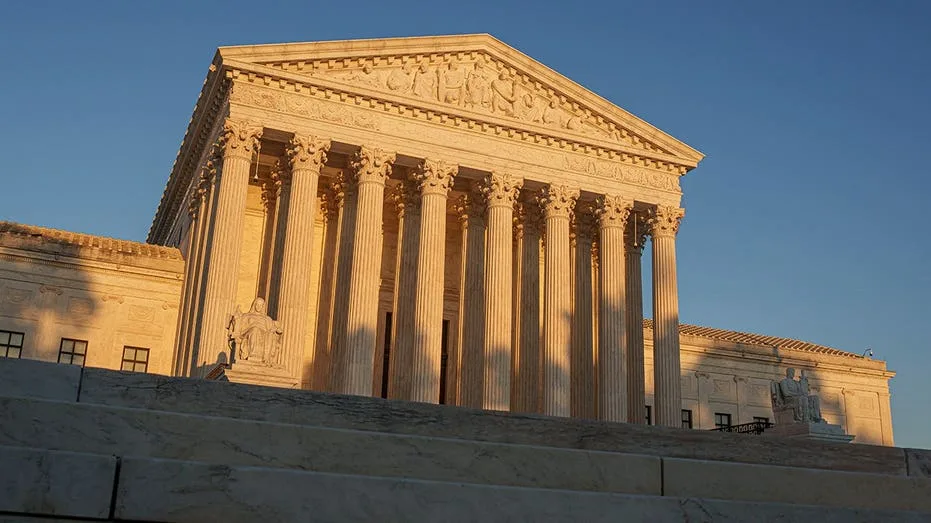
A Nigerian man forced to cook thousands of meals for the Unknown Gunmen, a militant group linked to political violence in Nigeria, is at the center of a Supreme Court showdown that could determine how broadly immigration authorities can apply a terrorism-related bar to asylum, and how far the Trump administration can go in deporting immigrants accused of supporting terrorism.
The Supreme Court agreed Tuesday to hear the Trump administration's challenge to a ruling that overturned Nigerian citizen Izuchukwu Ozurumba's deportation order, setting up a legal battle over whether ordinary services provided to terrorist organizations, including cooking meals, can disqualify immigrants from receiving asylum even when those services are not directly connected to terrorist attacks.
Ozurumba was deported to Nigeria in April 2025 while his appeal was pending.
At the center of the case is a provision of the Immigration and Nationality Act that bars certain immigrants who provide "material support" to terrorist organizations from receiving asylum.
The law lists examples of prohibited assistance, including transportation, communications, housing, money, weapons and training, but does not explicitly define what constitutes material support.
"The biggest takeaway is that this is a case about who gets to draw the line on a law that affects national security," Bryce Poole, a senior legal fellow with Advancing American Freedom told Fox News Digital.
"Congress wrote a broad rule, and the court interpreted it narrowly." The case also comes two years after the Supreme Court overturned Chevron deference , a legal doctrine that required judges to defer to federal agencies' reasonable interpretations of ambiguous laws.
The 2024 ruling gave judges greater authority to decide what those laws mean.
THE SUPREME COURT IS BACK.
THESE FIVE CASES COULD RESHAPE AMERICAN LIFE The Fourth Circuit, in a 2-1 ruling , overturned Ozurumba's deportation order and sent the case back to the Board of Immigration Appeals .
Judge James Wynn Jr., an Obama appointee, wrote the majority opinion, joined by Judge Nicole Berner, a Biden appointee.
The judges concluded that although Ozurumba prepared thousands of meals for the group's leaders, his cooking did not provide resources that could be directly used or readily redirected toward terrorist operations.
Although Ozurumba said he was forced to cook under threat of violence, the Fourth Circuit did not decide whether the law contains an exception for assistance provided under duress — an issue the court previously addressed in a 2012 ruling that relied on Chevron deference.
5News aggregated this summary from the outlet’s public feed. The full article, with all the context, is on www.foxnews.com — the content belongs to Fox News Politics.