What happens if you pay less than the minimum on your credit card?
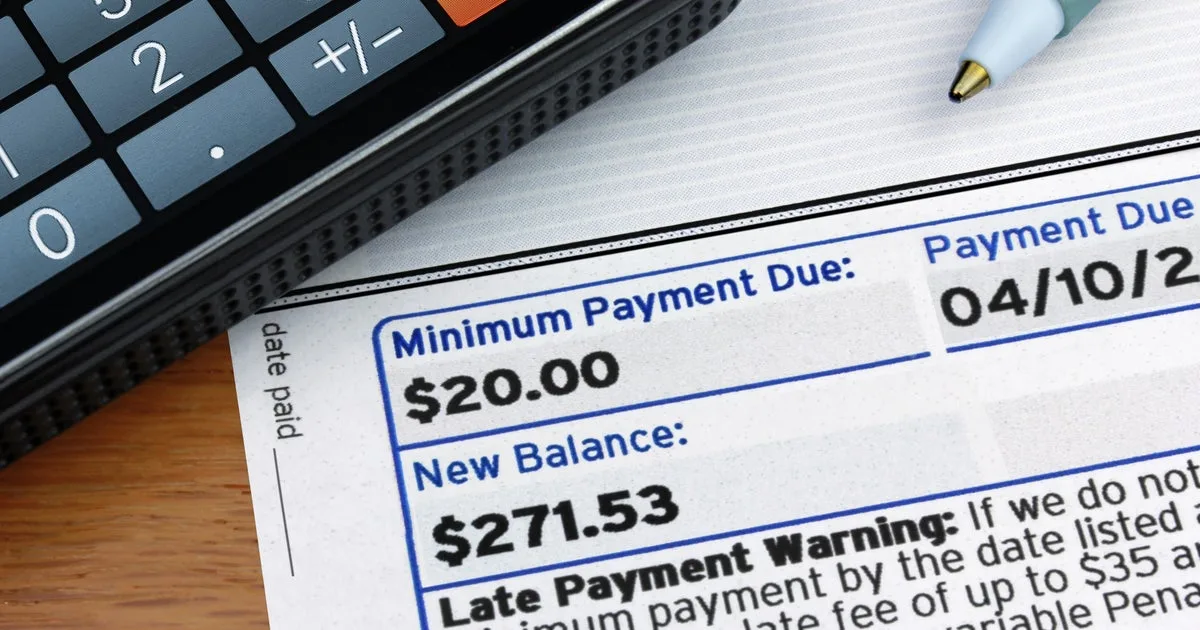
If you're carrying a high balance on your credit cards but your finances are stretched thin, making the minimum payment each month can provide some much-needed breathing room in your budget. Rather than having to pay off the entire card balance at once, you only have to cover a fraction of what you owe to keep the account current on a monthly basis. But when other expenses are competing for the same limited funds, even that smaller monthly obligation can become difficult to fit into the budget.
And that's an issue more cardholders may be confronting right now, as credit card balances are climbing , card rates are ticking upward and high interest charges are making carrying this type of debt expensive. When there's only so much money available to cover housing, groceries, utilities and other necessities, coming up short on a credit card payment can become a real possibility — even if you're still able to send the issuer some of what you owe.
In that situation, paying $150 toward a $200 minimum may seem like a reasonable way to show that you're making an effort while buying yourself some extra time. Credit card payments don't necessarily work that way, though. So what happens if you pay less than the minimum that's owed on your credit card? That's what we'll examine below.
Find out if you qualify for help with your high-rate credit card debt .
In order for a credit card payment to be considered on time, you must pay at least the minimum amount due by the deadline. If you pay less than the minimum, it's classified as a late payment , and the card issuer may charge a late fee in return. For example, sending $190 when your statement says you owe a $200 minimum doesn't typically satisfy your payment obligation.
When that happens, it can make an already difficult situation more expensive. Not only will interest generally continue accruing on the unpaid balance, but that late fee will add to what you owe. And, depending on the terms of your card agreement and payment history, missing the required minimum could also cause you to lose a promotional APR or potentially trigger a penalty APR on new purchases.
Your credit could eventually be affected, too. A payment that's just a few days late isn't generally reported immediately to the credit bureaus, but if the account remains unpaid long enough to become 30 days past due, the issuer may report the delinquency . That can damage your credit score and make borrowing more difficult or expensive in the future.
Making a partial payment doesn't reset that clock, either. If you owe a $300 minimum payment and pay only $100, for example, you haven't satisfied the required payment simply because the issuer accepted the money. You would generally need to bring the account current according to the issuer's requirements to avoid the delinquency progressing further.
The situation can become even more serious if you continue falling behind. Additional missed payments — whether they're due to partial payments or full missed payments — can lead to further credit damage, account closure, and, eventually, a charge-off or collections activity .
5News aggregated this summary from the outlet’s public feed. The full article, with all the context, is on www.cbsnews.com — the content belongs to CBS News.





