Everyone Wants a Paramount Settlement. First, Look Under the Hood
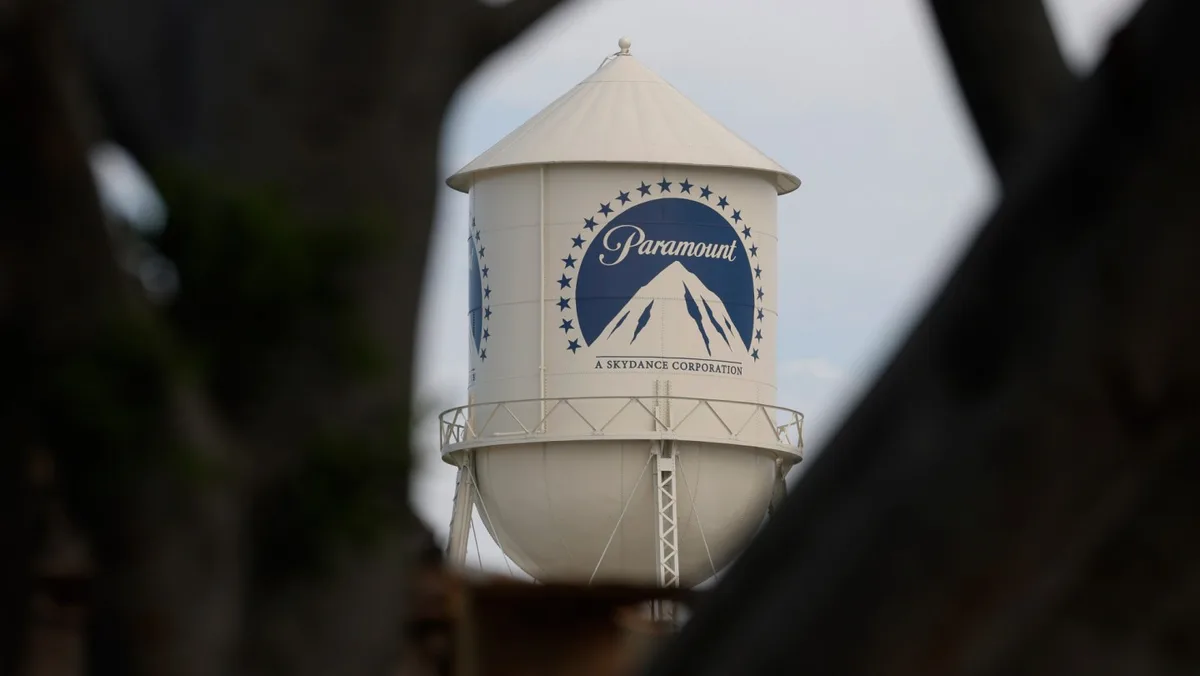
Twelve state attorneys general, the directors’ and crew unions, the theater owners, and much of the industry disagree on almost everything in the Paramount – Warner Bros. Discovery case. They agree on one thing: they would all prefer a settlement. The Directors Guild and IATSE have jointly urged Attorney General Rob Bonta and David Ellison to pursue a negotiated resolution. The theater owners group, Cinema United, which opposed the merger, now seeks a settlement with enforceable protections. The three largest exhibitors have endorsed the deal after receiving commitments on theatrical output and release windows. Political leaders, including Gov. Gavin Newsom, likely successor Xavier Becerra and L.A. Mayor Karen Bass, have joined in.
I understand the impulse. I share it. No one in this industry benefits from another year of limbo. Not Warner Bros. Discovery, not Paramount, and certainly not the writers, directors, crews, vendors, and communities whose livelihoods depend on production that companies in limbo may not greenlight.
A word about where I stand. I have publicly written against this merger more than half a dozen times, and you should keep that in mind as you read. That is why this piece points to numbers rather than conclusions. The numbers do not care what I think.
So why isn’t there a settlement? Lets set the antitrust case aside entirely. The easy explanations are personalities, politics, and litigation strategy. I think the real answer, at least for much of the public support, is duller than any of those. The economics are extraordinarily difficult, and most of the people calling for a settlement have not examined them. The short version: the acquisition’s financing depends on savings that the protections everyone wants would prohibit.
Much of the public discussion centers on what Paramount might promise: a minimum number of theatrical films, minimum windows, continued production in California, employment protections, and licensing commitments. These are legitimate subjects for negotiation. But a promise is only worth what the promisor can afford, and that is where the discussion has to move from the surface of this transaction to what lies beneath.
The parties describe a transaction with an enterprise value of $111 billion. The financing would leave the combined company with more than $80 billion in debt and roughly $3 billion in annual free cash flow. The company has committed to achieving investment-grade metrics within a few years and has set a synergy target of over $6 billion. I have prepared a detailed analysis of that capital structure and how it would change under the different ways this deal could end. The purpose is not to tell anyone what to conclude. It is to put the numbers in one place so people can draw their own conclusions.
I want to be careful about what I say and what I do not say. This is not a question of whether David Ellison sincerely intends to make more films and invest in content. I have no reason to doubt that he would like to do all of it.
5News aggregated this summary from the outlet’s public feed. The full article, with all the context, is on www.hollywoodreporter.com — the content belongs to The Hollywood Reporter.