The People—OK, the Men—Who Still Love Bitcoin
The Venetian Resort, at the heart of the Las Vegas Strip, is already a surreal place—the interior includes an indoor St. Mark’s Square with chlorine-blue canals, old-timey lampposts, and a painted blue sky. This spring, however, the casino offered an even stranger spectacle when a Bitcoin convention filled the expo hall. It was odd enough that most people in the crowd were wearing fluorescent orange, but stranger still was this rarity: the sight of a group of diverse men full of hope.
In fact, hope was the official policy of the event. A sign at check-in offered a brief list of what was not permitted inside. That list included firearms, cigarettes, outside food and drink, and bears. Yes, bears : crypto slang for people who think the price of Bitcoin is going to fall or who have in some other way succumbed to crypto pessimism.
Inside, over the course of my three days at the convention, I met no bears within the predominantly male crowd. Instead, I found confidence and joy in Bitcoin. Everything about the event seemed designed to make alternative finance feel fun. Look one way and there was a Bitcoin-themed art gallery featuring a 6-foot skull made of motherboards; look the other, and there was a massive inflatable monkey wearing an orange crown. At the center of the hall, a series of DJs oversaw a dance floor and kept the mood relentlessly upbeat.
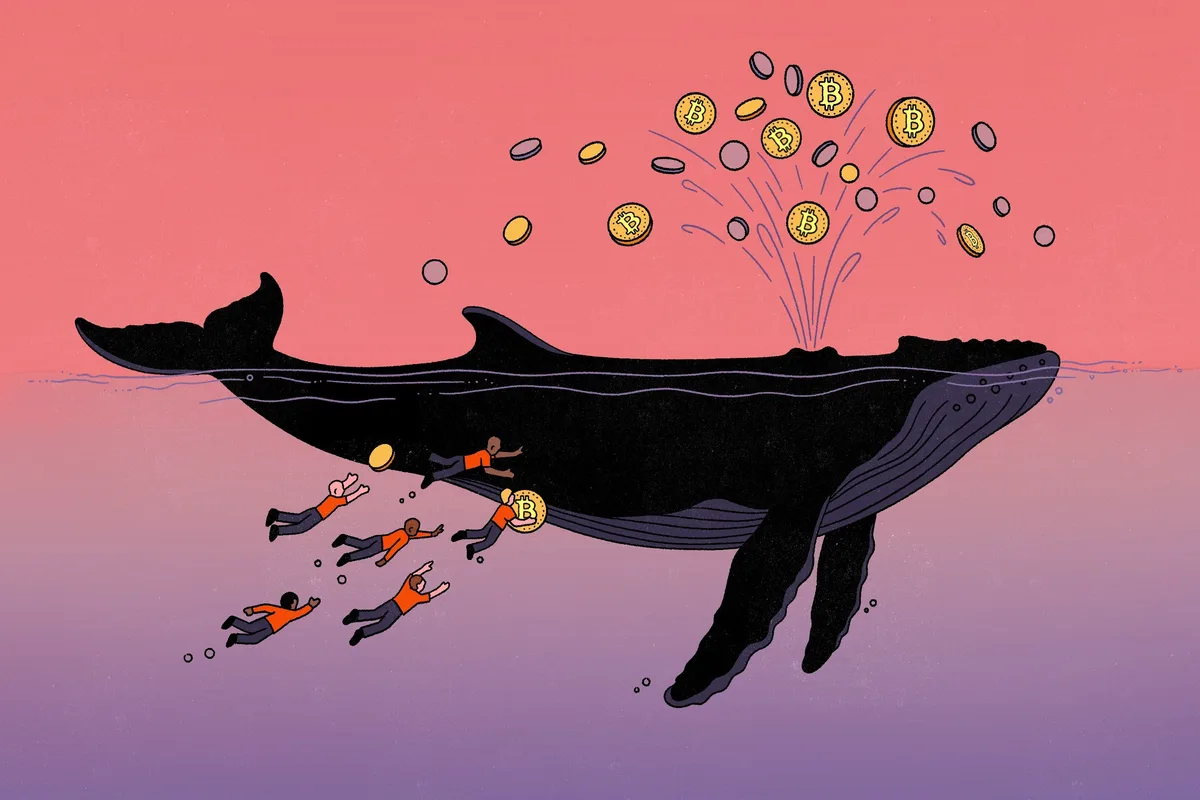
This optimistic atmosphere was no small achievement. Bitcoin had lost nearly half its value over the previous year. After the cryptocurrency was first released, back in 2009, its price had fluctuated between nothing and $1 for over two years. But in the 15 years since, the price of one Bitcoin had skyrocketed as high as $126,000, in 2025, only to fall back down to about $76,000 at the time of the conference. This fluctuation is due in part to Bitcoin having no intrinsic value: Like gold, it is worth whatever someone is willing to pay for it. Unlike gold, however, its ownership is concentrated in a relatively small group of large holders (“whales,” in Bitcoin jargon). Because these whales own so much of the world’s Bitcoin, their large buy and sell orders can drive sharp changes in the price. As a result, Bitcoin is far more volatile than gold, and tomorrow’s price is as difficult to predict as the next viral meme.
The people I met dismissed this volatility as the price of working with a tool as new and powerful as Bitcoin. One young man observed that even the way I’d characterized the change in Bitcoin’s price as a loss of value was unnecessarily pessimistic. “If you think about it,” he corrected me, “Bitcoin is half-priced compared to last year.”
There was a catastrophe that loomed over the convention, but it wasn’t Bitcoin’s newly discounted cost. It was the pain of trying to get by in this economy. That was the ill that needed remedy, the same ill that has weighed down two very different presidencies.
5News aggregated this summary from the outlet’s public feed. The full article, with all the context, is on slate.com — the content belongs to Slate.