One in five Americans call sports betting an investment. For Gen Z, it’s twice as many — and they don’t come close to breaking even
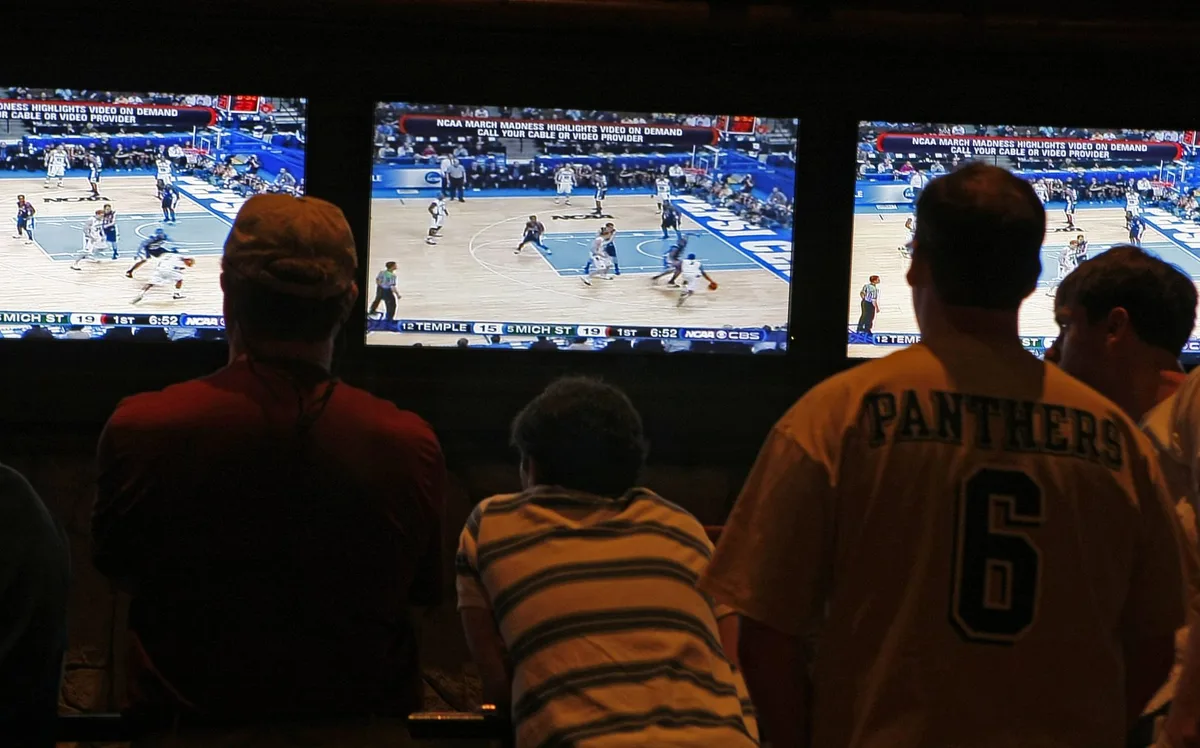
Sports betting used to be a Sunday habit, but for a growing share of Americans, and an even larger portion of Gen Z, it’s starting to look like a backup financial plan.
New research from Bank of America Institute shows that across every generation, people see prediction-market contracts as even more investment-like than sports bets.
Tracking payments flowing to and from betting platforms, the bank found that customers of all generations recovered less than 75 cents for every dollar they sent in for each month this year.
Gen Z recovered more than any other generation, with most getting back over 80 cents per dollar, but still fell well short of breaking even.
The bank found that one in five Americans view sports gambling as an investment tool, and for Gen Z, it’s two in five.
Betting has also become a habit rather than an occasional flutter: separate survey data cited in the report found nearly a quarter of sports bettors wager daily, and another third do so weekly.
Lower-income households made up the largest share of bettors by income group, at 37%, compared with 34% for middle-income and 29% for higher-income households.
First-time betting users in June and July ran more than three times January’s level, which the bank attributed to the World Cup and a wave of new prediction-market products.
Prediction-market activity jumped to 27% of all legal U.S. sports-betting volume during the World Cup, up from just 9% at the start of the year.
“More people are betting online, and adoption is being driven by younger generations,” Bank of America Institute economist Taylor Bowley told Fortune .
And for the first time ever, the findings show, it really is the younger generation driving the change: Gen Z and millennials made up 88% of all betting activity in July, and Gen Z alone accounted for nearly half of that (48%), overtaking millennials as the largest generational share for the first time this summer.
The households doing the betting also have less money to fall back on.
Median deposit balances for betting households in 2026 sat at just 59% of non-betting households.
And despite that thinner cushion, betting households posted stronger card-spending growth in July than non-betting households, in both discretionary and necessity categories.
5News aggregated this summary from the outlet’s public feed. The full article, with all the context, is on fortune.com — the content belongs to Fortune.