Airplane parts need thorough inspections, and AI can help — but only if data is up to snuff
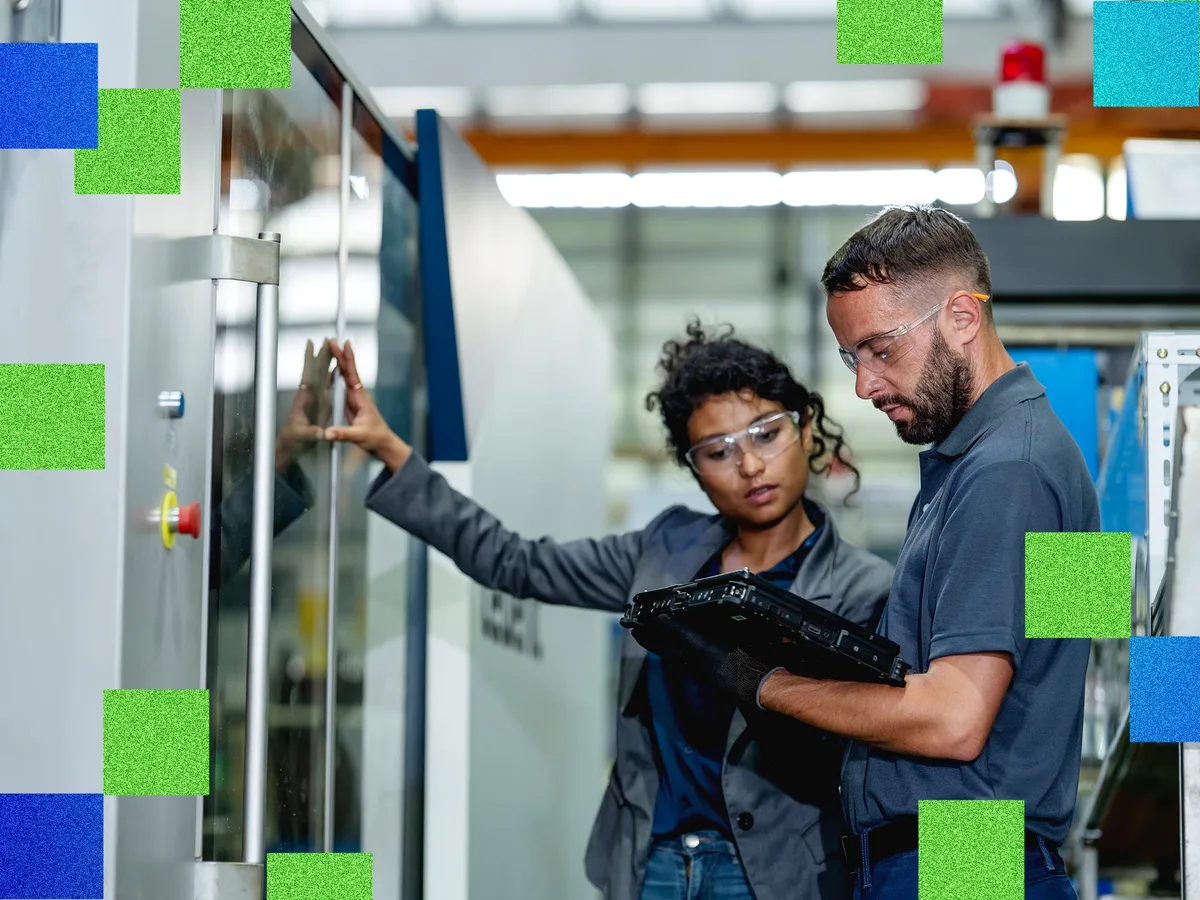
Getty Images Safran partners with Loopr AI to enhance defect detection in aviation manufacturing processes.
Loopr AI uses synthetic data to improve inspection accuracy and efficiency for Safran's parts.
Safran's new AI system reduces inspection time and costly defect recalls.
When parts inspectors at the aviation manufacturer Safran received a toilet lid that the company just manufactured, they used to spend 20 to 30 minutes examining it.
On airplanes, lavatories need to be perfect, so the inspectors search for consistent colors and smooth surfaces free of paint bubbles and scratches, among other defects.
Some inspection professionals have been performing these quality-assurance roles at Safran for more than 10 years and can detect up to 90% of the production defects in cabin galleys, passenger seats, and other parts, said Bindioa Ouali, the senior director and head of digital production, robotics, and automation at Safran.
Still, fatigue can set in after hours of inspections, causing detection rates to vary.
AI can help streamline these intensive quality assurance processes — but only if companies have enough data to train the technology, said Zheng Yao, a principal research scientist at Lehigh University's Energy Research Center, in an interview with Business Insider.
When there's not enough, they can use synthetic data , or artificial information that mimics real data points, he said.
Enter software companies like Loopr AI, Spectron, and Akridata that are creating synthetic data from computer-generated images, 3D models, and other simulation tools to address data scarcity and help prevent the costly scrapping and reworking of faulty parts.
Solving for data scarcity Safran began pilot projects two years ago with Loopr AI to see whether artificial intelligence could improve defect identification while reducing inspection and documentation time, Ouali said.
In situations like Safran's, where the company produces a wide variety of parts but not a high volume of each, "it's extremely hard to have thousands of data sets very early on," Priyansha Bagaria, Loopr's founder and CEO, told Business Insider.
In cases like this, Loopr synthetically generates data by creating new training samples from existing images, altering them to increase the number of samples from which algorithms can learn.
This allows Safran to simulate various production scenarios while still using real-world data to validate the results, said Bagaria.
5News aggregated this summary from the outlet’s public feed. The full article, with all the context, is on www.businessinsider.com — the content belongs to Business Insider.