American Girl once captured U.S. history’s complexity. Why not now?
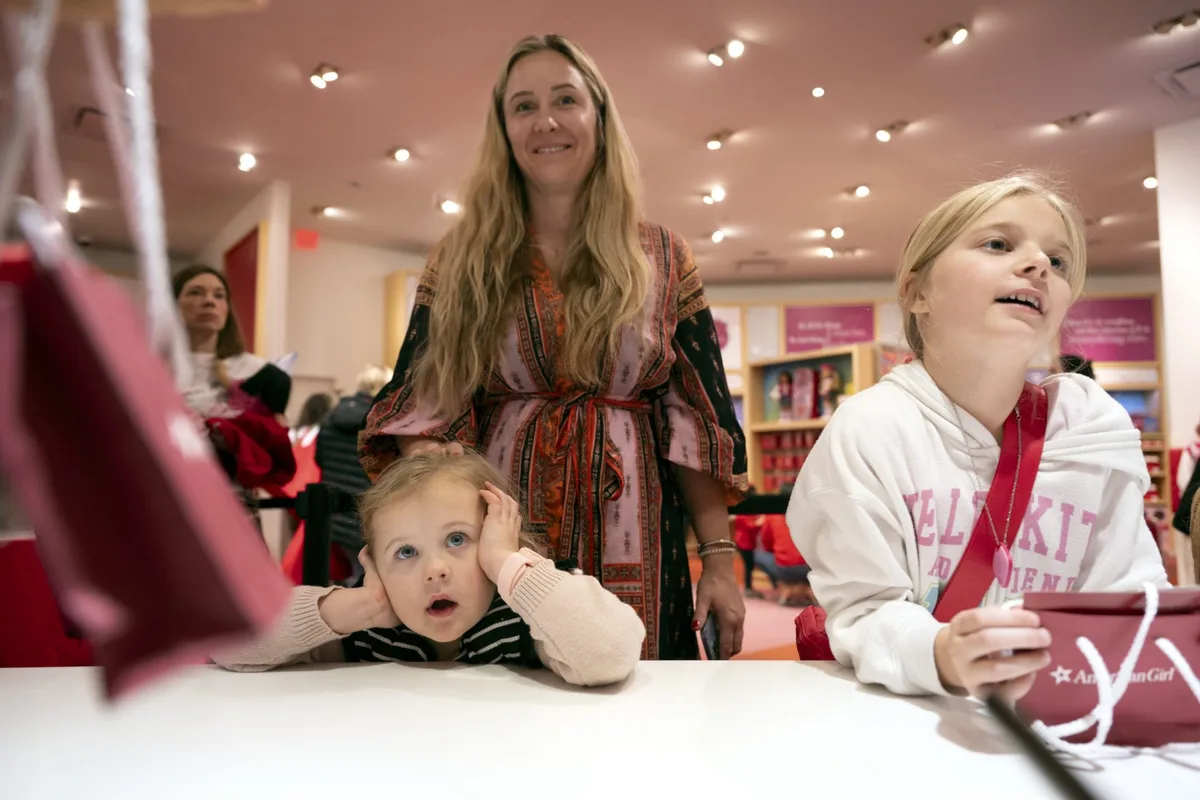
What does it mean to be an American Girl during the nation’s semiquincentennial? This year isn’t just the 250 th anniversary of America’s independence — it is also the 40 th anniversary of American Girl, a company founded to sell families an 18-inch, doll-sized narrative of American history.
Over the past decade, the Mattel-owned brand closed dozens of stores and restructured.
Observers alleged a midlife crisis: The company launched modernized historical dolls — Kirstin with space buns — alongside brand collaborations that feel very different from the nuanced characters it was founded on.
Those original characters brought a rich past to America’s girls and challenged us to make a better future.
The current focus seems more on nostalgia for the brand’s early years than on telling historical stories.
The dolls and books, which depict 9- and 10-year-olds, became part of daily life for millions of American girls.
They were friends whose lives were shockingly different from their owners’ and sometimes comfortingly the same.
As American Girl founder Pleasant Rowland introduced girls to their historical counterparts — Samantha, Molly, Kirsten, Felicity, Addy, Josephina, Kaya and Kit — the characters became companions in understanding what it means to be American.
Rowland’s girls live in an imperfect America.
Addy’s family escapes slavery, only to discover a hierarchy of color in the North.
Samantha Parkington navigates grief and the lack of child labor laws.
Kirsten struggles to learn English and wrestles with white Americans’ treatment of native people.
These girls make mistakes and learn lessons while living in unfair, unequal and unjust societies in need of change.
Rowland wanted children to learn about and from the past, but adults today appear to accept only two narratives for telling our history: the U.S. as unquestionably wonderful or foundationally failed.
5News aggregated this summary from the outlet’s public feed. The full article, with all the context, is on fortune.com — the content belongs to Fortune.