4 figures that help explain the affordability crisis behind France's protests

Protesters gather at "Monument a la Republique" during demonstrations in Paris, France.
Bloomberg/Getty Images France's cost-of-living protests descended into violence and looting over the weekend.
Hundreds of thousands demonstrated amid growing anger over the cost of living and public services.
From soaring energy prices to declining incomes, five figures help explain the unrest.
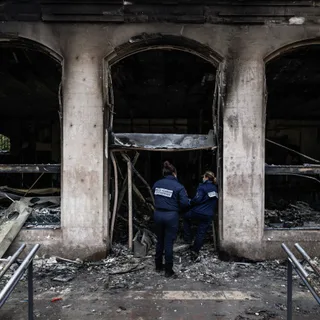
France's growing anger over the cost of living erupted into scenes of looting and violence over the weekend.
While most of the hundreds of thousands of people who demonstrated across the country did so peacefully, clashes broke out between police and some protesters, with officers firing tear gas.
The unrest began as student protests over worsening school conditions, but has since grown into a broader movement fueled by frustration over the unaffordability of life in France.
The financial pressures facing French households are familiar to Americans: surging energy prices , wages struggling to keep pace with inflation, and the difficulty of making ends meet.
Here are four numbers that help explain the financial frustrations driving the protests.
1.
The poverty rate is at a 30-year high INSEE defines monetary poverty as having a standard of living below 60% of the national median, adjusted for household size.
In 2024, that threshold was €1,337 a month for someone living alone.
France's monetary poverty rate stood at 15.4% in 2024, its highest level since annual records began in 1996, according to INSEE data published in July.
The figures are the latest available because calculating poverty rates requires detailed tax and benefits records, which take time to compile and analyze.
5News aggregated this summary from the outlet’s public feed. The full article, with all the context, is on www.businessinsider.com — the content belongs to Business Insider.