The Treasury doubled bond buybacks to bring down borrowing costs. The relief barely lasted
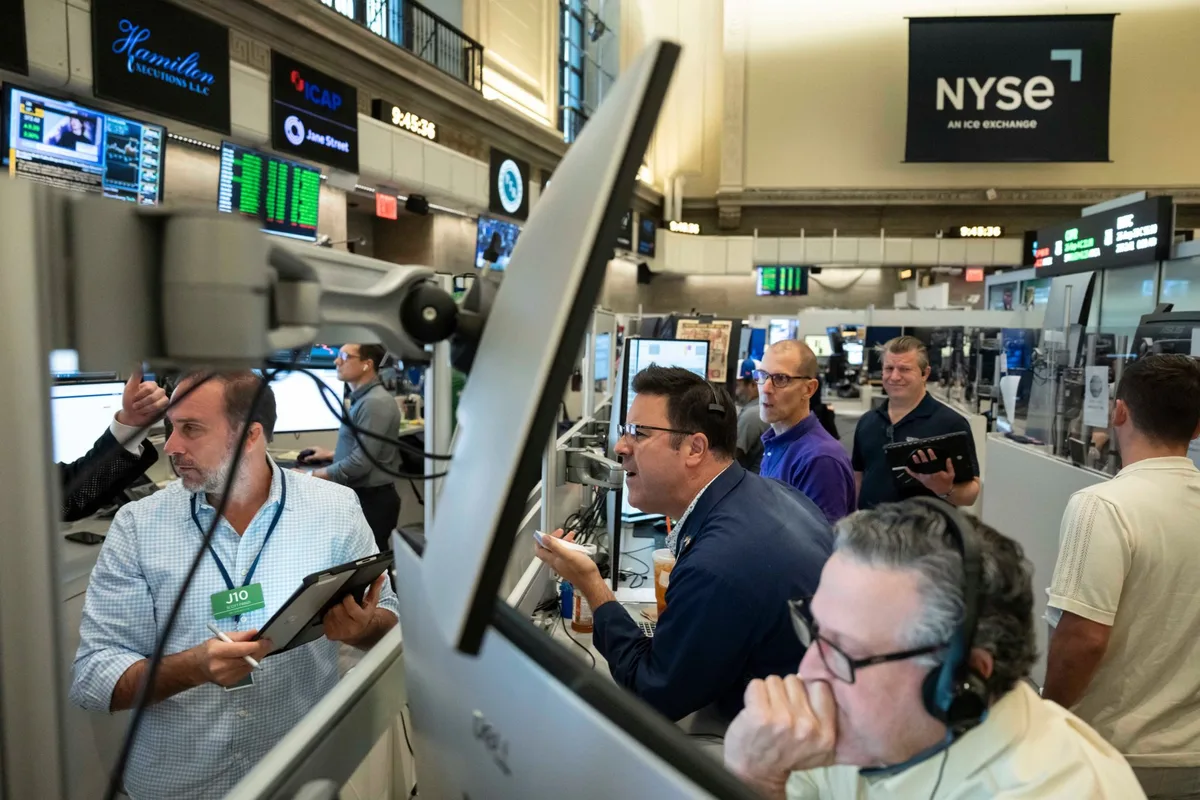
U.S. futures are lower as bond market pressure will have investors eyeing an annual meeting of top U.S. economic officials at Jackson Hole, Wyoming later in the week.
The future for the S&P 500 was down 0.2%.
On Friday, the S&P 500 rose 0.4% for just its second gain in the six days since setting its all-time high last week.
Dow Jones Industrial Average futures fell 0.1%, while Nasdaq futures slipped 0.7%.
Investors will get an important inflation update on Wednesday when the U.S. releases its report on personal consumption expenditures, or PCE, for July.
It is the Federal Reserve’s preferred measure of inflation.
Much like the consumer price index, it has shown that the rate of U.S. consumer inflation remains stubbornly above 3%.
Also on Wednesday, the Commerce Department will issue its second estimate of how the U.S. economy performed in the second quarter of 2026.
The government’s first estimate, issued last month, showed that the U.S. economy expanded at a sluggish 1.5% pace from April through June as rising imports weighed on growth.
The Fed has been struggling to get inflation back to its target rate of 2%.
Inflation has crept higher after the U.S. imposed a wide range of tariffs globally.
It has climbed further as the Iran war slowed global oil shipments from the Strait of Hormuz.
Last week, rising bond yields forced the U.S.
Treasury Department into an unusual intervention and raised the specter of higher borrowing costs weighing on consumer spending , the lifeblood of the economy .
5News aggregated this summary from the outlet’s public feed. The full article, with all the context, is on fortune.com — the content belongs to Fortune.