It Was One of the Most Surreal Moments in Oscars History. It’s Often Still Misunderstood.
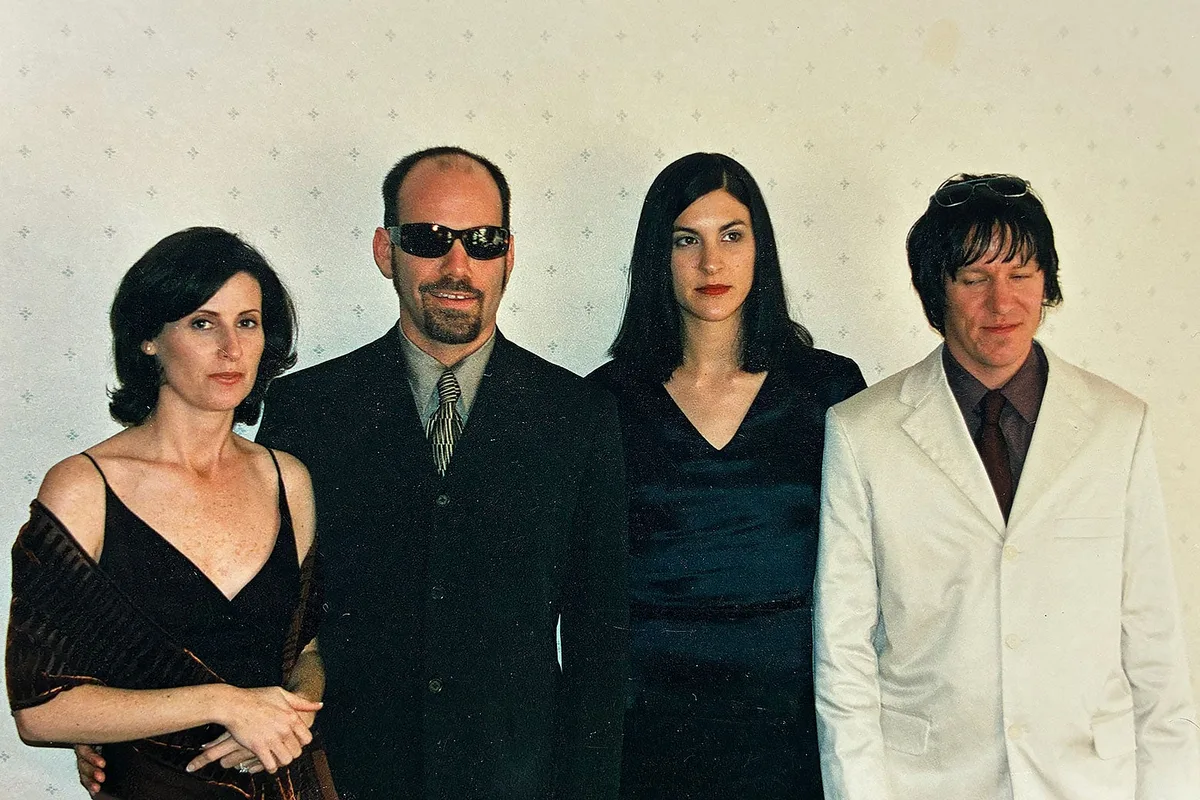
In February 1998, Elliott Smith was in Los Angeles, working on his next album, and living out of a hotel, when he was nominated for an Oscar. Later he described the early‑morning call from his manager, Margaret Mittleman, and his bleary response. He thought someone had died. “You’ve been nominated,” she said. “For what?” he asked.
Smith was 28, an indie singer-songwriter who had already developed a devoted following and, mostly by chance, wound up contributing to the soundtrack of Good Will Hunting , Matt Damon and Ben Affleck’s breakout film. (Director Gus Van Sant had fallen in love with his music after a friend mailed a few records from Portland, Oregon, which both artists called home.) Late in the process, Smith was asked to contribute an original song. What he offered was the dark, intimate “Miss Misery,” the song that would transform and define the rest of his life.
Slate receives a commission when you purchase items using the links on this page. Thank you for your support.
In interviews, Smith would dismiss the Oscar nomination as “a freakish accident”—something he went along with only because it made his friends happy, because it made his mother proud. “For all those years, she’d been faced with her friends going, ‘Well, my son’s a lawyer,’ or ‘a businessman,’ or some occupation that has a name,” he said. “Then, all of a sudden, she could say: ‘Did you see the Academy Awards?’ ” It was like a joke to him at first; when “Miss Misery” started playing on the radio, his friend Larry Crane remembers, he ran out with Smith to his rental car in the Sunset Sound lot to listen. They thought it was hilarious.
When Smith’s friend Marc Swanson called to congratulate him, Smith sounded dismissive. “I don’t mean to sound like he was unappreciative, but I think he was a little embarrassed in a certain way,” Swanson says. “Like, ‘I’m not the kind of guy who gets nominated for an Academy Award.’ But they campaign like it’s an election. I remember him telling me that it might happen because they were trying to make it happen.”
To some extent, this was true. Years before he became infamous for far more repugnant practices, Harvey Weinstein was once referred to by the New York Times as “ the Sun Tzu of Oscar warfare .” He invented the modern awards campaign in the late 1980s with his brother, Bob, and brought a special brutality to it. Marketing veteran Terry Press described the Miramax style of campaigning—with its phone banks of young assistants calling voters at home, mass‑mailed VHS screeners, and constant publicity through awards season—as “ a blood sport .” The studio had an unbroken run of Best Picture nominations, from 1992’s The Crying Game to 2002’s Chicago . Good Will Hunting was part of that run. Weinstein fought hard for nominations in every possible category, ultimately getting nine, including Smith’s. It was Weinstein who had pushed for an original song in the first place.
5News aggregated this summary from the outlet’s public feed. The full article, with all the context, is on slate.com — the content belongs to Slate.