What Aaron Sorkin Forgot About The Social Network
The Social Network was powered by alienation.
David Fincher’s incredible 2010 film, written by Aaron Sorkin, tells the story of an internet age.
It does this through the fraught relationship between two frustrated college students, hungry for popularity and connection, one of whom just happens to be Mark Zuckerberg.
It’s a haunted movie that did an outstanding job predicting the nightmares that awaited us in our lives online.
Now comes a sequel of sorts: The Social Reckoning , written and directed by Sorkin, which amounts to a long and drawn-out “Told ya so!” What’s powering The Social Reckoning is outrage—and that outrage is certainly justified.
Set from 2019 to 2021, it dramatizes a series of Wall Street Journal articles that exposed the company’s willful ignorance, and oftentimes algorithmic encouragement, of Facebook’s damages to society.
Sorkin diligently lays out the reporting by Jeff Horwitz (played by Jeremy Allen White), the investigative journalist who collaborated with the product manager turned whistleblower Frances Haugen (Mikey Madison) to reveal the company’s misdeeds; there’s no disputing the public good of their work.
But Sorkin’s enterprise has very little excitement to it and instead feels like a perfunctory coda to a point he made more poetically many years ago.
Part of the problem, undoubtedly, lies with the director.
After spending decades among Hollywood’s most reliable and colorful screenwriters, Sorkin made the leap to filmmaking in 2017 with the solid biographical thriller Molly’s Game .
He’s made three movies since, each a rendition of real-life events told with his distinctively bouncy, elliptical, rat-a-tat dialogue.
His visuals, however, have never matched the liveliness of his writing.
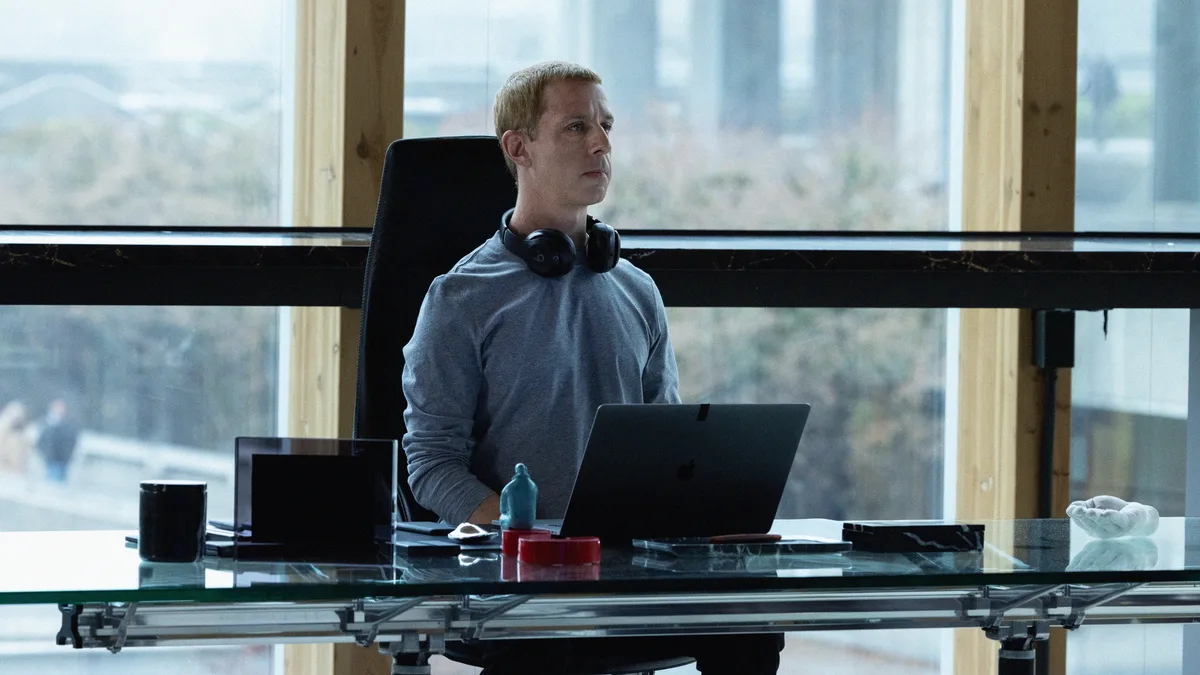
The Social Reckoning is disappointingly flat and gray, set in anodyne hotel rooms and glassy offices, and unbearably static.
In The Social Network , Fincher made the Harvard campus that Zuckerberg skulked around feel both dreamy and hostile; Sorkin has no such impression of the Silicon Valley walled city that the Facebook co-founder ended up in. [ Read: How Facebook fails 90 percent of its users ] One of the biggest diminishments between the two films, though, is the lack of any emotional turmoil at The Social Reckoning ’s center.
5News aggregated this summary from the outlet’s public feed. The full article, with all the context, is on www.theatlantic.com — the content belongs to The Atlantic.