The Iran war may kill the ‘freedom of seas’ worldwide and everyone would pay the price
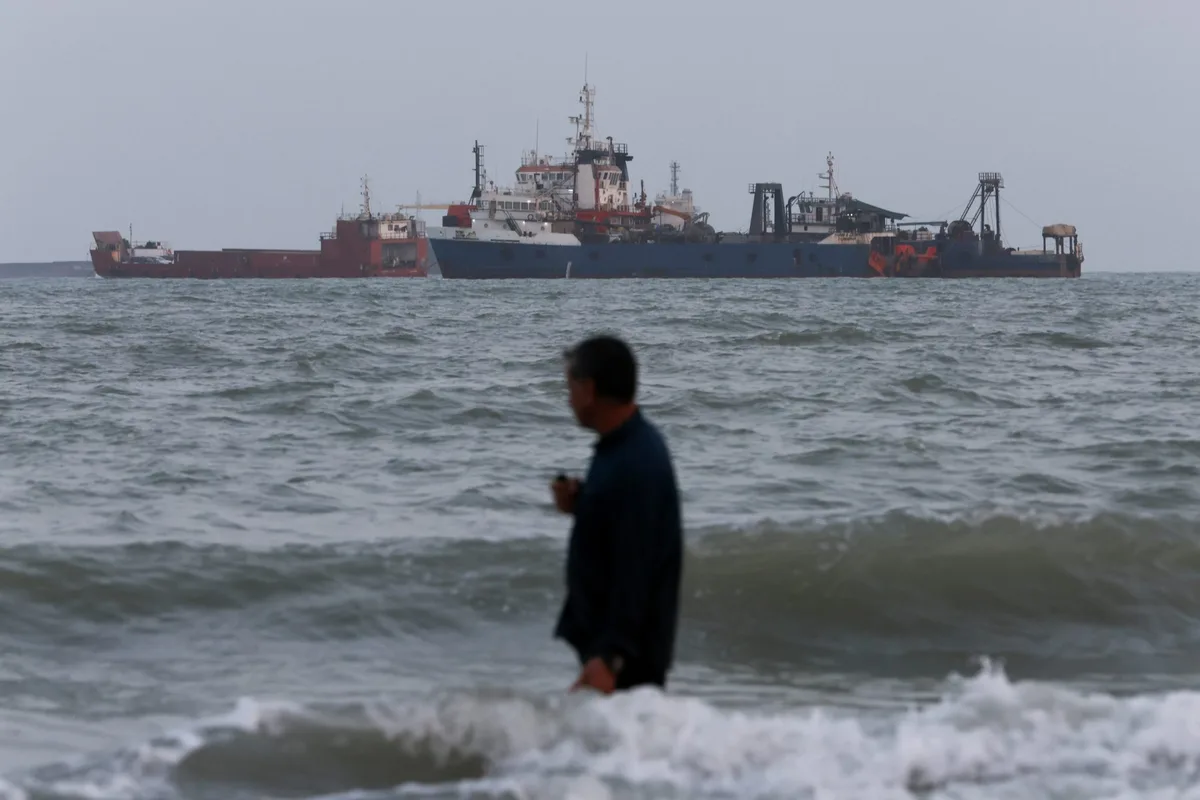
Concerns are growing that the de-facto tolling of the Strait of Hormuz could trigger a domino effect for key shipping bottlenecks worldwide, creating more global inflation and effectively killing key components of international maritime law.
As Iran insists on some form of fee structure for traversing the now-infamous strait—and the U.S. increasingly seems unable to prevent it—the rising expectation is that other nations may insist on new fees elsewhere , such as Asia’s Strait of Malacca, Europe’s and Africa’s Strait of Gibraltar, as well as key waterways impacted by Russia’s war in Ukraine.
“I think that the ‘freedom of the seas’ is dead,” said Michelle Brouhard, head of policy and geopolitical risk for the Kpler energy intelligence firm.
“The way that we’ve known maritime security is moving into a new era, and the rules are still getting rewritten,” Brouhard told Fortune .
“It’s going to look different than what we’ve seen before.
It’s going to be expensive; it’s going to be inflationary; and it’s also going to create a lot of benefits for people who start onshoring industrialization.” The so-called freedom of the seas is the centuries-old recognition that maritime transit and commerce should be free and open to all.
The “absolute freedom of navigation” was insisted in Woodrow Wilson’s famed “Fourteen Points” statement of peace to end World War I.
That legality is carried today through the U.N.
Convention on the Law of the Seas.
In that vein, “The post-World War II order is burning to the ground,” Brouhard said.
This trend was already in the works with President Trump’s return to office and the so-called ‘Donroe Doctrine’ emphasizing regionalism and control over the Western Hemisphere.
“It’s just accelerating now with the [Iran] war,” she added.
Shipping companies, insurance firms, and more would certainly oppose tolling structures—they’re already threatening to cancel coverage on vessels that pay tolls or involuntary fees—but that doesn’t mean they can prevent them, she said.
Iran is demanding a 5% or 7% service fee per barrel of oil that would generate close to $20 billion annually, and that’s not even counting fees on other cargoes, such as natural gas, petrochemicals, helium, fertilizer, and container cargoes.
5News aggregated this summary from the outlet’s public feed. The full article, with all the context, is on fortune.com — the content belongs to Fortune.