The EU AI Act gets real
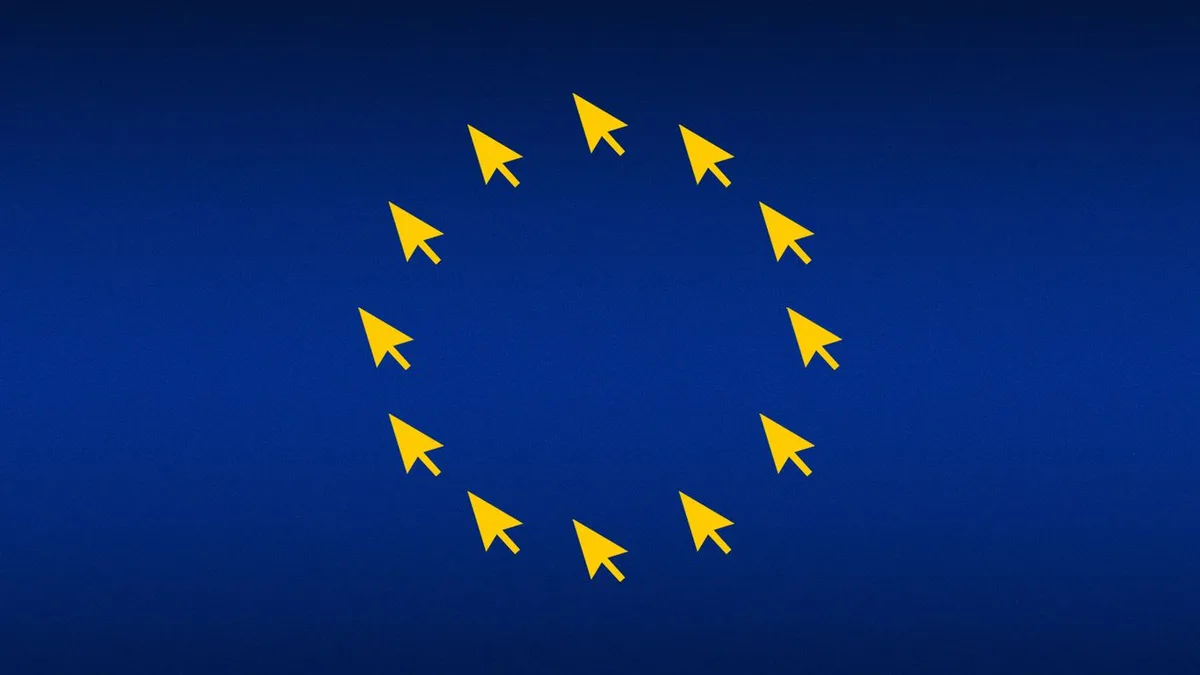
Europe's landmark AI law has moved from an idea to enforcement.
Why it matters: Brussels will soon learn whether it can turn its sweeping AI rulebook into regulation that companies can actually follow—and if it can become a global benchmark for AI standards.
Driving the news: A major enforcement deadline arrived Aug.
2 .
Most notably, new transparency and disclosure requirements are in effect for chatbots and AI-generated content.
Europe's AI Office has not gone after any companies covered under the law for misconduct yet, but it can now request information from companies or ask for access to models.
What they're saying: "This is a messy piece of legislation," Patrick Van Eecke, a partner at Cooley in Brussels who advises companies on AI Act compliance, told Axios in an interview.
He said Aug.
2 marked the point when ordinary users may start to encounter the impacts of the act through being notified they are seeing AI-generated material.
The big picture: The AI Act could become a global standard without being a copy-and-paste rulebook for companies.
Execution among companies might get messy, but wherever compliance ends up will be influential as companies decide how to operate around the world.
"We need a standard.
This technological moment is happening really quickly.
And right now, at least the EU AI Act gives us a standard," Amy Worley, managing director and data protection officer at Berkeley Research Group, told Axios.
5News aggregated this summary from the outlet’s public feed. The full article, with all the context, is on www.axios.com — the content belongs to Axios.