‘We tend to lead the way’: How Europe become a testing ground for Kraft Heinz
In 1886, a traveling salesman named Henry Heinz crossed the Atlantic with a suitcase full of tinned goods.
Upon arrival in London, he walked into Fortnum & Mason, a department store known for supplying luxury foods to the city’s wealthy, hoping it would stock his tins next to its chocolate and tea.
Fortnum & Mason agreed, introducing Heinz baked beans to Britain for the first time.
It was a glamorous debut for what would become one of Europe’s most stocked condiments.
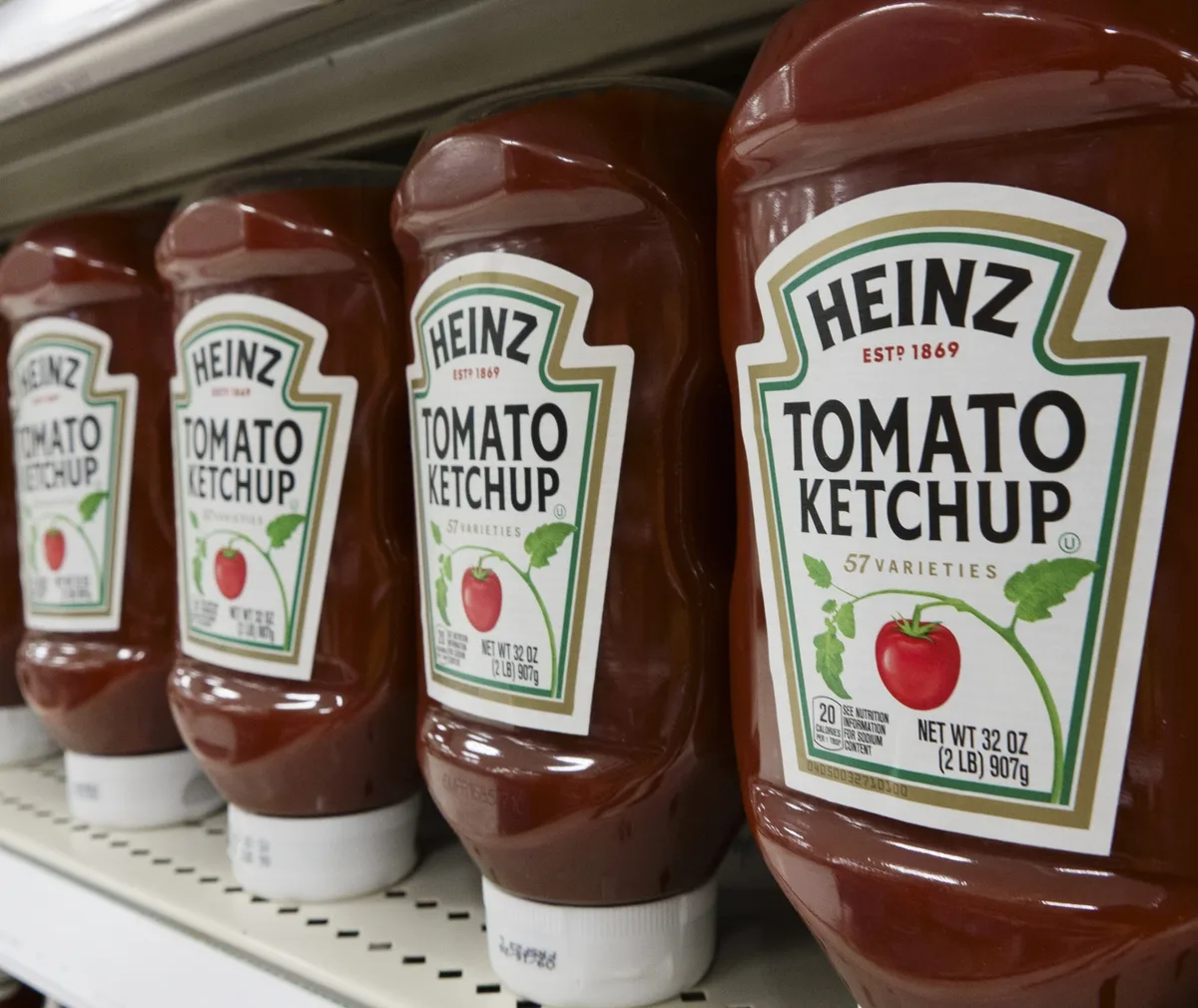
Nearly a century and a half later, Heinz controls almost half of Europe’s ketchup category sales by value, according to Karen Owen, Kraft Heinz’s chief growth officer for Europe.
Globally, the brand sells over 650 million bottles a year.
Kraft Heinz is one of the world’s largest food and beverage companies, generating approximately $25 billion in net sales in 2025.
It’s portfolio of brands includes Philadelphia, Kool-Aid, and Lunchables.
American retailers and restaurant chains have sometimes struggled to gain a foothold in Europe.
Walmart pulled out of Europe after failing to compete with local discounters, and Taco Bell faced rollout delays in the region, in part because it had to adapt to stricter food quality compared to the U.S.
Kraft Heinz has had its own difficulties in the region.
By Owen’s account, the company spent several years underinvesting in Europe, denting market share and consumer awareness.
That’s been compounded by tighter household budgets and the growth of private-label goods in Europe.
In the second quarter of 2026, net sales in Kraft Heinz’s international developed markets segment, which groups Europe with developed Pacific markets, fell 3.5%.
5News aggregated this summary from the outlet’s public feed. The full article, with all the context, is on fortune.com — the content belongs to Fortune.