Data Centers Will Eat 12% of US Electricity by 2030. This Platinum Fuel Cell Fix May Help
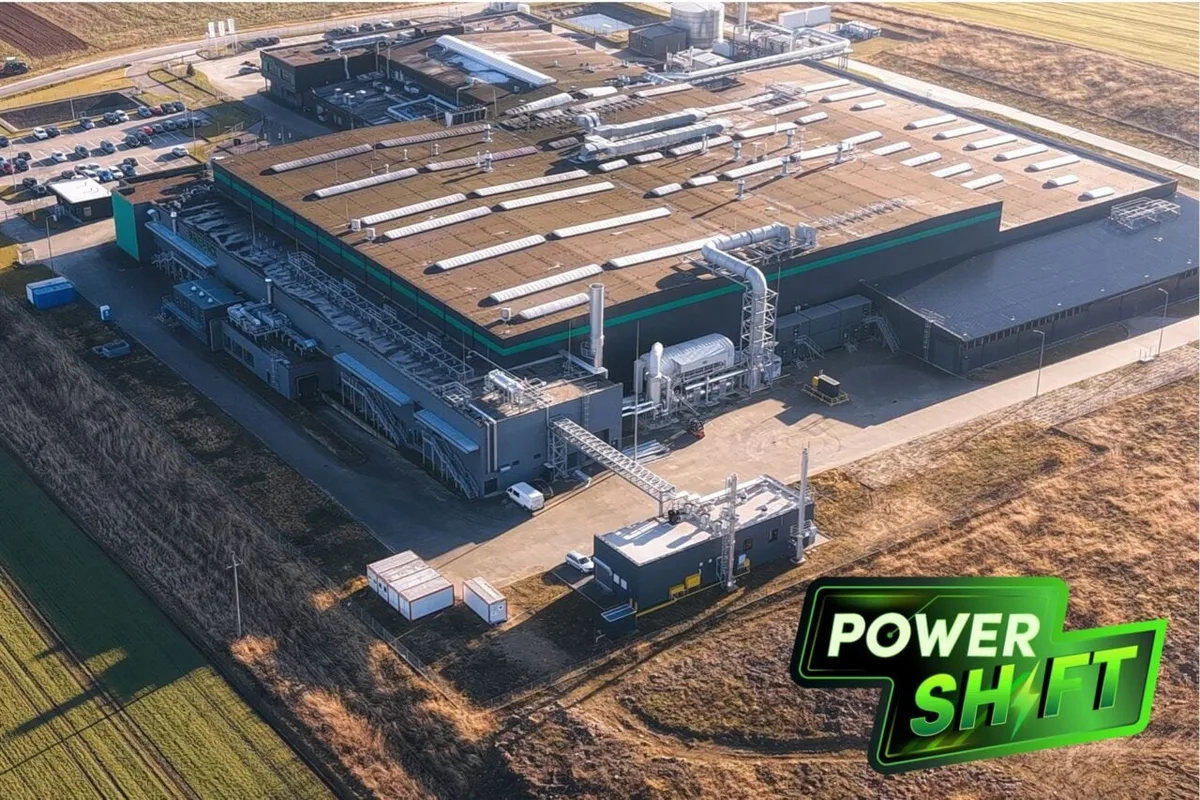
The AI boom is putting unprecedented strain on the U.S. power grid. By 2030, data centers could account for nearly 12% of the nation’s energy usage, and experts warn that their surging demand is outpacing energy supply growth, threatening grid reliability, and driving up costs for ratepayers.
To address this problem, tech companies are investigating ways to supply their own power to data centers instead of relying entirely on the grid. One option is to use on-site hydrogen fuel cells. These clean energy generators combine hydrogen and oxygen to produce electricity, using a catalyst to speed the reaction, reduce energy loss, improve overall performance, and extend the fuel cell’s operational lifespan. The problem is, existing catalysts lack the necessary activity and durability to meet data center performance targets.
In a study published August 6, researchers present a new approach designed to overcome these limitations. It could expand hydrogen fuel cell use not only for data centers but for other energy-intensive technologies as well.
Platinum is considered one of the most effective catalysts, but due to its high cost, fuel cell manufacturers want to use as little as possible without sacrificing on catalytic performance. One way to achieve this is by breaking bulk platinum down into tiny nanoparticles, which greatly increases the amount of surface area exposed to the reactant molecules.
This allows manufacturers to use very small amounts of platinum, but it comes with a tradeoff. Nanoparticles can dissolve, migrate, and grow during fuel-cell operation, gradually reducing performance.
Platinum intermetallic catalysts, which combine platinum with another metal (such as cobalt) in an ordered atomic structure, have shown promise for improving catalyst activity and stability in hydrogen fuel cells. But to maximize platinum utilization and keep the nanoparticles small and well dispersed, manufacturers must synthesize them at temperatures below 1,300 degrees Fahrenheit (700 degrees C).
This presents yet another problem. Those temperatures are often too low to drive the transition from a disordered atomic arrangement to a highly ordered one, which is critical for maximizing the activity and durability of the catalyst.
Researchers led by Gang Wu, an endowed professor of chemical engineering at Washington University, believe they have figured out a solution. They developed a carbon nanostructure that acts like scaffolding to keep large numbers of platinum-cobalt intermetallic nanoparticles densely packed yet evenly distributed.
5News aggregated this summary from the outlet’s public feed. The full article, with all the context, is on gizmodo.com — the content belongs to Gizmodo.