Uber’s CEO hints at cheaper rides after the company announced 3,300 corporate jobs
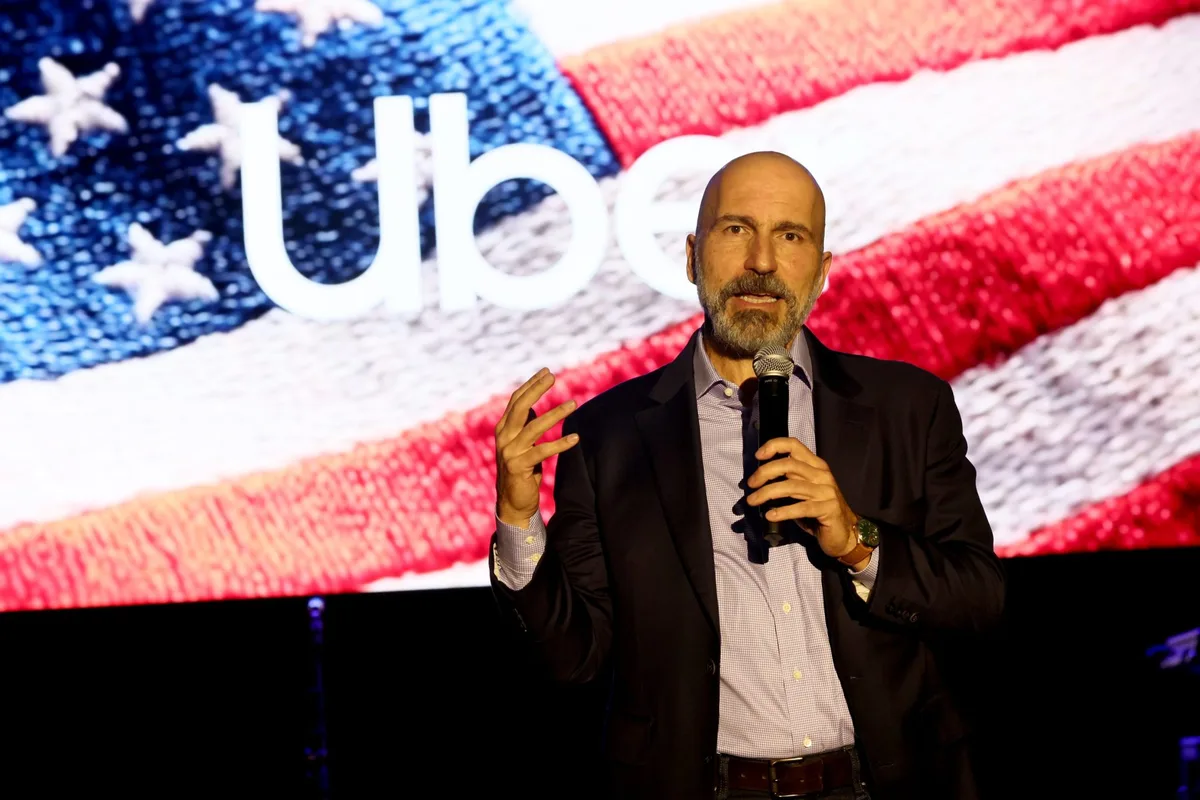
Laying off thousands of corporate workers could just be a good thing for Uber’s customers, said CEO Dara Khosrowshahi.
Earlier this month, the rideshare company said it was eliminating 10% of its workforce , or about 3,300 people, in its largest round of cuts since the pandemic.
Khosrowshahi said at the time the layoffs would allow for a flatter management structure and less complexity, especially useful at a time when autonomous taxi companies like Alphabet-owned Waymo increasingly threaten its rideshare business in some markets.
He also said the layoffs would translate into “savings that we intend to reinvest in growth, innovation, and the capabilities that will matter most over the coming years.” Late last week, Khosrowshahi revealed more details about how these savings could show up.
Speaking at the Goldman Sachs Communacopia + Technology Conference, the Uber CEO said savings from the company’s thousands of layoffs could translate into lower prices, among other improvements.
“We are going to take the savings there and essentially reinvest it back in the business, lowering prices, improving selection, and continuing to invest in our growth program,” he said.
Uber did not immediately reply to Fortune ’s request for comment.
Uber’s commercial insurance costs for years outpaced inflation—it said its U.S. mobility insurance costs increased by more than 50% per ride over the past few years through the first quarter of 2025—but Khosrowshahi said that trend has now reversed.
Uber is now reinvesting some of those insurance savings into lower prices for consumers, he said.
Those savings, coupled with a “barbell strategy” that uses excess margins from higher-end products like Uber Black to invest in lower-cost offerings, could mean cheaper rides for customers or more ways for customers to save with special offers.
One example is Uber’s Wait & Save program, which gives riders a discount if they are willing to wait longer for a pickup.
Shares of the company’s stock jumped nearly 2% after it announced layoffs earlier this month.
The company also reported a double-digit increase in year-over-year revenue and its highest jump in first-time users over the past year compared with the same period over the past five years.
Still, the company’s stock is down about 12.5% year-to-date and some analysts have flagged threats to its rideshare business including increasing competition from autonomous vehicle companies in the future.
5News aggregated this summary from the outlet’s public feed. The full article, with all the context, is on fortune.com — the content belongs to Fortune.