Mark Cuban wants companies to give their employees more stock. Could that narrow the divide between the bottom and the top?
In today’s CEO Daily: The idea of giving workers more access to the tools of wealth-building is getting traction The big leadership story: How Asian healthcare companies are grappling with a fast-aging region The markets: Global markets are inching higher ahead of Nvidia’s earnings today Plus: All the news and watercooler chat from Fortune .
Good morning.
In a week where we’ve been flooded with dubious long-shot ideas—President Trump now wants to rename Lake Ontario as Lake America amid his escalating trade war against Canada —let’s pause to consider an intriguing one.
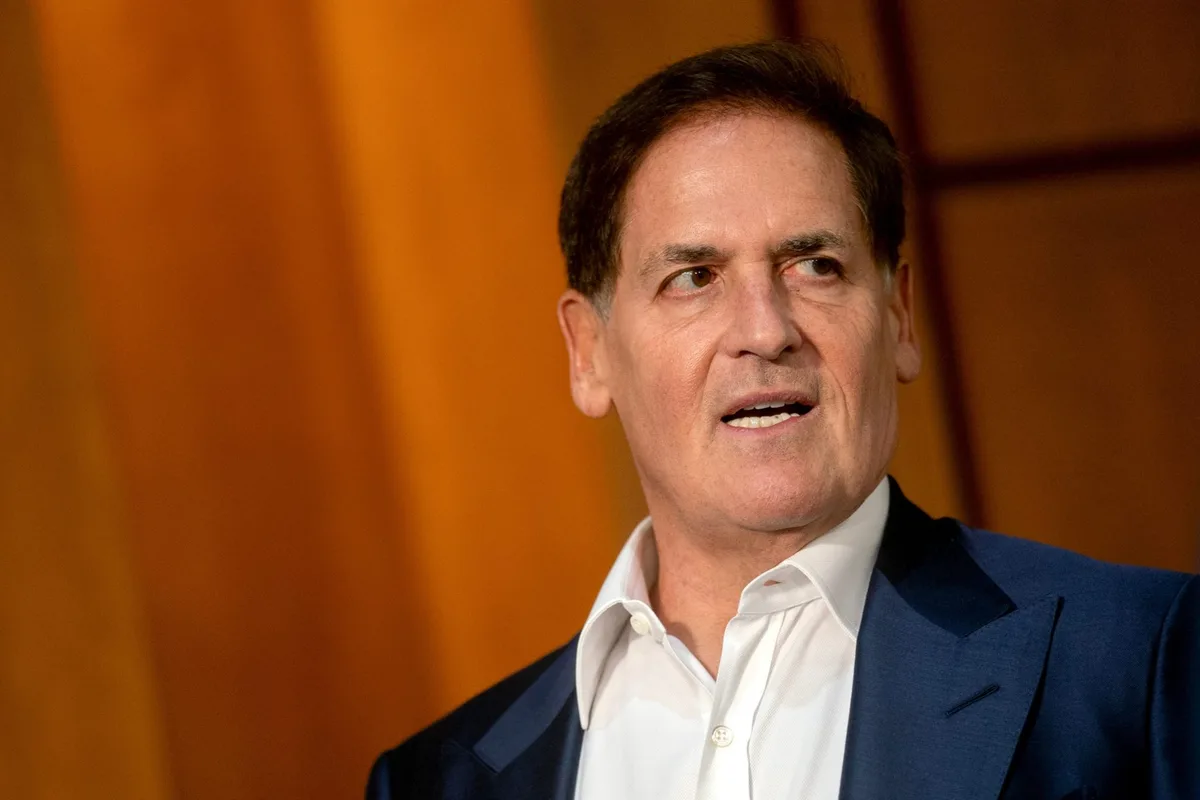
As my colleague Eleanor Pringle reported this week , entrepreneur Mark Cuban wants to address America’s growing wealth inequality by making employers choose between paying higher taxes or giving every member of staff company stock.
As the Shark Tank star wrote on X: “It’s exactly what I have done for employees in companies I have started.
Most wealthy people get that way from selling their companies or taking them public.” As a mandate, Cuban’s idea is unlikely to fly: Congress would have to pass a law to raise corporate taxes on companies that don’t grant equity to every employee.
That’s not likely in any regime, never mind one in which the president made $2.2 billion last year .
But the concept of giving workers more access to the tools of wealth-building are intriguing and getting traction in different ways: Employee Stock Ownership Plans (ESOPS) are growing in popularity for private companies, in part fueled by retiring baby boomers who want to keep their companies independent without selling to private equity.
While politicians may not agree on taxes, they all love employee ownership.
The Senate passed two bills last year to encourage ESOPS, of which there were around 6,600 ESOPS, covering around 15 million people in 2023.
The federal government first created tax incentives for companies to implement employee ownership in the 1970s when stagflation was rampant and Washington wanted to generate more retirement assets for working Americans.
Ronald Reagan loved ESOPS , as does Bernie Sanders .
While they can be expensive, complex and a headache to maintain, ESOPS boast voluntary quit rates that are roughly one-third the national average and workers retire with more than double the savings on non-ESOP counterparts.
Employee Benefits.
5News aggregated this summary from the outlet’s public feed. The full article, with all the context, is on fortune.com — the content belongs to Fortune.