Rules Designed to Create Chaos
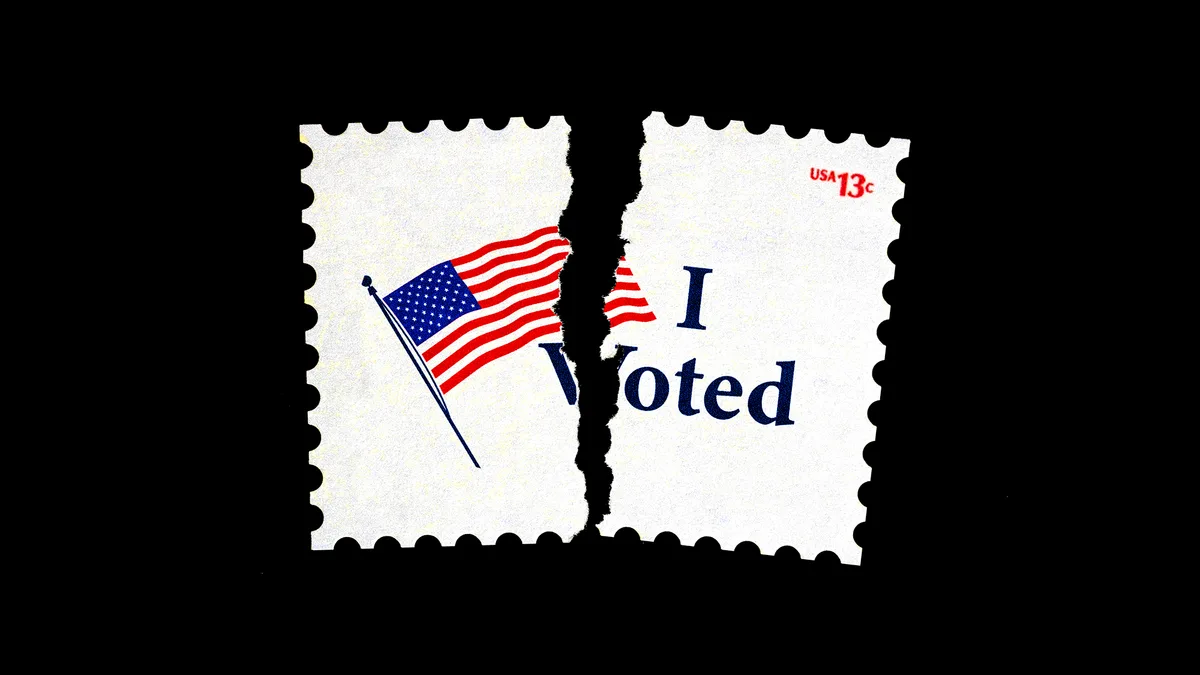
Donald Trump hates mail-in voting.
He has described it as “dangerous,” “corrupt,” “horrible,” and “a fraud.” Last year, in a Truth Social post festooned with capital letters and exclamation points, he announced that he would be signing an executive order to do away with mail-in ballots entirely.
That order never materialized, possibly because the president has absolutely no legal authority to carry out such a ban.
The federal government plays only a small role in administering elections, and the Constitution locates those authorities with Congress, not the president.
But now, with some ballots already heading to voters as the midterms draw near, the Trump administration is waging another fight against voting by mail, this time through its control over the U.S.
Postal Service.
Trump’s plan wouldn’t outright prohibit mail-in voting but would throw so many wrenches into the machinery that it could grind to a halt.
Federal courts at both the district and appellate levels have blocked the rule, and now the Supreme Court is in the process of weighing whether to allow this effort to move forward before the midterms; it could make a decision as soon as later today.
If the justices let USPS take these steps in the coming weeks, the risk, the election-law expert Rick Hasen told me, is “mass disenfranchisement.” Historically, the Postal Service has simply mailed every ballot provided by state and local election officials.
But in a March executive order, Trump directed USPS to develop a new plan that would erect a series of hoops for election workers to jump through before a ballot can be sent to an expectant voter.
If the rule goes into effect, USPS will require state and local jurisdictions to obtain federal sign-off on the design of the envelope and then mark each ballot envelope with barcodes.
States must also upload a full list of every voter receiving a mail ballot to a so-called federal ballot mail portal.
Only then, once USPS cross-checks the barcodes with the voter list in the portal, will the ballot be delivered. [ From the October 2026 issue: The election deniers’ long game ] In the abstract, this might sound inoffensive.
But the process is so hopelessly tangled that it seems almost designed to fail.
5News aggregated this summary from the outlet’s public feed. The full article, with all the context, is on www.theatlantic.com — the content belongs to The Atlantic.