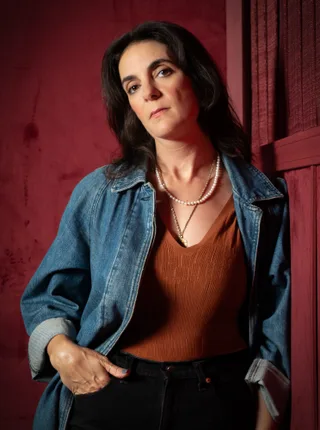
BFI Boss Ben Roberts, Picturehouse’s Clare Binns on Gen Z’s Cinema Renaissance, AI Slop and British Indie Film: “We’re Not Great at Comedy”
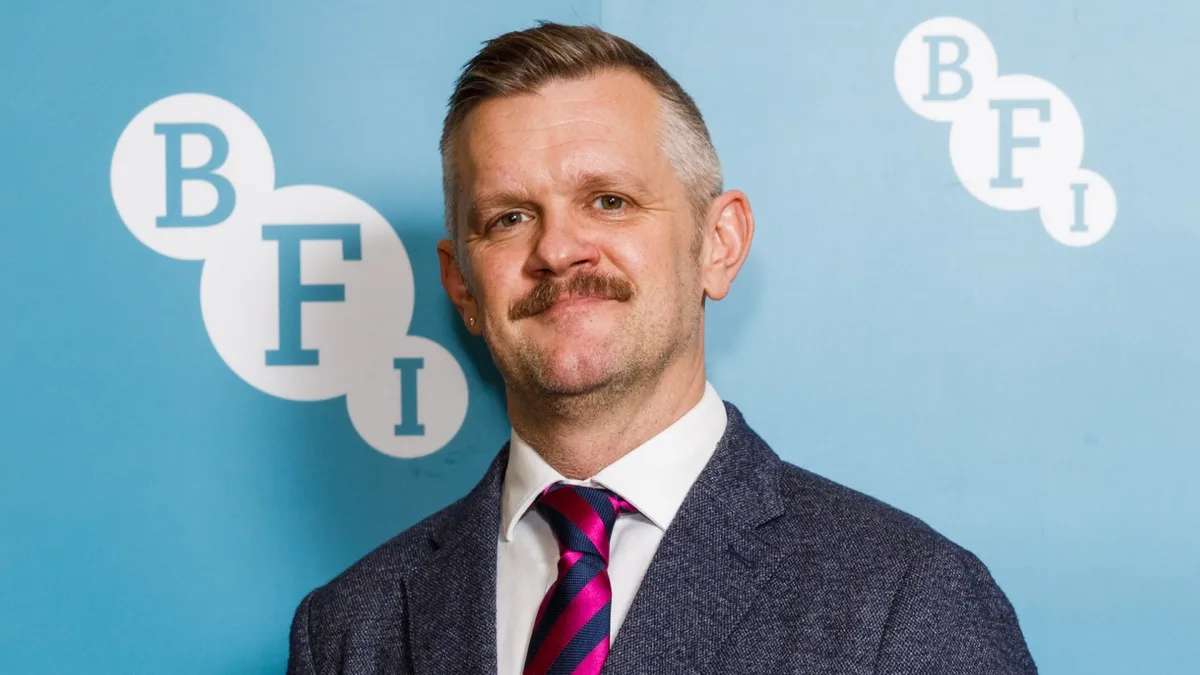
British Film Institute CEO Ben Roberts and creative director of Picturehouse Clare Binns took to Edinburgh Film Festival’s Central Hall on Saturday for a keynote discussion on the future of British independent film.
Binns was asking Roberts about how the BFI spends its money — the organization has £150 million ($203m) to disburse over three years, much of it given to the organization via government grants and National Lottery revenue — and kicked off by discussing how difficult it is to get smaller projects off the ground and to a wide audience. Related Stories Locarno Open Doors Spotlight 2026 'I Live in V.I.,' a Social Class Satire From Nigeria, Will Dive Into Urban Alienation and Gentrification Business Europe's Broadcasters Want to Get Bigger. The Hard Part Is How
“We often forget to talk about the actors that have been discovered or platformed through lottery-funded or publicly funded films and gone on to be huge stars,” Roberts began. “Tom Holland, his second film was called How I Live Now [released in 2013] with the great Kevin Macdonald and funded with lottery money, [and] that [put] him on a particular path. Olivia Colman’s first standout work that moved her from sketch comedy to dramatic feature film was Paddy Considine’s [2011 film] Tyrannosaur . So I think there are many markers of success in a film.”
The pair soon came onto genre, specifically when Roberts was explaining that there’s a “misconception that a lot of money needs to be spent in order to create something that’s got value.” He said there are things “we have to be greater [at] in the U.K. as an independent sector.” Binns probed: “Which are?”
Roberts answered: “I don’t think we’re great at comedy… Obviously, [Edinburgh is] working with really strong comedies like this year, [like the opening night film] The Incomer . I’m not saying we don’t do it, but it’s also really a skill to do it well. And we know audiences love horror, and I think we can pull our punches in horror and comedy in independent film.”
Roberts and Binns covered a range of topics over the course of an hour and a half, including the BFI’s audience development fund, Escapes, as well as cinema chains and their own pricing models, support from the U.K.’s Department of Culture, Media and Sport, and promoting the value of cinema hubs as “vital community hubs that contribute significantly to the wider high street economy.”
Roberts later conceded about the BFI’s distribution model: “It’s a really complex model running a charity that’s got all these very big, expensive elements, but a relatively flat amount of funding from the government, and we’re the one organization that can’t apply for lottery money because we give it out. We support lots of other distributors with lottery funds as well.”
Binns even asked Roberts about the new U.K. Prime Minister Andy Burnham, whose first few weeks in charge has been marked by his push to drive political power out of London and up north. “We’ve got people quite distributed [across the U.K.] since COVID,” he said. “We’re London-centric insofar as the [BFI] IMAX is London, quite a few of our staff are headquartered in London.
5News aggregated this summary from the outlet’s public feed. The full article, with all the context, is on www.hollywoodreporter.com — the content belongs to The Hollywood Reporter.